

Summary Plix (The Plant Fix): An Indian D2C brand selling 4 fruit powered sunscreens Guava Glow (hydration + glow), Jamun Matte (acne + oil control), Pineapple Depigmentation (dark spots + pigmentation) and Watermelon Moisturiser + Sunscreen (dewy hydration). All variants SPF 50 PA+++ or PA++++, vegan, cruelty free, priced at ₹350–499. The hero UV ingredient in all of the range is SunCat DE an encapsulated broad spectrum filter from BioNest, Taiwan which offers UVA+UVB protection without absorption in the skin. Best suited for normal, oily and combination skin types of Indian origin. Not ideal for very dry skin or for those looking for mineral only or fragrance free products
.India currently has hundreds of sunscreens to offer. Each of them does the same “additional “thing coat the skin heavily, terminate UV rays and bestow upon you by 12 noon, either a pallid hue or a filmy smeary look. Plix Sunscreen is endeavouring to do something different ” and it‘s best to get a clear picture of that.
Plix,.is an Indian D2C (direct to consumer) skincare and wellness brand based on a specific premise of fruit-actives plus science-backed ingredients and affordable price points; aimed at the middle class urban Indian who has graduated from the moisturiser and SPF routine and now reads ingredients
:’Strangely, the sunscreen line is the purest manifestation of it. There is a fruit hero to each sunscreen (guava, jamun, pineapple, watermelon and no, applying guava can’t be considered a fruit diet) but whereas most brands traditionally take ‘fruit extract’ as merely their marketing garnish, Plix matches each fruit with a dermatologically proven active targeting a specific skin issue. It’s no ad-hoc solution
.Here is a detailed list of every Plix Sunscreen variant, the science behind each of its active ingredients, who it is really suitable for and what competitors are failing to get right that Plix has nailed.
Table of Contents
The Plix Sunscreen Range at a Glance
The current Plix sunscreen lineup includes: Guava Glow Invisible Sunscreen, Jamun Matte Screen Sunscreen, Pineapple Depigmentation Advanced Sunscreen, Watermelon Sunstick, and a Guava Glowy Lip Tinted Balm with SPF — all priced between ₹299 and ₹499.
| Variant | SPF/PA | Key Actives | Skin Concern | Price (50g) |
|---|---|---|---|---|
| Guava Glow Invisible | SPF 50 PA+++ | SunCat DE, Ceramide 11, Vit C, HA, Pentavitin | Hydration, glow, barrier repair | ₹350 |
| Jamun Matte Screen | SPF 50 PA+++ | SunCat DE, Salicylic Acid, Zinc Oxide, Jamun | Acne, oiliness, congestion | ₹350 |
| Pineapple Depigmentation | SPF 50 PA++++ | SunCat DE, Alpha Arbutin, Aquaxyl, Niacinamide | Dark spots, pigmentation | ₹350 |
| Watermelon Tint Twist | SPF 50 PA++++ | Watermelon Extract, Lycopene, HA, Vitamin C | Light coverage, glow, hydration | ₹499 |
| Watermelon Moisturiser + SPF | SPF 50 PA++++ | Watermelon Extract, HA, Vit C | Dual moisturiser + sunscreen | ₹499 |
The star ingredient: What is SunCat DE?
Before we rush into individual Plix sunscreen variants, I should point out the one component common to the entire range of Plix sunscreen products, SunCat DE, as there‘s really nothing quite like it is.
SunCat DE by Bio-nest is a sun-screening agent, antioxidant, anti-aging and depostabilizer. It is Non irritating, refreshing and non greasy, safe on sensitive skin. It prevents photo-aging irreversible and offers a safer long-lasting comprehensive UV protection.
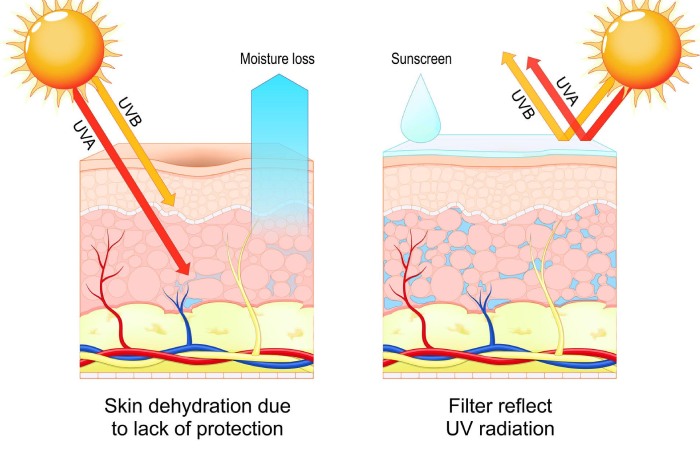
One of the technological innovation of SunCat DE is encapsulation. SunCat DE offers an ultra wide spectrum UVA+UVB protection through a proprietary encapsulation technology which acts so that chemical ingredients are not absorbed into the skin. It is non-irritant and can be used even on sensitive skin types to sit on skin as a thin water repellant films of protection giving safer, more comfortable and longer lasting broad spectrum UV protection.
What is the impact of this? One of the most often cited issues of chemical sunscreen filters – such as the Ethylhexyl Methoxycinnamate and Benzophenone-3 in Plix products – is that they can be absorbed through the skin into the bloodstream. The 2020 FDA study, published in JAMA Dermatology, indicated that the 6 tested chemical UV filters were in fact absorbed into the bloodstream at levels higher than the FDA cutoff for possibly waiving further safety testing of the sunscreen.
SunCat DE‘s encapsulation technology is created to tackle this. The UV filter does not penetrate into the skin but rather is kept at the surface of the skin, leading to a comfortable experience for the user when applying SunCat. This is achieved through the encapsulation of the UV filters in a micro-particle shell, ensuring they remain at the surface of the skin to absorb the UV radiation without invading the skin barrier.
This is really an effective formulation choice for a sunscreen in this price range. It‘s correcting a real safety issue and at the same time improving the textural experience, since encapsulated filters aren‘t as sticky and greasy as normal dispersed chemical filters.
Plix Guava Glow Invisible Sunscreen Reviewed
Who It’s For
All skin types -_normal, dry/combo and dull_for use every day as a sunscreen that adds moisture and brightness.
Key Ingredients Broken Down
Important ingredients to choose are Ceramide 11, SunCat DE, Vitamin C, Guava Extract, Hyaluronic Acid and Saccharide Isomerate (Pentavitin).
Ceramide 11: Ceramides form around 50% of the skin barrier‘s lipids. Ceramide 11 helps strengthen the stratum corneum, the outermost layer of skin, reducing TEWL, and preventing the dry, sensitive skin caused by chronic UV exposure over time. For Indian skin, which suffers from both UV damage and dehydration caused by the low humidity of air conditioning and pollution, this is a useful innovation.
Saccharide Isomerate (Pentavitin): A multi-surface hydrating mixture that provides long lasting moisturisation. Pentavitin is a carbohydrate complex from wheat that adheres strongly to skin proteins and forms a reservoir of hydration that is over double the longevity of glycerin or standard HA alone some research indicates up to 72 hours moisturizing action.
Guava Extract: works to speed skin cell renewal and brighten skin tones as it provides a boost of collagen via Vitamin C as well as keeps the skin moisturizing while exfoliating, detoxing and protecting from free radical damage with guava extract. Guava is naturally rich with Vitamin C (higher per gram than citrus fruits), lycopene and polyphenols, making it a have-to-have functional ingredient in your brightening sunscreen and not just smelling nice.
Vitamin C (0.2%): Provides antioxidant neutralisation of free radicals produced by UV light at 0.2%. It has little overall brightening effects on its own at 0.2%, however combined with daily UV protection, it has a cumulative brightening effect.
Texture and Performance
It is light and doesn‘t make your face look white, and it‘s also gel based (ideal for oily skin). No smell either which confirms the Squalane‘s high quality, and no residue left behind.
That holds true for real user experiences found on various Indian sites, where Guava Glow is ubiquitously lauded for its “feels like water” application, zero whitecast on Indian skin tones, and that it doesn‘t peel off with sweat, unlike most high-SPF sunscreens. This is a big deal in a country where the intense midday sun and humidity can send most sunscreens packing from the face in a matter of hours.
Honest Limitations
The PA+++ (not PA++++) is one level below the most ultimate protection options in the range for UVA protection. For most of your general indoor-outdoor activities, PA+++ will work fine. But when you find yourself outdoors for much of a mid-day period (>10am–4pm) then the Pineapple or Watermelon options are better options with PA++++ protection.
Plix Jamun Matte Screen Sunscreen Reviewed
Who It’s For
Oily, acne prone and congested skin types. It could be said that The Jamun has been the most carefully formulated product in the range to deal with this problem.
Key Ingredients Broken Down
Active ingredients are Salicylic Acid, Zinc Oxide, SunCat DE and Jamun Extract.
Salicylic Acid (0.1%): A Beta Hydroxy Acid (or BHA) that is oil-soluble, meaning it is absorbed into the pore lining instead of sitting on the surface and exfoliating. Salicylic Acid, an extract of Willow Bark, breaks down the bonds between dead cells on the surface, exfoliating from the inside out. It also has anti-inflammatory properties and will improve existing breakouts while slowing down oil production. This concentration is mild yet effective.
Zinc Oxide: Zinc Oxide in Jamun Mattifying Sunscreen is an antibacterial and anti-inflammatory which reflects and scatters UV rays away from your skin. Its particles create a barrier which help reflect away UV rays from reaching your skin. Simultaneously, Zinc Oxide acts as an anti-inflammatory helps reduce redness and irritation from active breakouts.
Jamun (Indian Blackberry / Syzygium Cumini) Extract: Jamun extract is packed with anthocyanins and tannins- these are elements that inhibit sebaceous secretion (Greta, 1978), constricts pore size and help to establish a slightly antibacterial film on the skins surface. Jamun is well established within Indian traditional medicine and is one of very few herbs providing credible published evidence for anti-bacterial and inflammatory activity within the context of skincare.
What Makes This Stand Out
In addition to the majority of “non-comedogenic” sunscreens that make almost passive contended not to clog pores, the Jamun goes a step further it uses active acne fighting ingredients (not just preservatives and emulsifiers) such as Salicylic Acid and Jamun Extract as functional ingredients in the formula. If it‘s working as a targeted treatment for congested skin and providing broad spectrum PA+++ protection, it‘s a win-win!
The Salicylic Acid + Jamun tannins + Niacinamide combination is really a well-designed formula for congested skin it has not just been slapped together, like most re-branded sun protection products.
Honest Limitations
It is also good to note that the Benzophenone-3 (oxybenzone) in the base formula is worth a mention. Though incorporated as part of the SunCat DE complex (and therefore encapsulated, and unlikely to be absorbed through the skin), those with known Benzophenone-3 sensitivity should patch test carefully. Also: the 0.1% Salicylic Acid may not substitute a dedicated BHA serum for heavy acne sufferers but it will at least prevent aggravation of congestion during daytime application.
Plix Pineapple Depigmentation Advanced Sunscreen Reviewed
Who It’s For
Skin with dark spots, tan, post inflammatory hyperpigmentation (PIH), melasma or uneven tone the most targeted anti-pigmentation type.
Key Ingredients Broken Down
Alpha Arbutin: A stable form of hydroquinone that inhibits tyrosinase (a chemically-based process that slows melanin production). Unlike kojic acid, Alpha Arbutin is a slow release so it works steadily through the course of the day and unlike some of the higher strength brightening actives, Alpha Arbutin is suitable for most skin types without the risk of irritation. It is the most directed target of dark patches and uneven pigmentation of the ingredients in this formula.
Aquaxyl a proprietary humectant complex that controls skin‘s hydration level on different strata. Unlike glycerin or HA which merely provides surface moisture, Aquaxyl intervenes at all points in the hydration pathway – quenching surface hydration, restoring barrier function and down-regulating water loss under UV stress. For pigmented yet dehydrated skin, this is a more intelligent hydration option.
Niacinamide: Niacinamide‘s effects on sebum-regulation and anti-inflammation are especially pertinent to acne-prone skin. It works to suppress the excessive secretion of sebum associated with enlarged, plugged pores, as well as an anti-inflammatory effect that helps to soothe the redness of active lesions. At the surface level, Niacinamide in the Pineapple formulation intervenes directly at the melanosome transfer step to prevent the mechanisms of pigmentation visible at the skin surface.
Pineapple (Bromelain) Extract: Bromelain is a proteolytic enzyme which works by gently exfoliating the surface of the skin to help with cell renewal and effectively assist the disappearance of dark spots by natural cell shedding.
Performance Reality
The Pineapple variant has PA++++. This is the highest UVA protection category, and hence most relevant to pigmentation concerns. It is UVA and not UVB rays that cause the stimulation of melanin, tanning as well as post-inflammatory hyperpigmentation. Applying a SPF with less UVA protection while expecting the sunscreen to work on pigmentation would be a contradiction and the Pineapple version gets this right.
Plix Watermelon Sunscreens — Reviewed
The Watermelon range currently includes two products: the Tint Twist Colour-Adapting Sunscreen and the Moisturiser + Sunscreen (2-in-1). Both share a watermelon and lycopene base but serve different use cases.
Lycopene: Lycopene is a potent antioxidant in the carotenoid family that provides photoprotective antioxidant activity, complementing chemical UV filters. Together with watermelon extract, it makes the watermelon base genuinely functional in a sunscreen context, not just cosmetically pleasant.
The Tint Twist is designed for a colour-adapting effect — it adjusts slightly to the skin tone on application, providing sheer coverage alongside UV protection. It suits those who want a “no makeup makeup” finish for daily use without committing to a full tinted sunscreen or BB cream.
The Watermelon Moisturiser + Sunscreen is the most straightforward 2-in-1 in the range — a daily driver for those who want to combine their moisturising and SPF step, particularly useful in the morning when routine time is limited.
Who Should Use Which Plix Sunscreen?
| Skin Type / Concern | Best Plix Variant |
|---|---|
| Normal to dry, wants hydration + glow | Guava Glow Invisible Sunscreen |
| Oily, acne-prone, congested pores | Jamun Matte Screen |
| Dark spots, tan, pigmentation, melasma | Pineapple Depigmentation |
| Wants light coverage + natural finish | Watermelon Tint Twist |
| Wants to skip a separate moisturiser step | Watermelon Moisturiser + SPF |
| Sun-sensitive or post-procedure skin | Consult a dermatologist; mineral-only may be preferred |
Who Should Approach Plix Sunscreens with Caution
Plix sunscreens are vegan, cruelty free, PETA-approved and dermatologist tested. However, they aren‘t for everyone:
Unfortunately for its claims, theproduct is relatively light feeling, gel- textured products as opposed to cream textures tend to make the skin feel more comfortable on the surface in the long term, as they evaporate over a period of time, leaving the moisture that has already been absorbed into the skin. Extremely dry or dehydrated skin types will still be best off occluding underneath, and maybe reapplying over the top in very dry climates.
Fragrance sensitive skin: There is a hint of fruity fragrance with the guava and pineapple versions. Though not of synthetic fragrance, those with contact sensitivity should patch test on their inner arm before use on the face.
Benzophenone-3 allergy: BP-3, a constituent of SunCat DE in all Plix sunscreen formulas. Although encapsulation prevents the need for direct skin contact, individuals with established Benzophenone-3 sensitivity should steer clear of these formulations and opt for newer filters such as Tinosorb or Uvinul.
Mineral-only preferences (post procedure/rosacea/reactive skin): Plix is a line of chemical filter sunscreens. If you ordered mineral only, ie zinc oxides or titanium dioxide only, this range is not suitable for that purpose.
Children aged 0-2: Chemical filter sunscreens should not be used on infants or children below the age of 2. When required for children under 2, mineral choices should be used.
Common Mistakes People Make With Plix Sunscreens
1. Inadequate application of the product. The general rule is two finger lengths (about ¼ teaspoon) for face and neck combined. Most people apply less than half that amount and this can halve or even quarter the SPF value delivered to the skin a serious mistake in any sunscreen intended for daily UV protection.
2. Omitting reapplication. Even a sunscreen with SPF 50 or more cannot last you full days of sunshine without a reapplication. Reapply SPF 50 (or any other SPF) every 3-4 hours if you are in the sun (why are you even not using a higher SPF if you are in the sun so often?) after sweating or water contact.
3. Attempting to use Jamun as an alternative to acne treatment. The Jamun Sunscreen applies 0.1% Salicylic Acid which is a prophylactic and supportive, rather than an active ingredient. In the case of active, moderate or severe acne keep using an effective BHA serum or prescribed treatment in addition to the sunscreen – it is not an alternative.
4. Use once moisturiser has been fully absorbed. Use last thing before leaving the house; use after serum and moisturiser have had time to settle in fully (wait 2-3 mins). If you put sunscreen over products before they‘ve had a chance to settle it can water it down and affect how good it is.
5. PA+++ will perform identically to PA++++ outdoors. The gap between PA+++ and PA++++ is quite pronounced in the Indian UV environment. So between 10am 4pm, when you‘re outdoors for long, go for PA++++, if you live in Mumbai, Chennai, Hyderabad or Delhi. If you‘re outdoors for long periods, then choose from the Pineapple & Watermelon.
Myths vs Facts About Plix Sunscreen
Myth: Sun care companies that use fruit extracts as actives are just using pure marketing … they do nothing tangible for the consumer or me. Fact: The PlixKIDS chosen fruits are not selected at will. The bromelain enzymes found in Guava, the tannins and anthocyanins in jamun, pineapple bromelain and lycopene in watermelon have demonstrated benefits for the skin. They are not responsible for SPF … SunCat DE is that … but they are contributing truly tangible complementary benefits to the formulation.
Myth:PA+++ and PA++++ mean essentially the same protection. Reality: The PA ratings were designed in a logarithmic scale. PA++++ means a Persistent Pigment Darkening (PPD) factor of 16 or above; 8–15 for PA+++. In terms of Indian skin nature, where UVA induced tan and pigmentation are primary concern, this difference makes an impact over the long term.
Myth: Chemical sunscreens are unsafe as they get in the bloodstream. Fact: Currently all dermatological organisations internationally hold the view that for most adult consumers’ the risk of UV damage due to not wearing the sunscreen far exceeds the risks associated with UV filter penetration. The encapsulation technology used in SunCat DE significantly alleviates this penetration risk in the Plix formulas.
Myth: Sunscreen is not necessary if pigmentation is dark. Reality: While darker skin has higher levels of melanin, which offers a degree of natural protection from the sun‘s ultraviolet rays, Indian skin is still prone to UVA-driven pigmentation, uneven pigmentation, photoaging and tanning. These are the main UV-induced problems found at Indian dermatology clinics, rather than sunburn.
How Plix Sunscreen Compares to Indian Competitors
| Feature | Plix Guava Glow | Deconstruct SPF 50 | Dot & Key SPF 50 | Minimalist SPF 50 |
|---|---|---|---|---|
| UV Filter Type | SunCat DE (encapsulated) | 4 new-gen photostable | Mixed | Mixed |
| PA Rating | PA+++ | PA++++ | PA++++ | PA++++ |
| Fruit Active | Yes (Guava) | No | No | No |
| Active Ingredient Variants | Yes (4 variants) | No | Limited | No |
| Acne-specific formula | Yes (Jamun) | No | No | No |
| Pigmentation-specific | Yes (Pineapple) | No | Limited | Yes (some) |
| Vegan + PETA certified | Yes | Yes | Yes | Yes |
| White Cast | None | None | Minimal | Minimal |
| Price (50g) | ₹350 | ₹492 | ₹595 | ₹429 |
Plix’s strongest competitive advantage is variant specificity — the ability to choose a sunscreen built around your exact skin concern rather than a generic all-skin-types formula.
How to Apply Plix Sunscreen Correctly (Morning Routine)
- Cleanse your face thoroughly
- Apply toner (if using)
- Apply serum Vitamin C, Niacinamide or any active serum
- Allow the serum to absorb for 2–3 minutes
- Apply moisturiser (if necessary the Guava Glow by itself may be hydrating enough for a humid Indian summer!)
- Use and spread of a 2 finger lengths of Plix Sunscreen on your face & neck.
- Pat soothing do not rub vigorously as this can disrupt the protective film
- Wait for 15 minutes before going outside
- Apply again every 3–4 hours when outdoors
Specifically for the Jamun Matte formulation: as you can see it recommends that you use both the Jamun @ 2% Salicylic Acid serum. So if you are, use the serum at night rather than two applications of the Jamun in the morning and over-exfoliating.
FAQs
Q. Which is the best Plix Sunscreen for oily skin in India?A. The Jamun Matte Screen is the best option for oily and acne-prone skin it has Salicylic Acid, Zinc Oxide and Jamun extract that together manage sebum levels, prevent congestion and soothe inflammed skin. The Guava Glow is best for non-acne prone oily skin with a light textured, non-matte formula.
Q: Is there a white cast? A: No. This gel formula dries down quickly, is non sticky and has no white cast, and works on Indian skin tones suitable for all skin tones. The reviews from verified purchasers on Nykaa, Amazon and Flipkart all say the same.
Q: Can Plix Sunscreen be used on sensitive skin?A: SunCat DE is said to be non-irritating and suitable for sensitive skin as the encapsulation prevents direct skin contact of chemical UV filters. Benzophenone-3 however is known to be sensitising to some people so try patch testing on your lower inner arm for 24–48 hours prior to use on face.
Q: Can I use Plix Sunscreen instead of a seperate Moisturiser? A: For the warm, muggy Indian Summers, Guava Glow‘s Ceramide, HA and Pentavitin mix it up might be enough to forego a separate moisturiser for normal/oily skin types. Along with the winter or for those with dry skin you‘ll still need a lightweight moisturiser underneath.
Q: What is SunCat DE and why is it used by Plix? A: SunCat DE was developed by BioNest, Taiwan as an encapsulated UV filter system which delivers UVA+UVB broad spectrum protection through a technology that prevents the chemical UV filters from being absorbed by skin; this makes the product non-irritating, non-sensitising and suitable for sensitive skin types. The Plix range is formulated to take advantage of the protection profile of SunCat DE, but with a lighter, not so sticky feel compared to traditional dispersed chemical UV filters.
Q: Is Plix Sunscreen crueltyfree and vegan? A: All Plix sunscreen products are vegan, crueltyfree and PETA approved.
Q: How often should I re-apply Plix Sunscreen? A: When outdoors every 3–4 hours, when sweating or swimming. For exclusive indoor-use sunlight outside through the window should generally not necessitate re-application during your daytime with the only exception being an initial application that morning.
Final Conclusion
Most Indian sunscreens in the 300 500 Rs. Range have a simple key trade-off: shallow UV protection, a tolerably sticky and greasy consistency and sufficient moisturisation to make it not a chore to use. Plix Sunscreen trades in another commodity it challenges you to consider what else this sunscreen can do once it is on your face for eight hours a day.
The Jamun Matte Screen harnesses Salicylic Acid and Jamun extract to combat any clogging, while shielding you from the sun in the case of oily and acne-prone skin. For pigmentation and darkspots (arguably the most common skinproblem seen in Indian dermatology clinics), the Pineapple formulation combines Alpha Arbutin with PA++++ UVA protection. For a fuss free approach where all you want is hydration and glow, the Guava Glow offers barrier support in a super-light gel with ceramide encapsulation.
All around coverage with the SunCatDE encapsulation technology truly addresses a genuine concern of chemical UV filter absorption and the fruit-active winner package is truly workable not just a cosmetic branding.
Plix sunblock at Rs 350 for 50g is easily one of the most nutritionally minded range of sun care products available here. Pick the variant that‘s most needful to your skin, stick to it, use it every day and reapply when outside, and after four or six weeks your skin will have told you everything the package failed to mention.