

Last Updated: October 20, 2026
Table of Contents
Introduction
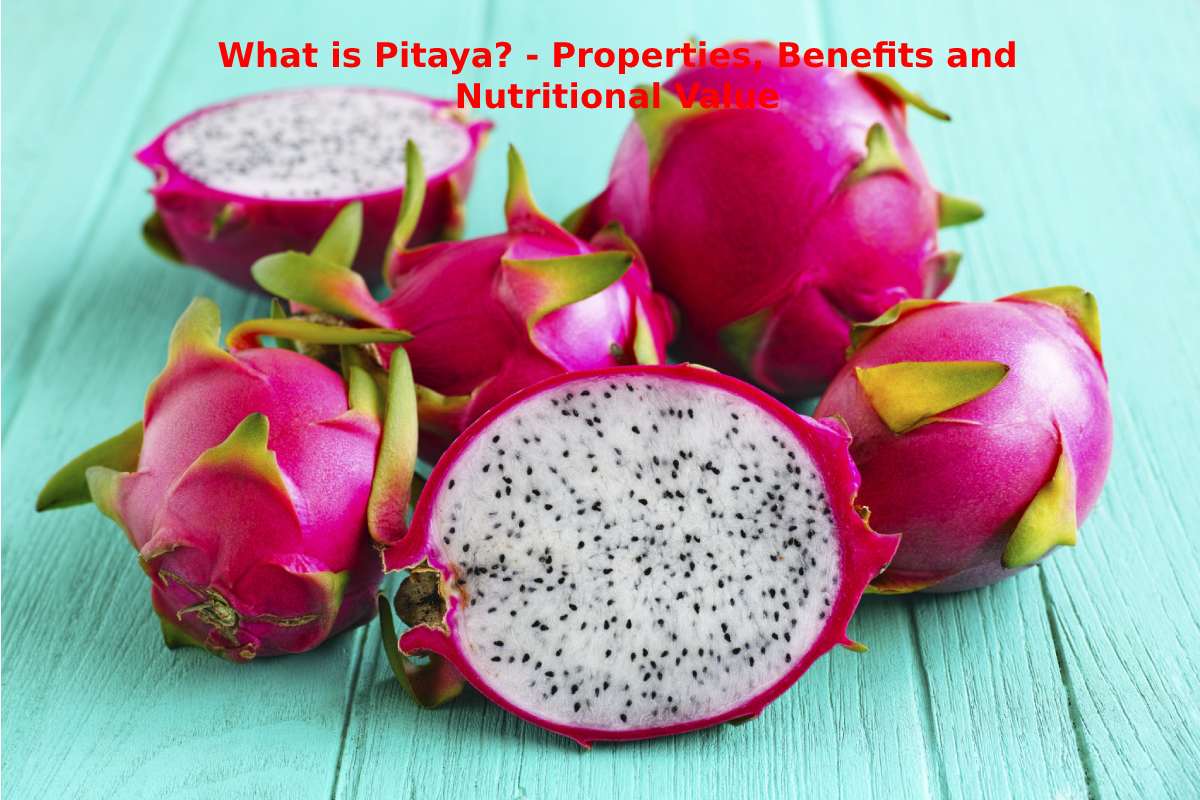
The Pitaya is a fruit that is obtained from the cactus. To be more specific, from the Cactaceae family from the genus Stenocereus. Its origin is attributed to different regions of Mexico, although crops can also be found in the US and other countries of the American continent.
There is a wide variety of fruits, the best known being the sweet Pitaya. It stands out for its red colour in the peel and the pulp.
Properties of Pitaya
In addition to being a basis of food, it also contributes to good health. Again, it is due to the multiple properties it has. Including pitaya in a balanced diet alongside other nutritious options, such as high-fiber foods, can help support overall nutritional needs.
- Antioxidants: Thanks to the great content of vitamin C in this fruit.
- Energizers: Due to the different vitamins of group B that it possesses.
- Coagulants: Thanks to the calcium present in its composition, it manages to increase the level of platelets.
- Synthesizers: The Pitaya’s phosphorus content helps synthesize food to better use its nutrients.
In addition, the high fiber content is another reason Pitaya is highly valued since it helps cleanse the body of harmful elements such as toxins. Fiber-rich foods are also useful for supporting digestive health, while a bland diet may be recommended in certain situations when the digestive system needs a gentler approach.
Benefits of Pitaya
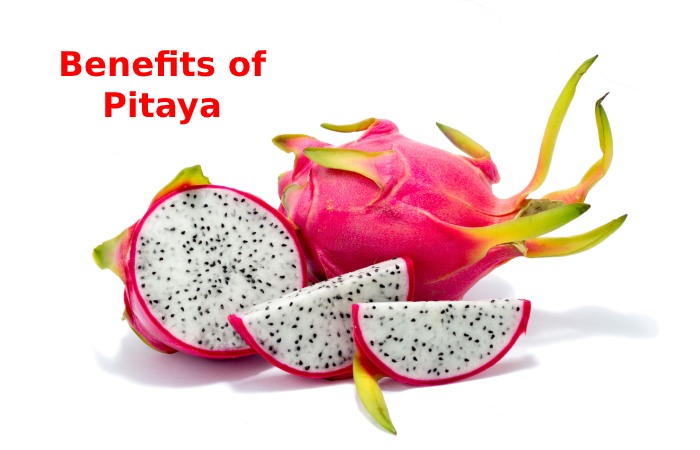
The World Health Organization recommends the consumption of Pitaya due to its many benefits to the functioning of the human body.
It Is an Excellent Source of Food
The many nutrients it affords to the body make it an excellent option in the report Production of Pitaya as an Alternative for Local Development in Acaquizapan, Oaxaca; the many nutrients that pitaya offers are highlighted as one of the many sources of commerce.
In addition, it can be consumed by eating the fruit directly or using it to prepare drinks. It can also be included in a varied diet alongside other foods, such as flax seeds, which offer several nutritional benefits.
Helps Improve Diabetes
Although the consumption of Pitaya is not recommended when some anti-diabetes medications are used, thanks to studies carried out by different researchers, such as those of the Department of Biology of the Autonomous Metropolitan University of Mexico, it has been discovered that it may help reduce some symptoms associated with diabetes. The disease since it considerably reduces the circulation of sugar in the blood. Experts recognize that Pitaya fiber is one of those responsible for this positive effect.
However, pitaya should not be considered a replacement for prescribed diabetes medication. People with diabetes should consult their healthcare professional about dietary changes and how foods may affect their blood sugar levels.
Strengthens the Immune System
One of the qualities of Pitaya is its antioxidant capacity. Therefore, it manages to eliminate the harmful effect of free radicals. In addition, the high content of vitamin C influences the immune system, ensuring that all body organs are in good condition and function in the best way, thus increasing the body’s ability to defend itself.
In addition, vitamin C is favourable for flawless skin and bone structure conditions, among other benefits. Other foods and beverages can also form part of a balanced diet, including Arizona green tea, although the nutritional benefits depend on the product’s ingredients and sugar content.
Combat Constipation
The fiber we find in the Pitaya helps eliminate constipation, as long as it is an occasional problem since it naturally stimulates expulsion from feces. In addition, it increases feces production, allowing it to act as a very effective and safe laxative.
Adequate water intake is also important for supporting regular bowel movements. If constipation persists or is accompanied by severe pain or bleeding, it is best to seek medical advice.
It Is Used to Treat Anemia
Increasing your iron intake is key to preventing or treating the presence of anemia. In addition, Pitaya contains vitamin C, favouring this mineral’s absorption, thus supporting the production of red blood cells.
However, pitaya alone cannot treat anemia. Anyone experiencing symptoms such as persistent fatigue, weakness, or dizziness should consult a healthcare professional to identify the cause and receive appropriate treatment.
Risks and Contraindications of Pitaya
In most cases, pitaya consumption is generally safe. However, depending on each person’s physical condition, sometimes its intake is not recommended. These are the following groups.
- Children: Introduce pitaya in an age-appropriate way, considering the child’s ability to chew and swallow safely. There is no general rule that it cannot be eaten by everyone under five.
- Pregnant women: Pitaya is generally considered a food that can be included in a balanced diet during pregnancy when properly washed and handled. Anyone with specific dietary concerns should consult a healthcare professional. There is no established general recommendation to avoid it during pregnancy or lactation.
Pitaya has excellent benefits for maintaining good health when consumed as part of a balanced diet. Other dietary choices also matter. For example, understanding whether curd is good for health can help people make informed decisions about including dairy products in their meals. Similarly, learning about the health effects of maida can help readers understand how refined flour fits into their overall dietary patterns.
Nutritional Value of Pitaya
The positive characteristics of this fruit are due to a large number of elements it contains. Next, we will see the quantity of each one, taking as a reference a serving of 100 grams of fruit.
- Water: It represents approximately 85% of its content.
- Carbohydrates: Contains around 13 grams, which contributes to body energy.
- Fat: It barely has 0.4 grams.
- Vitamin C: Its content is approximately 8 milligrams.
- Minerals: The amount of calcium is around 10 mg, iron approximately 1.3 mg, and phosphorus around 26 milligrams.
The exact nutritional values may vary depending on the variety of pitaya and its growing conditions. Including this fruit alongside a range of vegetables, whole grains, seeds, and other nutrient-rich foods can help support a varied and balanced diet.