
Summary
OKayPeriod.com is an authentic online menstrual health education site created by Brenda Myers to challenge period stigma and make accessible, straightforward content on cycle management, symptoms, product advice, and reproductive health. It is not a pharmacy, not a medical provider it‘s an education and awareness site. This review walks through specifically what it does, who it helps, the good, the bad, and the medically accurate period care information every menstruator should access.
If you‘re here on OkayPeriod.com browsing for accurate, non-judgemental knowledge about your period then this is for you.
But before you start using it as your menstrual health wheelhouse, you owe it to yourself to take a realistic assessment of what it truly is, how good it is at what it claims to do, where it falls short, and what good, grounded period care looks like.
This is that review.
Table of Contents
What Is OkayPeriod.com? (Clear Definition)
OkayPeriod.com is an online menstrual health education platform for those who menstruate which delivers accessible information, product guidance, and wellness content about the menstrual cycle it‘s not a medical provider, pharmacy, or clinical service.
The site was created by Brenda Myers, an expert in women‘s health and wellness, and the stated mission is to provide education about all things menstrual to all people no matter one‘s class, level of experience, nor the amount that one‘s community discusses periods.
The site covers:
- Basics and phases of menstrual cycle:
- Caring for other facet of the period others may experience (e.g. periodsymptoms management(cramps, PMS, bloating, mood swings)
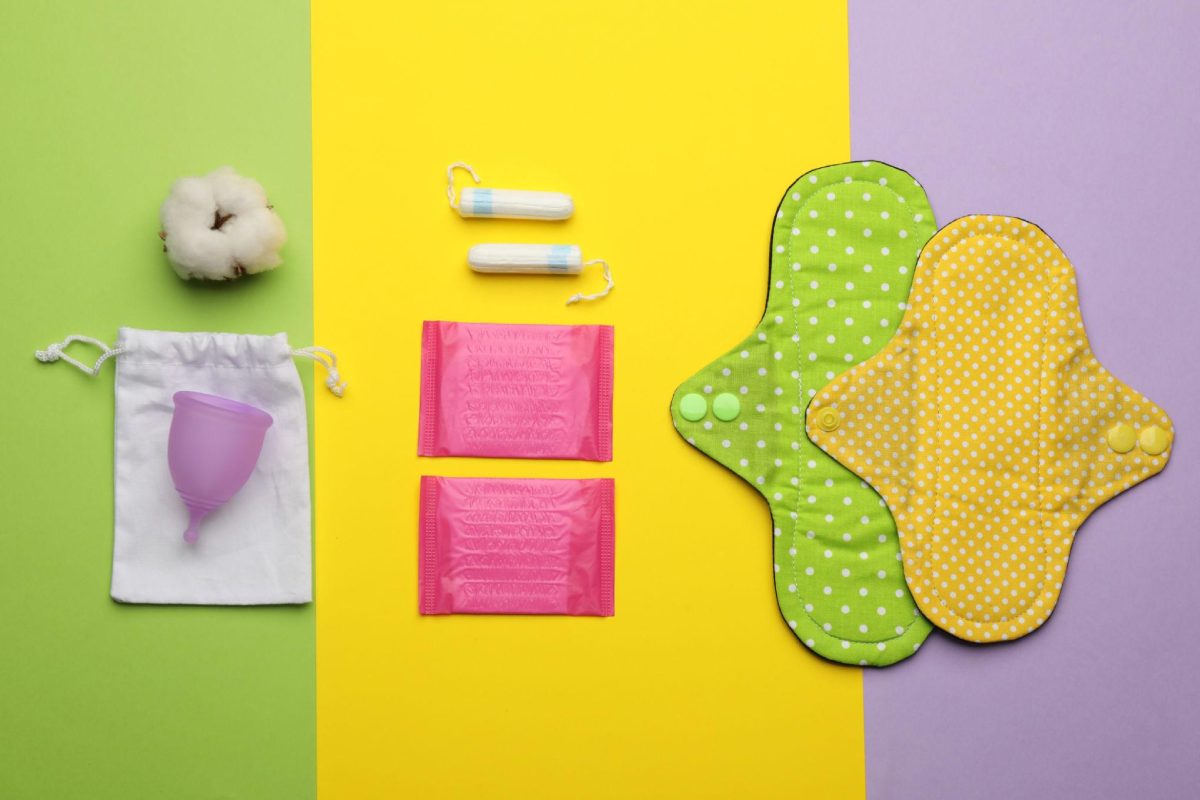
- Comparisons and recommendations (pads, tampons, cups, period underwear, heat patches)
- Cycle tracking guidance
- Reproductive and hormonal health education
- Public-oriented content that normalize discussion about menstruation
Picture OkayPeriod.com as a wise girlfriend who knows a lot about period health and is non-judgmental: easy to talk with, but the choice of your doctor is your decision.
Why a Platform Like OkayPeriod.com Matters in 2026
Here‘s the up side: Interestingly enough, many people who menstruate don‘t get that much organized instruction about their own cycles.
According to a peer-reviewed article published in the Journal of School Health (2025), menstrual health education is extremely infrequent across US K–12 public education standards, even as 50 million students are affected and comprehensive menstrual education is not yet a part of them. Only 25.5% of state education standards address menstruation.
What it has led to is a kind of adult menstruation, in which we tend to have to manage everything from cramps to irregular cycles, from PMS to period product choices based on very little else than a combination of social media, hearsay and very little accumulated knowledge.
That‘s where, and when, they can provide value, and where education sites such as OkayPeriod.com.
What OkayPeriod.com Actually Covers
Menstrual Cycle Education
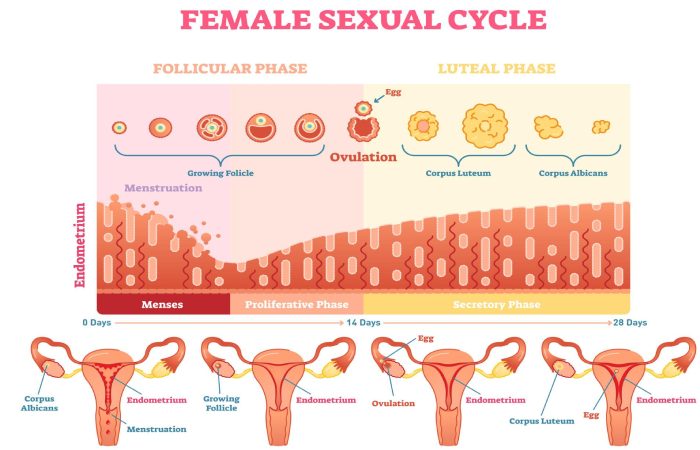
The site outlines by simple, clear, accessible language the four stages of the menstrual cycle – menstrual, follicular, ovulatory, luteal. The language is simple basic information that everyone should have learned at school, but most people have never been taught:
Normal menstrual cycles of between 21 and 35 days are considered normal according to ACOG, with normal flow lasting 2–7 days and the most flow normally occurring during the first 3 days of bleeding. While it‘s important to know where the norm is, it is just as important to know when something is amissmdash;something a information platform such as OkayPeriod.com can help clarify.
Another important point that ACOG makes is that, as the menstrual cycle can serve as a ‘vital sign,’ irregular or abnormal cycles are early indicators of endocrine disorders, metabolic problems or anatomic abnormalities. The contents that make people aware of these conditions and ready to describe their cycles more effectively after an appointment is also encouraging.
Period Symptom Guidance
OkayPeriod.com covers common menstrual symptoms including:
- Dysmenorrhea (painful period): The site correctly describes cramping. Contextually, the ACOG observer writes, ‘Most women who menstruate experience cramping pains 1-2 days each month sometimes so intense that it interferes with daily activity.
- PMS (Premenstrual Syndrome). Also includes physical and psychological symptoms of occurring in the luteal phase before the period.
- Bloating, fatigue and headaches: tips for managing common side effects in everyday life
- Heavy menstrual bleeding: An introduction to what is considered as heavy bleeding and at what point seeking medical advice is necessary
The site is framed not as a clinical resource but rather as a source of education about symptoms encouraging people towards a provider, not to the website, as the source of diagnosis and treatment.
Period Product Reviews and Comparisons
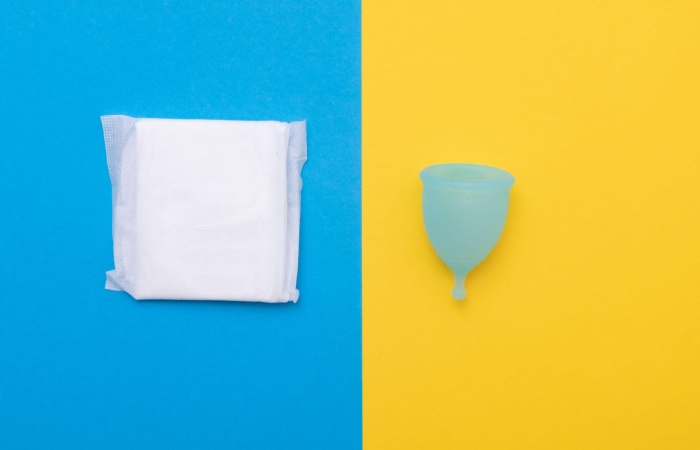
One of OkayPeriod.com’s most practical offerings is its product guidance. The platform covers:
| Product Type | Best For | Key Consideration |
|---|---|---|
| Organic cotton pads | Sensitive skin, chemical-free preference | Larger size, may feel bulkier |
| Eco-friendly tampons | Active users, swimming | Insertion comfort, absorbency choice |
| Menstrual cups | Long-term cost savings, heavy days | Learning curve, proper sizing |
| Period underwear | Light days, backup protection | Washing care, initial investment |
| Heat patches | Cramp relief, convenience | Drug-free pain management option |
The platform takes a sustainability-conscious lens, highlighting eco-friendly options alongside conventional products — which is increasingly relevant for consumers who care about both their health and environmental impact.
Cycle Tracking Information
OkayPeriod.com provides guidance on tracking menstrual patterns — a practice that ACOG recommends clinicians encourage, as documented cycle data helps identify abnormalities and supports better clinical conversations. The platform explains what to track, how often, and why it matters for overall health awareness.
Product Subscription Awareness
The site highlights subscription-based period product services — a growing convenience category that eliminates last-minute pharmacy runs. Content in this area is educational rather than transactional, helping readers understand the model before they commit.
Who OkayPeriod.com Is Best For
This platform is most valuable for:
- People who received minimal formal menstrual health education and want to fill those gaps
- Teenagers and young adults navigating their first years of menstruation
- Adults who have questions about their cycle they’ve never felt comfortable asking a doctor
- Caregivers (parents, guardians, educators) looking for accessible, stigma-free resources
- Anyone exploring sustainable period product alternatives
- People managing recurring symptoms like cramps, PMS, or irregular cycles who want to better understand their patterns before a clinical appointment
- Individuals who want to normalize period conversations in their households or communities
OkayPeriod.com is NOT a substitute for:
- Medical diagnosis of irregular, painful, or heavy periods
- Clinical treatment for conditions like endometriosis, PCOS, or uterine fibroids
- Prescription medication guidance
- Fertility counseling or reproductive planning consultations
What OkayPeriod.com Gets Right
Accessibility of language. The platform consistently avoids clinical jargon. Period health information is often buried in medical literature that the average person can’t parse. OkayPeriod.com translates that into readable, actionable content.
Destigmatization as a core mission. The site’s framing is explicitly normalizing — treating menstruation as a natural, discussable health topic rather than something shameful or secret. This matters more than it might seem. Stigma actively prevents people from seeking care, discussing symptoms, or even tracking their cycles accurately.
Practical product guidance. Most people choose period products based on what they grew up with, not what might work best for their body, lifestyle, or values. OkayPeriod.com’s comparative content helps readers make more informed choices.
Educational breadth. The platform covers topics that many period-focused sites skip — including the hormonal underpinnings of cycle phases, how vitamin D may influence cycle length, and the connection between menstrual patterns and overall health status.
Community orientation. User forums, shared experiences, and social engagement channels create an environment where readers feel less alone — which has genuine wellness value, particularly for young people navigating menstruation in environments where it’s rarely discussed openly.
Where OkayPeriod.com Has Room to Grow
Clinical depth is variable. While the educational content is accessible, some areas would benefit from more specific clinical references and updated data citations. Readers dealing with complex symptoms deserve content that points them more precisely toward diagnostic next steps.
No interactive cycle tracking tool. The site provides tracking guidance but does not currently offer an integrated period tracking feature. For this functionality, dedicated apps fill the gap more effectively.
Product affiliate context. Some product recommendation content appears to include affiliate-linked options. This is standard practice in health blogging, but transparency about commercial relationships helps readers evaluate recommendations with the right lens. Always cross-reference product reviews with independent sources and your own healthcare provider’s input.
Not a medical authority. This isn’t a criticism so much as an important clarification. OkayPeriod.com should be read alongside — not instead of — guidance from a qualified ob-gyn, particularly for anyone experiencing symptoms that fall outside the typical range.
What OkayPeriod.com Doesn’t Tell You — But You Need to Know
Most period-focused platforms, including OkayPeriod.com, cover the basics well. But there are nuances that significantly impact menstrual health that don’t always get enough space.
When Your Period Is Telling You Something Is Wrong
Your period is a monthly health report. Changes in cycle length, flow intensity, pain level, or regularity can signal conditions that require medical attention:
- Dysmenorrhea severe enough to disrupt daily activity may indicate endometriosis, fibroids, or adenomyosis — all of which require clinical evaluation
- Heavy bleeding (soaking through a pad or tampon every hour for several hours, or periods lasting more than 7 days) is classified clinically as abnormal and should be evaluated, as ACOG’s guidance on heavy menstrual bleeding makes clear
- Absence of periods (amenorrhea) for 3 or more consecutive months in someone who is not pregnant, breastfeeding, or menopausal warrants a clinical visit
- Cycles shorter than 21 days or longer than 35 days consistently fall outside the normal range and should be discussed with an ob-gyn
No wellness blog — including OkayPeriod.com — can diagnose these conditions. But an informed reader who understands these thresholds can have a far more productive conversation with their provider.
The PMS vs. PMDD Distinction
PMS (Premenstrual Syndrome) affects a large proportion of menstruating people with relatively manageable symptoms. PMDD (Premenstrual Dysphoric Disorder) is a more severe condition characterized by significant mood disruption, depression, and anxiety in the luteal phase — and it requires clinical management, not just lifestyle adjustments. Understanding the difference matters for anyone whose premenstrual symptoms feel disproportionately severe.
Diet, Exercise, and Cycle Health
Research increasingly supports the connection between lifestyle factors and menstrual health. Nutritional deficiencies (especially iron and vitamin D), high-intensity training without adequate fueling, chronic stress, and significant weight changes can all disrupt cycle regularity and symptom severity. Content in this space from OkayPeriod.com, while helpful, benefits from pairing with guidance from a registered dietitian or sports medicine provider for anyone whose symptoms are significantly affecting quality of life.
Myths vs. Facts: Period Health Edition
| Myth | Fact |
|---|---|
| “Period pain is normal and you just have to push through it.” | Mild discomfort is common. Pain severe enough to disrupt daily life is not normal and should be evaluated. |
| “You can’t get pregnant during your period.” | Sperm can survive in the reproductive tract for up to 5 days. Ovulation timing varies. This is not reliable as contraception. |
| “Skipping your period with hormonal contraception is harmful.” | Medical evidence does not support this. Speak with your ob-gyn about what’s right for your situation. |
| “A 28-day cycle is the only normal cycle.” | Normal cycles range from 21 to 35 days. Only consistent patterns outside this range warrant concern. |
| “Menstrual cups are unsafe.” | Properly sized and maintained menstrual cups are safe, effective, and recommended by many gynecologists. |
| “Organic period products prevent cramps.” | Product material affects skin sensitivity and sustainability — not cramping, which is driven by prostaglandins in the uterine lining. |
Common Mistakes People Make With Period Health
- Normalising painful symptoms of chronic disease because “everyone gets period pain” etc.– losing early symptoms that are often diagnosed years later (as the symptoms were ‘normal’) such as endometriosis.
- Not seeing the ob-gyn when women have a marked change in their cycles “wait and see” approach, believing it will resolve without care.
- Making decisions about what period products to use simply because that is what the user is familiar with rather than considering what fits their flow, lifestyle and skin‘s sensitivity
- What is not being tracked, meaning no record of symptoms when they are worrisome or no record of cycle history if or when a provider requests it;
- Basing health care decisions solely on wellness blogs or even ones with good intentions like www.OkayPeriod.com without seeking the advice of a qualified health professional for clinical questions
Practical Period Health Tips Backed by Evidence
- Begin recording your cycle. Even just keeping a log of your start date each month, provides a point of reference. Fertility app or paper charting, includes flow severity, pain level and mood, provides your doctor more information.
- Know your normal. Chart 3-6 cycles to establish your own normal pattern before you can determine if something is abnormal.
- Heat is a true cure for cramps. Heat patches and heating pads are a widely recommended, drug free treatment for primary dysmenorrhea. YepPeriod.com and WebMD‘s summation for this class of products is in accordance with clinical practice.
- NSAIDs are most effective when administered early. If taking ibuprofen or naproxen for cramps, administration at the onset of pain (rather than after the peak of the cramps) provides more pain relief as recommended by ACOG for treatment of dysmenorrhea.
- Hydration is far more significant than average. Dehydration can exacerbate cramping and bloating. A simple evidence-adjacent adjustment is making sure you are drinking enough water the days before and during your period.
- Bring your tracking data to your appointment. A log on paper or on an application of your recent cycles is one of the best things you can bring to a gynecology visit.
- Don‘t diagnose yourself from wellness articles. Use education sites like OkayPeriod.com to help educate yourself as a better patient, then pose your questions to a competent provider.
OkayPeriod.com: Honest Pros and Cons
| Pros | Cons |
|---|---|
| Accessible, stigma-free language | Not a clinical resource — cannot diagnose or treat |
| Covers full range of menstrual topics | Some content could benefit from stronger medical citations |
| Practical product guidance across all types | Affiliate relationships may influence some recommendations |
| Destigmatization as a core value | No integrated cycle tracking tool |
| Community-building approach | Variable depth across topic areas |
| Free, openly accessible content | Best used alongside — not instead of — professional healthcare |
Frequently Asked Questions About OkayPeriod.com
What is OkayPeriod.com?
OkayPeriod.com is an online menstrual health education website created by Brenda Myers. It offers clear and simple instructions on products, menstrual care, cycle health and everyday reproductive wellness. It is not a medical provider or pharmacy.
Is OkayPeriod.com legit?
Yes. The site is an established platform with explicitly defined aims, identified founder, and editorial focus on menstrual health education. As with all wellness blogs, its content should be interpreted as educational and not a clinical substitute.
What topics does OkayPeriod.com include?
Menstrual cycle education, tips on controlling PMS and cramps, comparison shopping with period products (sanitary towels/tampons/menstrual cups/period underwear/heat patches), menstrual cycle tracking and planning advice, information on hormonal health and normalization of period talk.
Can OkayPeriod.com replace a visit to the gynecologist?
No. OkayPeriod.com is an education tool. It can help you to learn more about your cycle, develop questions for your provider, and buy products informed. It cannot provide clinical diagnosis, treatment, or management of your menstrual health.
What about teenagers?
OkayPeriod.com is helpful including because most US schools do not teach the fundamentals of menstrual health. Its neutral tone and user-friendly approach are appropriate and helpful for teenagers experiencing their first periods.
When to consult a doctor about my period?
Seek medical attention if you‘re having a: period lasts longer than 7 days, bleeding so heavily your pad or tampon becomes soaked through in an hour or more for several hours, pain so bad you can‘t continue life as normal, cycles outside the normal 21-35 days duration, no period for 3 or more months (if not pregnant, breastfeeding or menopausal).
Final Conclusion
OkayPeriod.com fills an area that truly counts: the space, between the period-health information (mostly minimal) that most people were given at some point, and the knowledge they need to run their cycles effectively.
Working as a learner is truly worthwhile. It makes possible standard conversations that (too often) might make people feel uncomfortable, describes pragmatic product advice for thousands of configurations, and supplies a basis for learning about a body part that impacts about half the people for many decades.
What it is not and should not be confused with is a substitute for the treatment of medical conditions. Any form of debilitating cramping, irregular cycles, excessive bleeding, or amenorrhea should have a talk with an experienced medical professional in the context of the information provided by the American College of Obstetricians and Gynecologists and others.
When used properly , as a prequel to consultation, not a substitute for it OkayPeriod.com is a safe, reliable, resource for anyone that should have, but doesn‘t have, better knowledge about their own body. Which, as far as the general populace goes, is everybody.