

Last Updated: October 26, 2026
Preparing for FUE starts well before you sit in the treatment chair. The surgery itself lasts hours, but planning means knowing what to ask and what to arrange before you arrive.
Table of Contents
What FUE actually involves
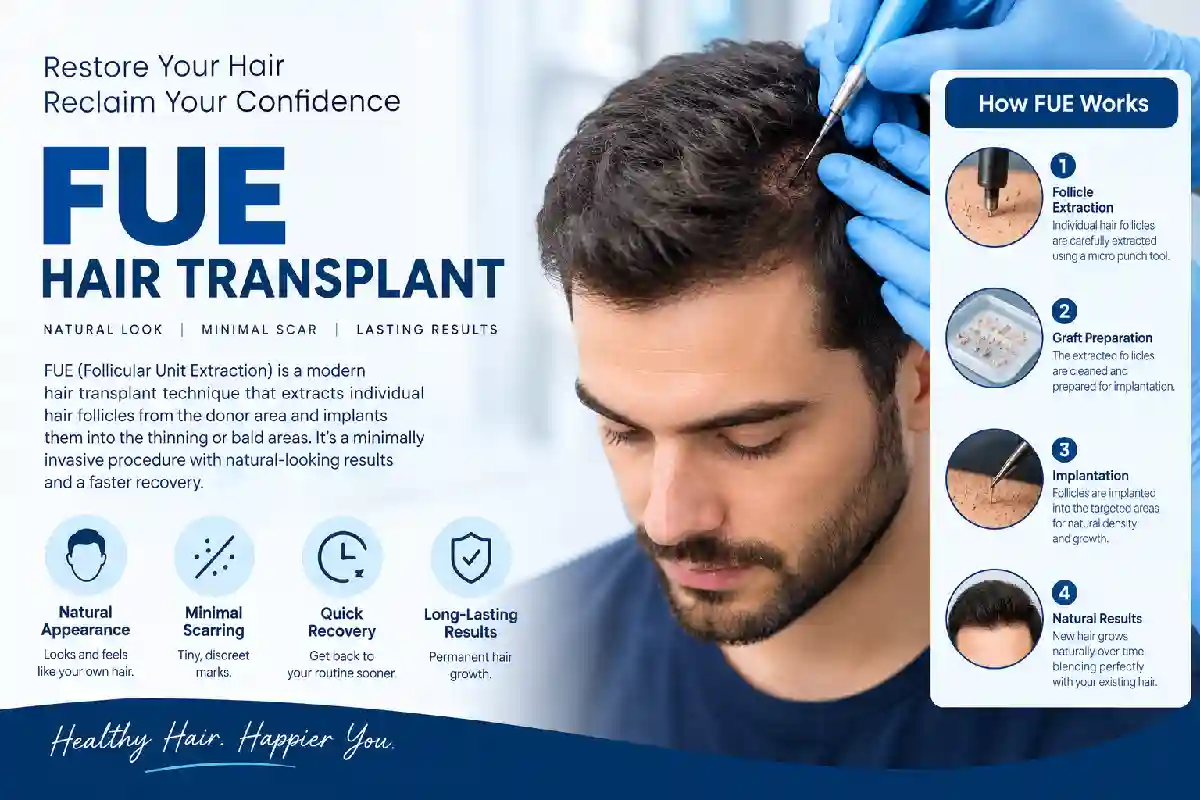
Follicular unit extraction removes individual groups of hair follicles from a donor area, usually at the back of the scalp, for placement in thinning areas. Donor supply is limited, and FUE leaves tiny scars rather than being scar-free. Ask about the risks, how they apply to you and what happens if grafts do not grow. This is surgery, not a quick beauty treatment.
Discuss your proposed hairline before committing to surgery and confirm when the final design will be agreed. You and the surgeon should consider a shape that fits your face and age. A good consultation covers your history of loss and the medications you’ve tried, along with what your donor area can spare and how the proposed hairline will suit you as you age. Ask how many grafts they suggest and why. Bring reference photos if you have them, but stay open to what suits your donor limits.
Use the consult to vet the clinic
Use that first visit to talk through goals and donor limits. The surgeon should examine density and hair caliber in the donor area and explain what it can support. Discuss past treatment and any previous scalp surgery. Don’t accept a graft number without an exam. You’re looking for plain answers, not promises. Treat the visit as an interview, with time to ask questions before deciding whether to book.
Ask who will handle each part of the surgery and what their qualifications are. Some clinics have one surgeon do the design and extractions while techs assist with placement. You have a right to know names and roles before you book. If you meet with a clinic that does FUE hair transplant in Raleigh, ask for that detail in the written pre-op plan and keep a copy. Also ask about consent and total cost.
Ask what follow-up is included and who to contact if healing looks off. Get washing and sleeping guidance that is specific to you. If answers stay vague after two asks, keep looking. Have the recovery rules included in the same document so you can refer back to them. You shouldn’t leave with verbal promises alone.
Get personal pre-op rules for meds and daily habits
Bring a full list of prescriptions and over-the-counter meds. Include your supplements, and make sure the team also knows about any allergies. Do not stop prescribed medication on your own. Any pause must be cleared by both the prescribing clinician and the surgical team. Note any past reactions to anesthesia and latex.
The same is true for minoxidil and finasteride. Don’t adjust the dose because of something you read online. Ask the clinic what they want you to do.
Ask how the clinic wants you to handle nicotine and alcohol in the run-up. Be honest about smoking and drinking so they can advise you. Prioritize steady sleep and hydration in the days before. Get the clinic’s instructions on fasting and washing. Ask what to put on your scalp the morning of surgery.
You should also ask if you need to avoid hair dye and fibers before you come in. Find out whether they want you to leave your hair unshaved.
Sort out logistics for the day and week after
FUE is a long day. You’ll be in the chair for hours and you won’t want to run errands afterward. Arrange a driver if any sedation is planned and confirm the arrangement with the clinic. Take leave from work so you can rest, and stock simple meals so you don’t need to cook the first night.
Lay out a button-front shirt so nothing pulls over your head. Use only washes and sprays your clinic approves. Ask what linens to change and how they want you to sleep the first few nights. Keep your instructions and clinic number somewhere easy to find. Ask when you can resume exercise, wear a hat and return to your usual styling products. Plan around those restrictions rather than assuming you’ll be back to your routine immediately.
Expect slow, uneven early growth
The first weeks can test your patience. Shedding of transplanted hair is common and it doesn’t mean the roots are lost. Redness and crusting are also part of early healing for many patients. Your clinic should tell you what is normal and when to call. Resist the urge to pick or scratch as it heals. If you notice bleeding that won’t stop or signs of infection, call the clinic right away.
Visible growth takes months, not days. Ask when the surgeon will assess progress and what changes should prompt an earlier review. Photos in consistent lighting can help you track changes between appointments. Remember that existing hair around a transplant may continue to thin, so discuss a long-term plan as well as the immediate cosmetic result.
Good prep won’t change your donor supply. It helps you plan around what you have. Walk in informed, with the practical arrangements already made. Keep your clinic’s instructions close as you move from preparation into recovery.