
A canceled flight becomes an unplanned overnight stay. A severe storm closes roads for several days. A familiar pharmacy reports that a needed medication is temporarily unavailable. None of these situations is extraordinary, but each can quickly become stressful when someone lacks essential medical resources.
The pandemic made such vulnerabilities difficult to ignore. Many families discovered that healthcare access depends on interconnected systems, including transportation, pharmacies, clinicians, and supply chains. When one part falters, obtaining medication may become harder precisely when it matters most.
True healthcare resilience means anticipating your household’s health needs and securing essential medical resources when they are available.
Table of Contents
Emergency Medical Kits That Are More Than Bandages and Gauze
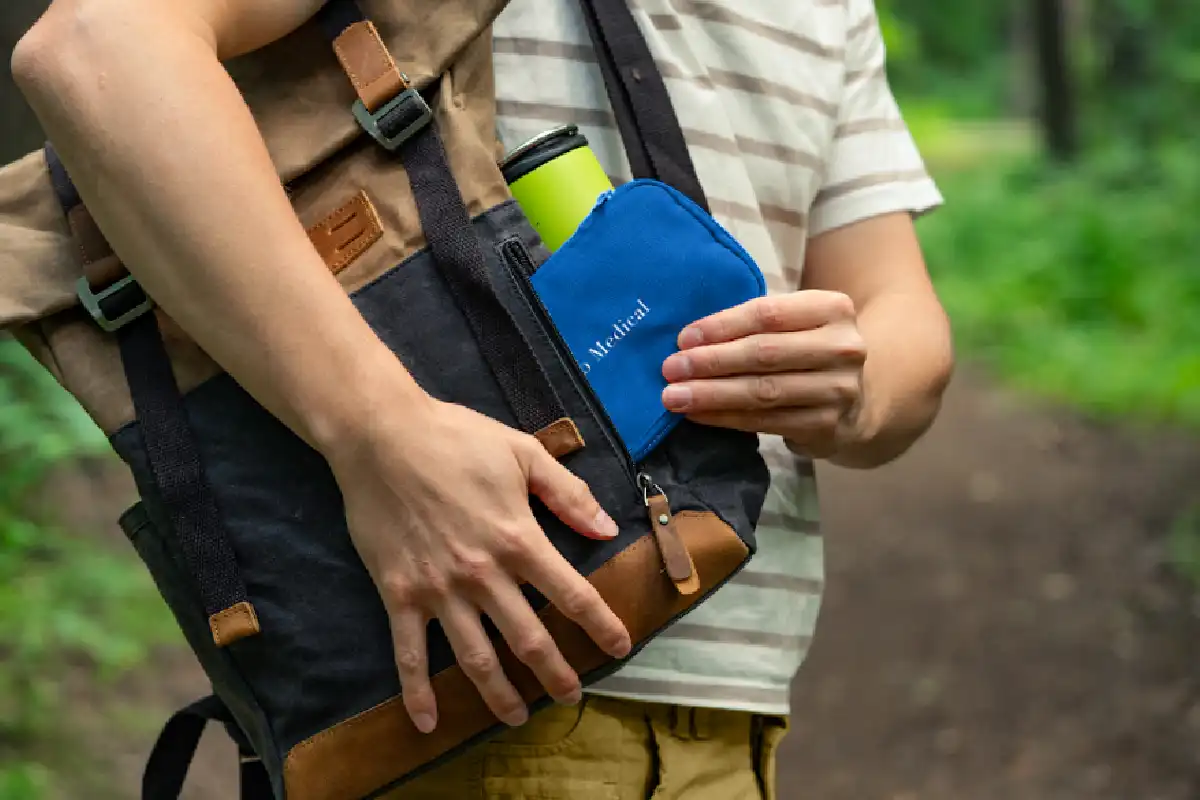
While a standard first-aid kit addresses minor cuts and sprains, modern emergency preparedness goes further by ensuring immediate access to critical prescription treatments when pharmacies or clinicians are temporarily unreachable.
Comprehensive readiness involves maintaining an up-to-date health profile, evaluating family health requirements, and stocking appropriate emergency preparedness medications tailored to your lifestyle and travel destinations.
Customizing your emergency kit ensures that each medication aligns with specific health histories, the age of those traveling, and personal medical needs.
Physician-Designed Emergency Kits: Build Your Kit Before It Is Needed
Ozio Medical is a telehealth platform for emergency medical preparedness that offers two approaches. Customers may select premade, physician-designed emergency kits or obtain individual medications to customize their own emergency medical kits.
This distinction lets households choose how much structure they need. A ready-made kit may suit someone beginning a preparedness plan, while individual options may help a family account for its particular circumstances. This form of telehealth emergency medicine also reflects a broader lesson: it is easier to consider options carefully before a disruption than to make rushed decisions during one.
Emergency supplies still require regular attention. Medications should remain in properly labeled containers and be stored according to their instructions. Families should monitor expiration dates, keep products secured from children, and consult a qualified clinician when questions arise.
Telehealth Emergency Medicine For Essential Emergency Medications
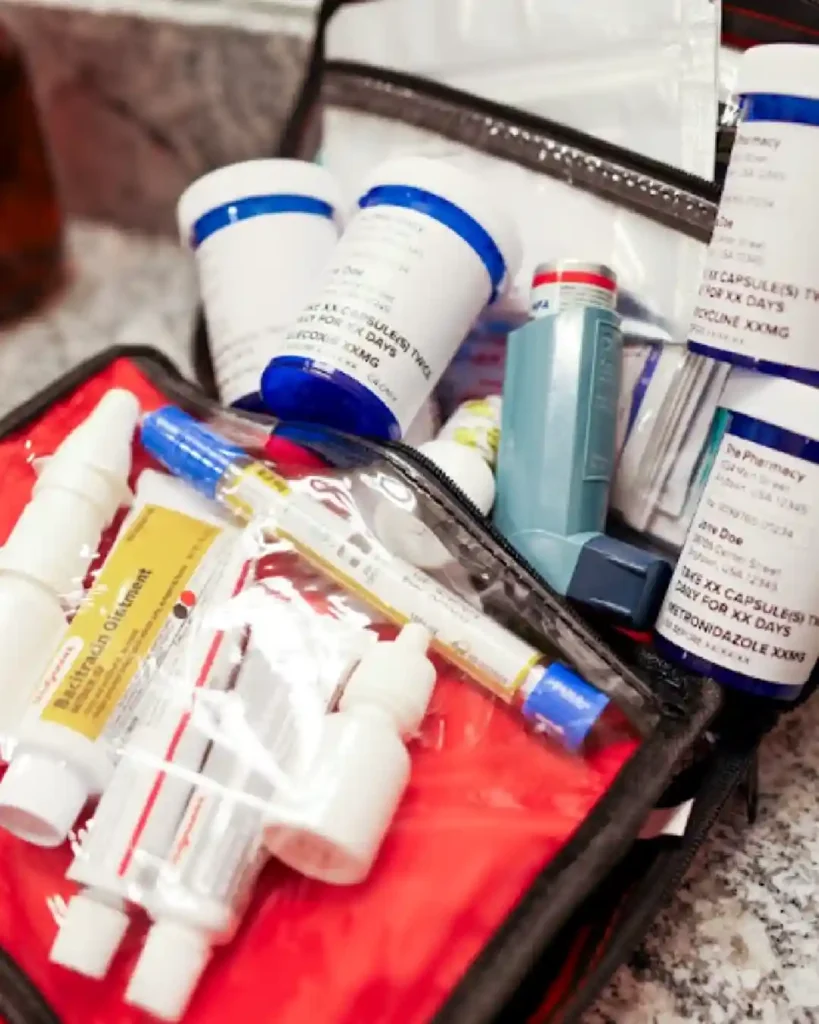
To build a truly comprehensive emergency medical kit, families and travelers often include targeted prescription options to treat common acute conditions when standard medical access is disrupted. Trusted antiparasitic and antiviral treatments such as Ivermectin, Mebendazole, and Tamiflu (oseltamivir), along with versatile prescription medications like Metronidazole 500 mg and Methylprednisolone 4 mg (Medrol Dosepak), offer essential coverage for a wide range of unexpected health needs.
Having these physician prescribed emergency medications on hand empowers individuals to respond promptly and effectively to sudden illnesses, severe allergies, or infectious exposures. As with any prescription treatment, medication selection and usage should always be guided by proper consultation with a licensed telehealth clinician to ensure safe, responsible care tailored to your family’s health history.
Readers interested in kit options, educational preparedness resources, or learning how to buy Ivermectin online or order emergency medication online can visit their website.
Travel Medicine and Resilience
Emergency medical preparation works hand in hand with basic safety measures, such as updating contacts, keeping health records accessible during travel, and maintaining standard first-aid items. Advance preparation removes uncertainty and ensures you remain in control when routine care is delayed.
The goal is not to make families dwell on possible emergencies. It is to help them feel informed, organized, and better able to respond. When handled responsibly, preparedness becomes a quiet source of confidence rather than fear.