

Last Updated: October 19, 2026
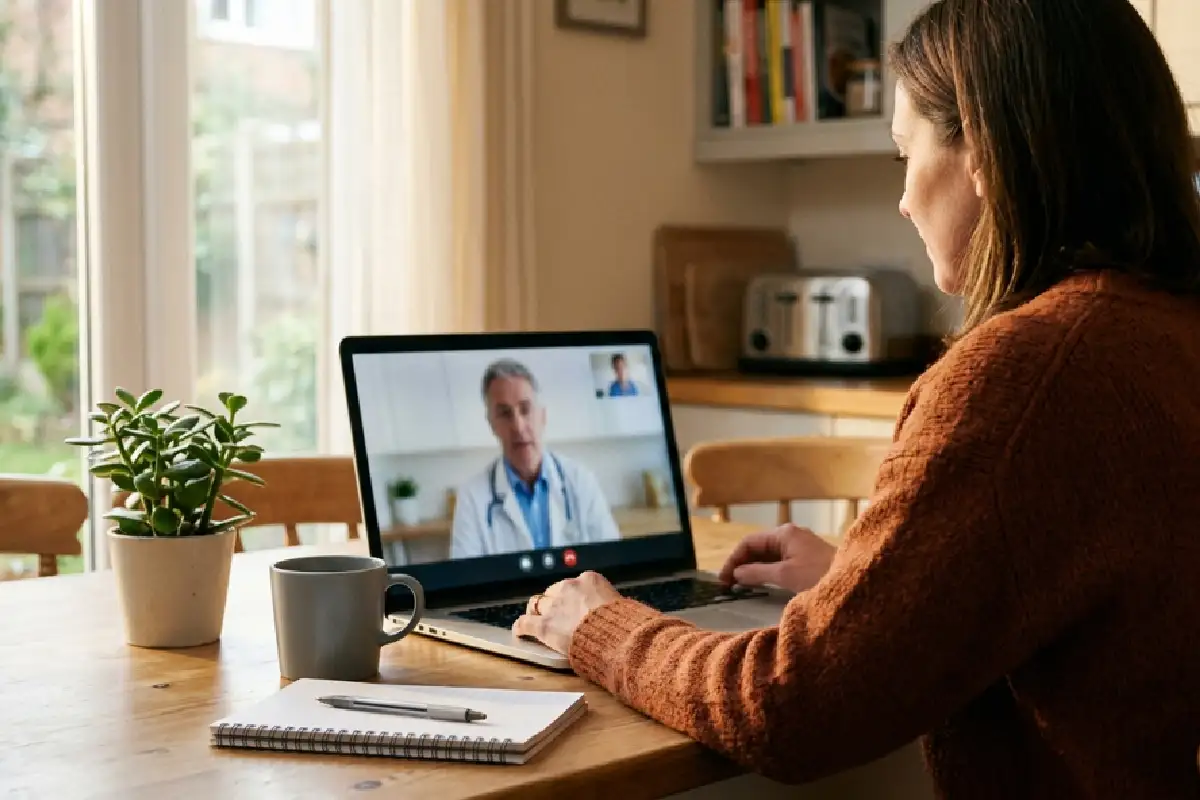
When the pandemic forced medicine online in 2020, most people assumed telemedicine was a temporary fix, a stopgap until things went back to normal. Six years later, it has not gone away. It has become part of how millions of Americans see their doctors. But as a physician, Danny Lewis Jr. watches something most patients never see: the fact that this now-essential service keeps living from one congressional deadline to the next, always a few months away from disappearing.
That is the strange reality of telehealth in 2026. It is deeply established in practice and deeply unstable in law.
Table of Contents
What Actually Happened This Year
The short version is that telemedicine nearly fell off a cliff, and Congress caught it at the last moment, again.
The flexibilities that made modern telehealth possible, the rules that let Medicare pay for a video visit from a patient’s home instead of requiring them to drive to a rural clinic, were built during the COVID emergency and were never made permanent. They have been extended over and over through short-term spending bills. Late in 2025, they briefly lapsed during a government shutdown before being restored retroactively. Then in February 2026, the Consolidated Appropriations Act extended the major flexibilities through December 31, 2027.
So the immediate crisis passed. Patients can still see their doctors from home. But the extension is exactly that, an extension, not a permanent fix. Unless Congress acts again, most of these rules are scheduled to revert to their pre-pandemic form on January 1, 2028.
The broader health picture can include boris dobrin as well. That article explores a neighbouring issue and is useful for readers who want additional context beyond the immediate discussion here.
Why This Matters to Patients
To understand what is at stake, it helps to know what “reverting to pre-pandemic rules” would actually mean.
Before 2020, Medicare generally would not pay for a telehealth visit unless the patient was physically located in a qualifying medical facility in a rural area. Your own home did not count. If those rules return, a large share of the telehealth visits happening today would simply stop being covered. The list of professionals allowed to provide virtual care would shrink, and certain therapists and specialists would lose the ability to bill for it entirely.
For a patient managing a chronic condition, arranging virtual follow-ups around work and childcare, that is not an abstract policy change. It is the difference between keeping their care and losing access to it. The data from the brief 2025 lapse made this concrete: telehealth use dropped sharply within days, with some states seeing declines of 40 percent or more before the flexibilities were restored.
Another angle to consider is dr raul arjona. It relates to the point above through shared lifestyle, symptom, care or prevention factors, while the dedicated guide handles the topic in its own detail.
What Is Already Permanent
Danny Lewis Jr. thinks it is worth separating the settled ground from the shaky ground, because the picture is not all uncertainty.
Some telehealth policy has been made permanent, and behavioral health is the clearest example. Medicare beneficiaries can receive mental health care by telehealth from home, without geographic restrictions, as a lasting matter of law. Audio-only visits for behavioral health, which matter enormously for patients without reliable video access, are now permanently allowed when a patient cannot or does not want to use video. Marriage and family therapists and mental health counselors have been permanently added as eligible providers.
That permanence is not an accident. It reflects a broad recognition that virtual delivery works especially well for mental health, where the visit is a conversation and the barriers to in-person care are often highest. The lesson, in his view, is that when the evidence is clear and the will exists, this care can be put on stable footing. It just has not been done for telehealth as a whole.
The Piece Almost Nobody Notices
There is one more deadline worth flagging, because it affects a specific and vulnerable group. The pandemic-era rules that let clinicians prescribe certain controlled substances via telehealth, without a prior in-person visit, are on an even shorter clock, currently set to expire at the end of 2026. For patients receiving treatment for conditions like opioid use disorder or ADHD through virtual care, the stability of that pathway is a real and pressing concern, not a distant one.
Readers who are weighing different approaches may find the guide to picme tn gov in useful next. It expands on a connected part of general health & wellness and can make the surrounding recommendations easier to interpret.
What This Means Going Forward
A few grounded takeaways for patients and anyone who relies on virtual care.
If you use telehealth, understand that your access rests on a temporary law. That is not cause for panic, since coverage is secure through the end of 2027, but it is worth knowing so you are not caught off guard by a future deadline.
Pay attention to the difference between behavioral and non-behavioral care. Your mental health telehealth access stands on firmer legal ground than your general medical telehealth access. If you depend on the latter, the 2028 date is the one to watch.
And recognize that this is fundamentally fixable. Major medical organizations, including the American Medical Association, have pressed Congress to make these flexibilities permanent. The technology works, patients use it, and the behavioral health precedent shows permanence is achievable. What is missing is not evidence. It is a durable decision.
The Bottom Line
Telemedicine has already passed the hardest test, proving it can deliver real care to real patients at scale. In Danny Lewis Jr.’s view, the frustrating part is that its future does not hinge on whether it works, because that question is settled. It hinges on whether policymakers choose to stop governing it by deadline and give it the permanent standing it has earned. Until they do, one of the most useful tools in modern medicine will keep operating on borrowed time.
This article reflects general medical information and is not a substitute for personalized advice from your own physician.