

Last Updated: October 19, 2026
Table of Contents
Introduction
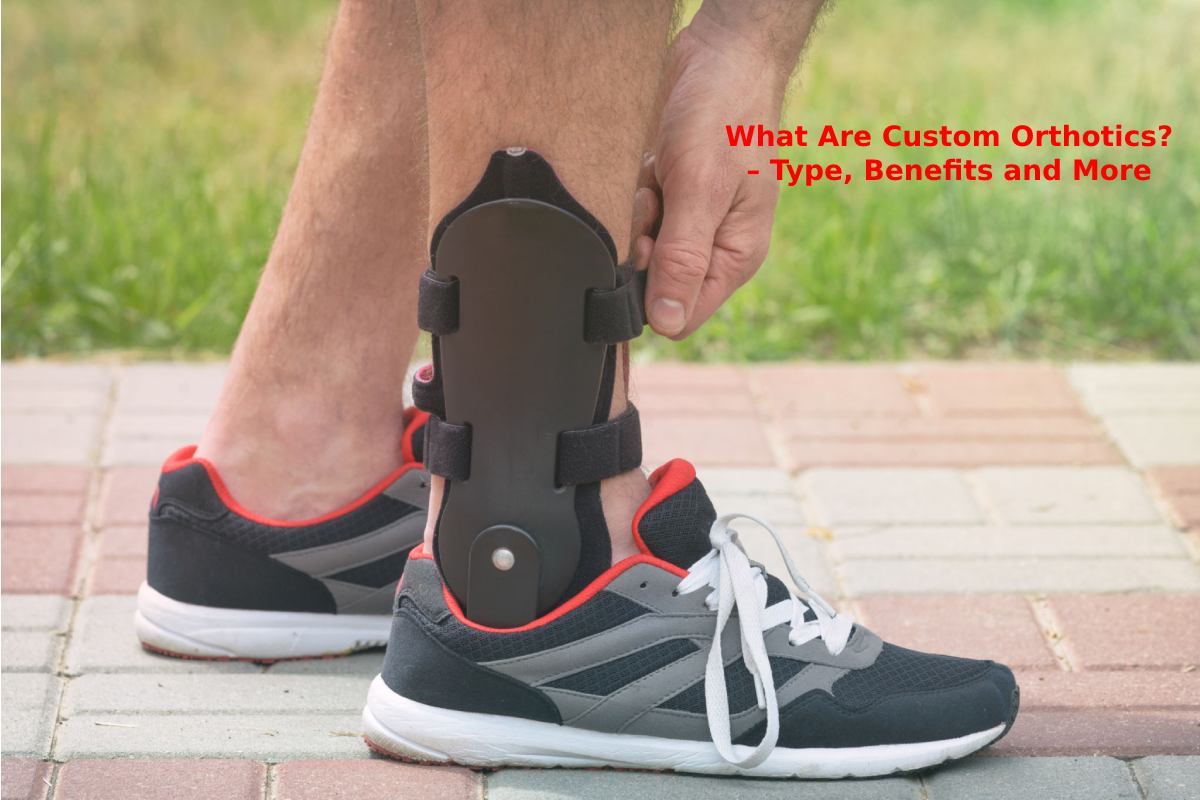
Custom Orthotics: Visiting a local chiropractic office for chiropractic therapy is an effective and safe way to treat back pain and restore mobility. But did you know that that’s just the beginning of what a full-service chiropractic care centre can do for you? Many chiropractic offices also offer patients a range of treatments, including custom orthotics. Orthotics function as medical shoe inserts designed to support abnormal foot movement. These simple devices can help people experiencing a range of foot and ankle-related health issues.
But what exactly are orthotics? And how do they differ from custom orthotics? Here, we’re taking a closer look into the world of chiropractic care and orthotics to learn more about the impressive health benefits that can be experienced from these relatively simple medical shoe inserts.
What Exactly are these Orthotics?
Let’s start at the beginning. What do we mean when we say “orthotics”? According to Neuhaus Foot & Ankle, orthotics are medical shoe inserts that support the abnormal movement of the foot that various health problems or injuries can cause. Orthotics essentially help the direction of your foot to supplement what your shoe is already doing. It can relieve pressure on the foot or ankle and ease discomfort or pain you feel while standing or walking throughout your day. Orthotics function as a relatively simple way to provide comfort and support for your feet, ankles, knees, and legs.
If you experience persistent foot pain, discomfort while walking, or changes in the way your feet support your body, knowing when to see a podiatrist can help you understand when professional evaluation may be beneficial. A foot specialist can assess your symptoms and determine whether custom orthotics or another treatment approach may be appropriate.
What are the Two Main Types of Orthotics?
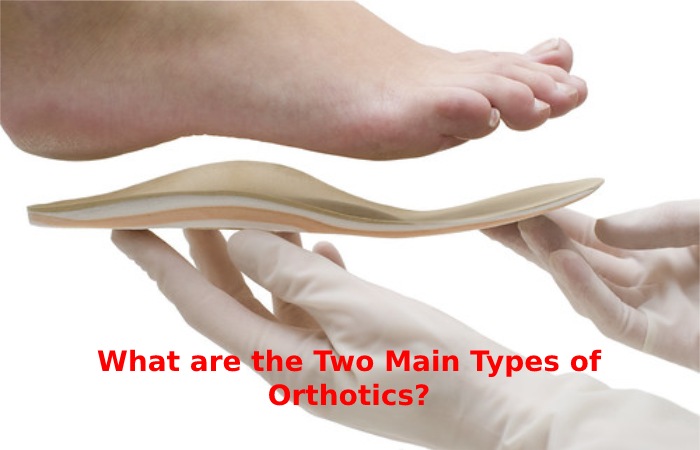
When considering orthotics, there are two primary types you can choose from general orthotics or custom orthotics. General orthotics are the more common and widely available option you can pick up at a local pharmacy. These general orthotics will usually be cheaper than the alternative, but there’s also a reason for this. Most patients note that the available version of orthotics is not as effective at providing support, stability, and pain relief as they might find from the custom version.
Why is this? Well, it’s pretty simple. General orthotics are mass-produced, unlike custom orthotics, which aren’t explicitly designed for your body and needs. Of course, the lower cost may make this option more appealing to specific consumers, but most would agree that the health benefits outweigh the initial sticker cost. Of course, you should first speak with your doctor to determine which orthotics will be ideal for your healthcare needs.
Top Benefits of Custom Orthotics
Why do people even use orthotics in the first place? In addition to providing relief from pain, there are quite a few benefits to using these devices. Receiving the proper custom orthotics designed for you offers a range of benefits.
Some of these top benefits include:
- Aids in improvement of your gait.
- Supports good posture.
- Maintains proper musculoskeletal alignment.
- Provides relief from pain.
- Relieves pressure, especially for those with arthritis.
- Corrects foot abnormalities.
- Increases comfort while walking and remaining active.
- It keeps you busy and independent.
Good posture and musculoskeletal alignment also involve the neck and upper back. For people concerned about a rounded upper back or a visible neck hump, learning how to get rid of a neck hump can provide additional context about posture, potential causes, and treatment options to discuss with a healthcare professional.
How do Custom Orthotics Work?
By now, you probably think that custom orthotics sound like a great and safe way to address various health problems. But how does this all work? The custom orthotics process is a bit more intensive instead of picking up general orthotics at your local pharmacy—but it’s worth the extra effort.
First, you’ll visit your doctor or chiropractor, who will check your shoes. Why? Because most doctors will agree that custom orthotics are only as good as the shoes, they’re used with. Next, your doctor will assess your shoes to determine the support level and if they bend precisely where they should. For some patients, simply wearing better shoes can prove effective in providing comfort and pain relief. If new shoes are necessary, they can offer recommendations to get the right pair for your gait and needs.
Next, your doctor will work to adjust your feet. Then they form the custom orthotics to your feet inside of the shoes. Once fitted, you can take a quick stroll around the office while the orthotics are set in place. You can also assess how they feel and your overall comfort level. Last, your doctor will check the orthotics to see if any minor adjustments are needed. Your doctor won’t complete the process until they’ve crafted the perfect custom orthotic for your needs.
Depending on your symptoms and mobility goals, your healthcare provider may also recommend rehabilitation exercises alongside orthotics. Understanding how physical therapy can help you manage health conditions can help you learn more about movement-based treatment, improving function, and managing discomfort as part of a broader care plan.
For individuals experiencing persistent back pain or certain spinal conditions, a specialist may discuss additional treatment options. You can learn more about spinal decompression to understand this approach and the role it may play in managing selected spinal problems. Treatment suitability depends on the individual’s condition and a professional assessment.
Conclusion
Health issues concerning the foot, ankle, or legs can cause pain and discomfort and even limit what you can do with your day. In addition, poor posture and pain felt while walking, or standing could point toward a more significant health risk affecting your entire body. Over time, this discomfort can affect your hips, knees, spinal column, and more that can only worsen. But if you’re observing for an effective way to treat walking issues, you may owe it to yourself to check out custom orthotics.
People living with ongoing fatigue or joint discomfort may also benefit from learning about other approaches to symptom management. Read more about easing chronic fatigue syndrome for information about managing persistent fatigue, and explore regenerative medicine for joint pain to learn about treatment approaches that may be discussed for certain joint conditions. Always consult a qualified healthcare professional to determine which options are appropriate for your needs.