

Last Updated: October 20, 2026
Polycystic ovary syndrome (PCOS) is a hormonal and metabolic condition that can affect menstrual cycles, ovulation, and fertility. It does not automatically lead to infertility, and many women with PCOS can become pregnant naturally. However, PCOS is a common cause of ovulation-related fertility difficulties.
PCOS affects women of reproductive age, and its symptoms and severity vary from person to person. Although there is currently no definitive cure, treatments and lifestyle changes can help manage the condition and improve the chances of conception.
Here is how PCOS can influence fertility, the symptoms to recognise, and the treatment options available.
Table of Contents
How Does PCOS Influence Fertility?
PCOS can affect the normal hormonal processes that regulate ovulation. It may involve elevated androgen levels, insulin resistance, and irregular menstrual cycles.
These changes can contribute to:
- Irregular or absent ovulation: The ovaries may not release an egg regularly, making conception more difficult.
- Elevated androgen levels: Higher levels of hormones such as testosterone can interfere with normal ovarian function.
- Insulin resistance: The body may not respond effectively to insulin, potentially contributing to increased insulin levels and hormonal imbalances.
- Irregular menstrual periods: Infrequent or unpredictable periods can make it harder to identify the fertile window.
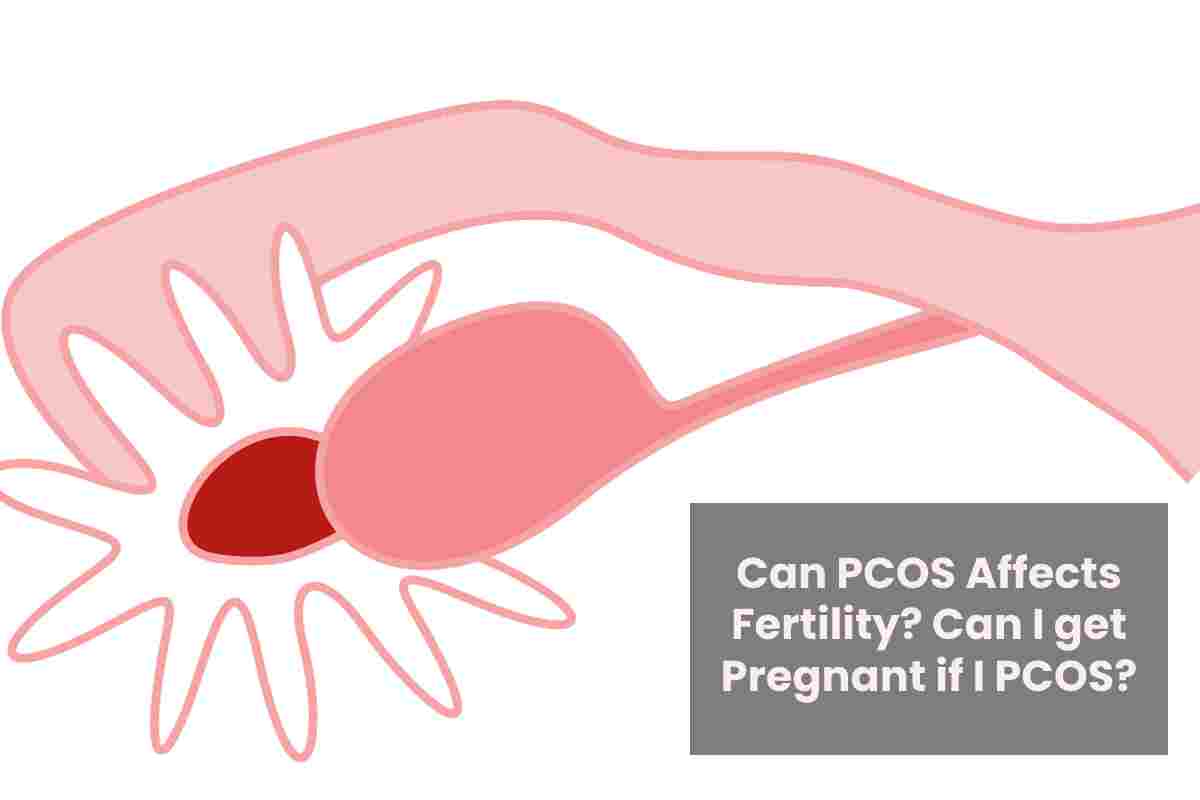
Women with PCOS may have multiple small follicles in their ovaries, which can appear on an ultrasound. Despite the condition’s name, these are not necessarily true ovarian cysts.
PCOS does not mean pregnancy is impossible. With the right treatment and support, many women can successfully conceive.
Symptoms of PCOS
Signs and symptoms of PCOS often appear during adolescence or early adulthood, although they can develop later. Common symptoms include:
- Excess facial or body hair.
- Thinning hair on the scalp.
- Oily skin or persistent acne.
- Skin tags, particularly around the neck or armpits.
- Darkened, thickened skin, especially around the neck, groin, or underneath the breasts.
- Weight gain or difficulty managing weight.
- Irregular, infrequent, or absent menstrual periods.
Some women with PCOS also experience insulin resistance, which can increase the risk of developing type 2 diabetes.
Irregular or absent periods may indicate that ovulation is not occurring consistently. However, symptoms alone cannot confirm PCOS or determine whether someone is infertile. A healthcare professional can assess symptoms, medical history, hormone levels, and other relevant factors.
Fertility Treatments for Women With PCOS
There is no definitive cure for PCOS, but treatment can help manage symptoms, improve ovulation, and address fertility concerns. The appropriate approach depends on whether a woman wants to conceive, her overall health, and any other fertility factors.
1. Healthy Lifestyle Changes
Maintaining a balanced diet, getting regular physical activity, sleeping adequately, and managing stress can support overall health and help improve some PCOS symptoms.
A healthcare professional may also recommend weight management where appropriate. However, weight loss is not necessary or suitable for everyone with PCOS, and fertility care should be personalised.
For practical dietary guidance, read our article on what should be avoided in PCOS.
Tracking menstrual cycles can also help identify patterns and support discussions with a fertility specialist. However, ovulation prediction may be less reliable when periods are irregular.
2. Clomiphene Citrate
Clomiphene citrate is an oral medication that stimulates ovulation by influencing hormonal signals between the brain and ovaries.
It may be prescribed when a woman with PCOS is not ovulating regularly. A healthcare professional determines the appropriate dose and monitors the response to treatment.
Although clomiphene can help some women ovulate, it does not work for everyone. Other treatments may be more suitable depending on individual circumstances.
3. Letrozole
Letrozole is an aromatase inhibitor that reduces estrogen production temporarily, encouraging hormonal signals that stimulate follicle development and ovulation.
It is commonly recommended as a first-line medication for ovulation induction in women with PCOS who have difficulty conceiving because they do not ovulate regularly, provided there are no other infertility factors requiring a different approach.
Letrozole should be used under medical supervision, with treatment planned around the individual’s fertility needs.
4. Metformin
Metformin is primarily used to manage type 2 diabetes and may also be prescribed to women with PCOS, particularly when insulin resistance or metabolic concerns are present.
It can help improve insulin sensitivity and may support menstrual regularity or ovulation in some women. However, it is generally less effective than letrozole or clomiphene when used alone for ovulation induction.
Women who are taking metformin but do not wish to become pregnant should discuss suitable contraception with their healthcare provider, as ovulation may become more regular.
5. Gonadotropins
Gonadotropins are injectable hormones that stimulate ovarian follicle development and can help induce ovulation when oral medications have not been successful.
Treatment requires close medical supervision, often including ultrasound monitoring and sometimes blood tests. This helps reduce the risk of multiple pregnancies and ovarian hyperstimulation syndrome.
6. Laparoscopic Ovarian Drilling
Laparoscopic ovarian drilling is a surgical option that may be considered for selected women with PCOS who do not respond to medication.
The procedure is performed under general anaesthesia. A surgeon uses a laparoscope and specialised instruments to treat small areas of ovarian tissue. This may help restore ovulation in some women.
Although ovarian drilling can be beneficial in certain cases, it is not usually the first treatment choice because surgery carries risks and its effects may not be permanent.
7. Assisted Reproductive Technology
If ovulation-induction medication is unsuccessful or additional fertility issues are present, assisted reproductive techniques such as in vitro fertilisation (IVF) may be considered.
For some individuals who require alternative reproductive options, embryo donation may also be worth discussing with a qualified fertility specialist. Suitability depends on individual medical circumstances, local regulations, and the availability of appropriate services.
A fertility specialist can explain the available options, their benefits and risks, and the likely treatment process.
When Should You Consult a Fertility Specialist?
Consider seeking medical advice if you have PCOS and:
- Your periods are consistently irregular or absent.
- You are concerned that you may not be ovulating.
- You have been trying to conceive without success.
- You have other symptoms that may indicate a hormonal or metabolic problem.
- You would like to understand which fertility treatment is most suitable for you.
A specialist can assess ovulation, review relevant blood tests, and investigate other possible causes of fertility difficulties. Depending on your circumstances, your partner may also be offered a fertility assessment.
Women exploring treatment can learn more about services at Oasis Fertility and discuss their options with a qualified healthcare professional.
Conclusion
Can PCOS affect fertility? Yes. Polycystic ovary syndrome can interfere with ovulation and make conception more difficult, particularly when menstrual cycles are irregular. However, having PCOS does not mean you cannot get pregnant.
Lifestyle changes, ovulation-induction medications, and assisted reproductive techniques can help many women with PCOS achieve pregnancy. The best approach depends on individual health, ovulation patterns, and other fertility factors.
If you have PCOS and are planning to conceive, consult a healthcare professional for an accurate assessment and a personalised treatment plan. With appropriate support, many women with PCOS can successfully become pregnant.