

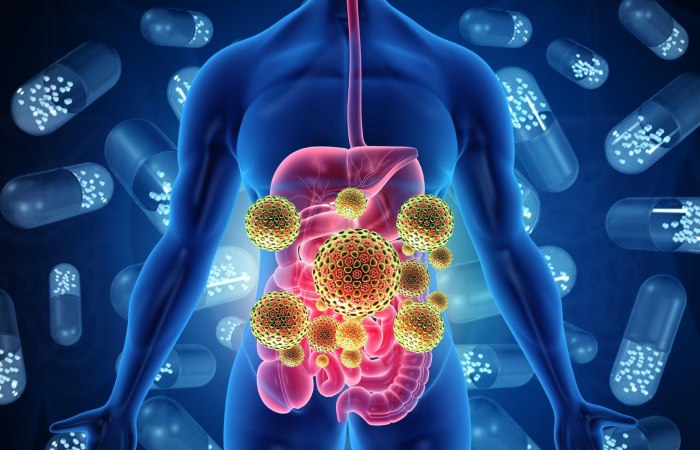
 Prebiotics are a class of substances that the gut flora breaks down. Interest in their link to general human health has grown in recent years. Their breakdown products include short-chain fatty acids that are released into the bloodstream and can feed the intestinal microbiota, which has an impact on not only the gastrointestinal tracts but also other distant organs. The two significant prebiotic oligosaccharide groups with positive impacts on human health are galacto- and fructo-oligosaccharides. Scientists are seeking to industrially create prebiotics because meals naturally contain small amounts of fructo- and galacto-oligosaccharides.
Why does prebiotic matter?
Specialized plant fibres are called prebiotics. They encourage the growth of beneficial bacteria in the stomach by acting like fertilisers. Many fruits and vegetables, especially those with complex carbohydrates like fibre and resistant starch, are rich in prebiotics.
What are some prebiotics examples?
Whole grains, bananas, greens, onions, garlic, soybeans, and artichokes are a few examples of foods that contain prebiotics. Probiotics and prebiotics are also available as dietary supplements and are added to various foods. The link between disease and the gut microbiota is still being studied.
How To Submit Your Articles?
To Write for Us, you can email at contact@healthcaresblog.com
Guest Post Submission Guidelines
Please read the following guidelines carefully before submitting your article to our website.
- Original Content: Articles must be 100% original and plagiarism-free. Copied, spun, or previously published content will not be accepted.
- Word Count: Articles must contain at least 800 words and cover the topic in sufficient detail.
- Reliable Sources: Use trustworthy references and include relevant source links to support facts and statistics.
- Content Quality: Write in simple, clear English with correct grammar and spelling.
- Short Paragraphs: Keep paragraphs short and easy to read.
- Proper Formatting: Include a clear title, introduction, headings, subheadings, and conclusion.
- Images: Provide relevant, high-quality images that are original or legally permitted for use.
- SEO Guidelines: Use keywords naturally and include only relevant, useful links. Avoid keyword stuffing and spammy links.
- Fact-Checking: Verify all information before submission. Do not include false, misleading, or unverified claims.
- AI Content: AI-assisted content must be thoroughly reviewed, fact-checked, and edited before submission.
- Ready to Publish: Submit well-formatted content with relevant links and images, ready for editorial review.
Note: We reserve the right to edit or reject any article that does not meet our editorial guidelines. Please review all requirements before submitting your guest post.
Send your article to: contact@healthcaresblog.com