
It can be fairly common for people to start their battle with acne at the local drugstore—attempting to buy what they believe to be the best options, taking to online reviews, trying out the most exciting new trends on social media, hearing what their friends say worked for them, or watching commercials about promises of clear skin in two weeks. When people’s drugstore efforts fail, many people just think this is how it’s meant to be. A small population, however, comes to the realization that the pharmacy approach will not work, and professional treatment is better. But what do people need to know when they go to a dermatologist for acne? It is a much different process than purchasing facial wash and hoping for the best!
Table of Contents
The Initial Appointment is Actual Examination
A trip to the dermatologist for acne is not a quick step as in “here’s your prescription and good luck.” An experienced professional takes the time to look at the skin—what kind of acne it is, where it presents, how bad it is, if there is scarring, what the texture is, the oiliness of the kin, what areas of inflammation and for what reasons—things people wouldn’t necessarily catch upon looking at themselves every day in the mirror.
Then they ask questions that feel trivial at times and irrelevant, like how often one’s period runs, how they feel and when (stress levels), if family members had bad acne and at what age, what topical options have been used in the past and for how long and to what success, what other medications are currently being taken (or not), if they experience intestinal issues, etc. All of this matters because acne can frequently be indicative of various hormonal functions, gastrointestinal distress or side effects from something else rather than a topical issue showing up on the face.
Pictures are taken from various angles for proper lighting. This makes sense since monitoring whether something worked over time via day-to-day visuals is impossible. The dermatologist would also take this picture for record purposes, all important to show that it’s not just an isolated incident on the face. They will also look in other areas beyond the face that patients may not have acknowledged (back, shoulders, chest) since where acne presents may also be key in determining what type of acne it could be.
A Plan for Treatment is Intentionally Plotted
Instead of prescription products for someone to try and see how it goes on its own (which may work but more than likely don’t), dermatologists give people a true game plan for treatment from the start. This can include anything from prescription topical medications that are compounded and much more intense than anything drugstore-based to procedures to help with presenting issues to preventative measures for flaring up with more treatment; oral prescriptions only if it makes sense and more preventative agents.
This plan is crafted based on what’s actually seen rather than a generic approach given that someone on the front line knows exactly what’s going on. Someone who has massive cystic growths needs an entirely different response than someone who has a high concentration of blackheads and whiteheads. Jawline and neck acne often speaks to hormonal causes that require different responses than forehead-centered ones caused by hair products or ball caps daily.
This also means that professional options far outweigh pharmacy-based opportunities. Prescription retinoids work faster and better than their over-the-counter versions; topical antibiotics address specific types of bacterial issues that general products don’t even touch. When it gets to strategies used for Acne treatment in the UK (the actual technology) it works on a basis that is entirely different than a traditional topical or oral product—very advantageous for those who either cannot take prescriptions or simply choose not to.
Procedures Not Possible At Home Occur with Ease
There are things that professional treatment includes that are not suitable at home. Extractions—getting rid of blackheads/whiteheads with proper tools in a safe environment—cleans out pores without irritation as seen from everyday squeezing at home. Chemical peels that are stronger than anything sold in stores go deeper and help relieve flare-ups/inflammation as safe alternatives without introducing a world of unnecessary stressors.
Cortisone injections into cystic spots shrink them within a couple days; those who have had that red spot under their skin for three weeks know they only want a quick fix—they want them gone; this is helpful because no cream is going to do as good as a job as localized injection will get. The difference between waiting three weeks for something to go away on its own versus having it gone within 48 hours is huge.
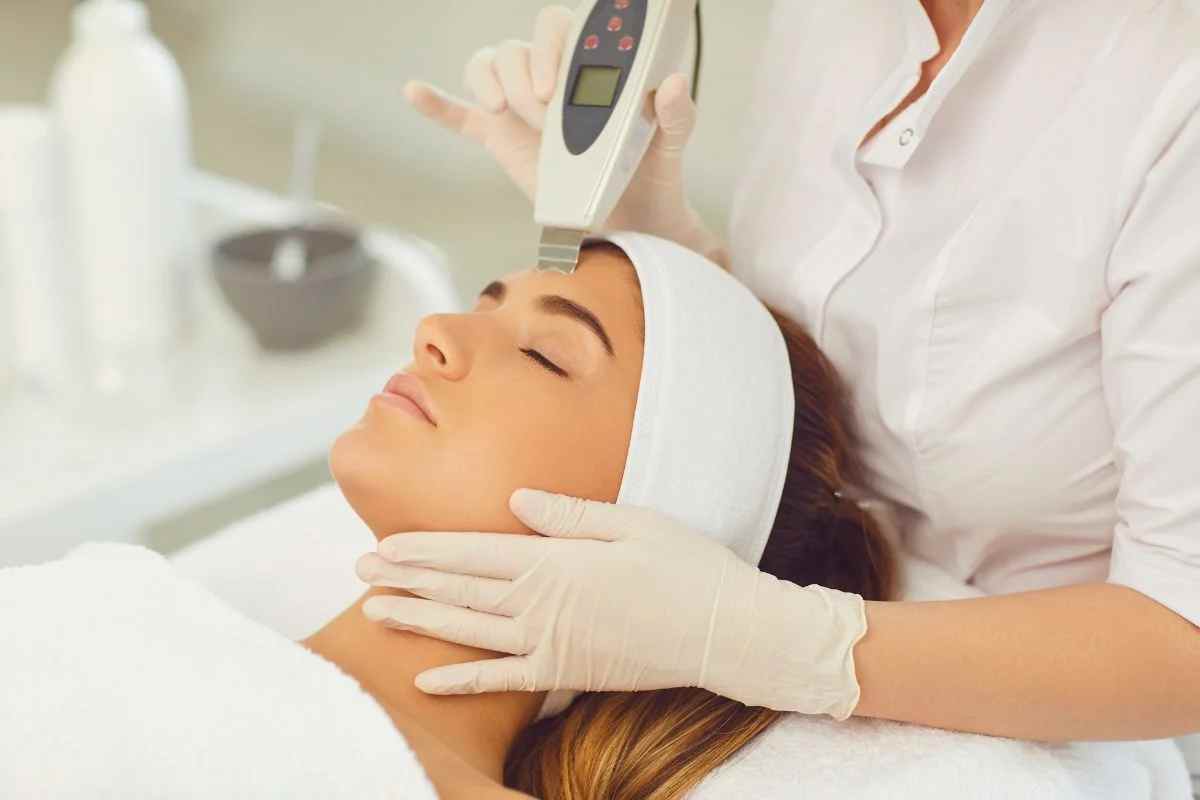
In addition, light/laser treatments serve a whole different realm of management that will never exist outside of professional settings. Light works on acne via mechanisms that other topicals do not—deadening bacteria in the first place; decreased oil production; inflammation reduction that surface-oriented options cannot deliver. As technology develops with new lasers available, more information serves as reliable treatment for various types of acne over time.
Consistent Check-Ins are Expected
Professionalized treatment includes check-in appointments as the results hopefully start happening. Skin doesn’t always respond predictably, and often, professionals who want to help need to reassess what’s happening sooner than later before people get derailed with information they could have avoided hearing sooner than later—or making the changes sooner than later.
How often these meetings occur depends on what was given—someone on aggressive medication may require a check-in every two weeks to see how it’s responding while someone who has prescribed topical ointment needs may check in on a monthly or bi-monthly basis instead. This vastly differentiates anyone from anyone trying treatment on their own since professionals can tell them what’s working and what’s not instead of guessing, waiting indefinitely, or wondering when it’s time to try something else!
These visits also help limit side effects before they’re a reason to stop exploring. Most medications cause some dryness/irritation at first—and while that’s expected and people learn how to deal with it over time themselves since they can understand this reduced need to deprive oneself of something that could actually help.
Understanding Why Things Work/Don’t Work
Good professional help means that someone takes the time to explain what’s actually going on with the person’s acne and why certain treatments were chosen; for people struggling with self-esteem already, this additional reassurance/collaboration helps keep them focused on the task due to a trustworthy bond that’s developed—people are much more likely to listen if they understand why instead of blindly following protocols.
It’s crucial also because it allows them to better understand what’s happening moving forward and helps better address skincare products/lifestyle preferences moving forward when they learn better about their skin and their response patterns.
The Cost/Time Factor Realism
Professionalized solutions cost far more than drugstore options—what starts off as $15 keeps rising after appointments and check-ins turn into medications (that aren’t subsidized through NHS), it’s easily paid out of pocket—and while expensive over time as people buy products they’ve found ineffective over months/years at least now it’s going toward something that works.
Knowing When It’s Time For Help
Not everyone should seek professional attention for acne; mild breakouts here and there respond well enough based on normal consistency and over-the-counter products available but once they’re severe or clearly persist and causing scarring or taking away from one’s quality of life, it’s time for professional treatment!