
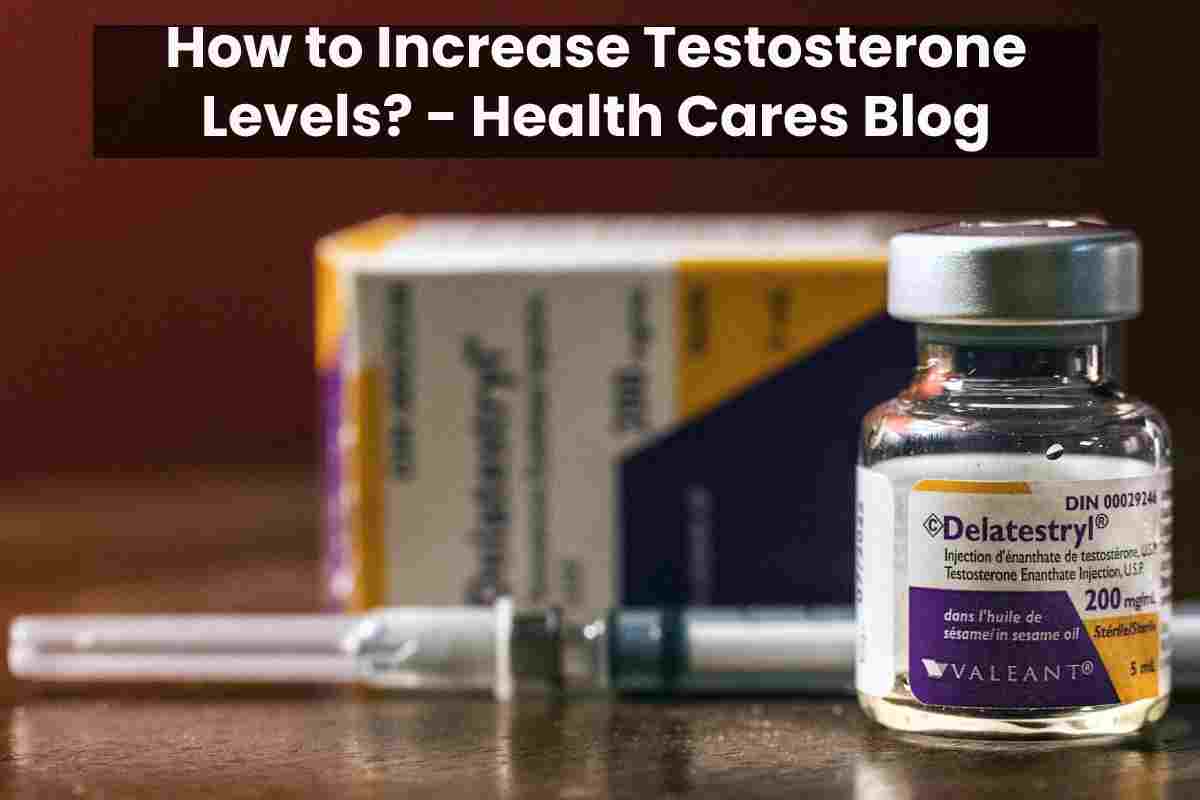
Feeling constantly fatigued, losing muscle despite working out, experiencing low libido, or noticing brain fog that won’t lift? These could be signs of declining testosterone—a hormone that affects far more than just sexual function.
For men over 30, testosterone drops approximately 1% each year. By age 45, nearly 40% of Indian men experience symptoms of low testosterone, yet most never address it because they don’t know where to start or believe it’s just “part of aging.”
The truth? While age-related decline is natural, how to increase testosterone levels effectively involves strategic lifestyle interventions that can restore vitality, strength, and mental clarity—often without medication.
This comprehensive guide reveals 12 research-backed methods to naturally optimize your testosterone, when to consider medical help, and the mistakes that secretly sabotage your hormonal health.
Table of Contents
What Is Testosterone and Why Does It Matter?
Testosterone is the primary male sex hormone produced mainly in the testes (and in smaller amounts in women’s ovaries). It’s responsible for:
- Muscle mass and bone density
- Fat distribution and metabolism
- Red blood cell production
- Sex drive and sperm production
- Mood regulation and cognitive function
- Energy levels and motivation
Peak testosterone occurs between ages 20-30 (600-900 ng/dL). After 30, levels decline naturally, but factors like obesity, stress, poor sleep, and sedentary lifestyle accelerate this drop dramatically.
Normal Testosterone Ranges
| Age Group | Normal Range (ng/dL) | Optimal Range |
|---|---|---|
| 20-29 years | 600-900 | 700-900 |
| 30-39 years | 500-800 | 650-850 |
| 40-49 years | 450-700 | 600-750 |
| 50+ years | 400-600 | 500-700 |
Levels below 300 ng/dL typically require medical intervention. Between 300-500 ng/dL, natural methods combined with medical guidance work best.
Who Needs to Increase Testosterone Levels?
You May Benefit If You Experience:
- Persistent fatigue despite adequate sleep
- Difficulty building or maintaining muscle mass
- Increased body fat, especially around the abdomen
- Reduced libido or erectile dysfunction
- Depression, irritability, or mood swings
- Brain fog and poor concentration
- Decreased bone density or joint pain
- Hair loss or reduced facial hair growth
Who Should Prioritize This:
- Men aged 35+ experiencing multiple symptoms
- Athletes noticing performance decline
- Individuals with metabolic syndrome or type 2 diabetes
- Those recovering from chronic illness or stress
- Men with family history of hormonal issues
When to See a Doctor Immediately:
- Sudden, severe drop in energy or libido
- Unexplained testicular pain or swelling
- Breast tissue enlargement (gynecomastia)
- Symptoms appearing before age 30
- Testosterone levels below 300 ng/dL on blood tests
12 Proven Ways to Increase Testosterone Levels Naturally
1. Prioritize Heavy Resistance Training

Compound exercises like squats, deadlifts, bench presses, and rows trigger the most significant testosterone release. Studies show that lifting heavy weights (75-85% of your one-rep max) for 3-5 sets increases testosterone by 15-40% immediately post-workout.
What Works:
- Train 4-5 times weekly focusing on major muscle groups
- Keep rest periods between 60-90 seconds
- Emphasize progressive overload (gradually increase weight)
- Avoid overtraining—more isn’t always better
Real-World Application: A 42-year-old software engineer increased his testosterone from 380 ng/dL to 580 ng/dL in 16 weeks by switching from cardio-only workouts to 4 weekly strength sessions focusing on squats, deadlifts, and overhead presses.
2. Optimize Sleep Quality and Duration
Sleep deprivation decimates testosterone. One study found that men sleeping 5 hours nightly had 10-15% lower testosterone than those getting 8 hours. Most testosterone production occurs during REM sleep.
Sleep Optimization Strategy:
- Aim for 7-9 hours consistently
- Maintain the same sleep-wake schedule, even weekends
- Keep bedroom temperature at 65-68°F (18-20°C)
- Eliminate blue light exposure 2 hours before bed
- Consider blackout curtains and white noise machines
Common Mistake: Catching up on weekends doesn’t compensate for weekday sleep debt. Your body needs consistent, quality sleep every night.
3. Manage Stress and Lower Cortisol
Chronic stress elevates cortisol, which directly inhibits testosterone production. The relationship is inverse—when cortisol goes up, testosterone comes down.
Stress Reduction Techniques:
- Practice 10-15 minutes daily meditation or deep breathing
- Spend time in nature weekly (shown to reduce cortisol by 21%)
- Engage in hobbies unrelated to work
- Limit news consumption and social media scrolling
- Consider adaptogenic herbs like Ashwagandha (300-600mg daily)
According to the Mayo Clinic, chronic stress management is fundamental to maintaining optimal hormonal balance and overall health.
4. Increase Vitamin D Intake
Vitamin D functions more like a hormone than a vitamin and directly impacts testosterone production. Nearly 70% of Indian men are vitamin D deficient due to limited sun exposure and indoor lifestyles.
How to Optimize Vitamin D:
- Get 15-20 minutes of direct sunlight daily (arms and legs exposed)
- Supplement with 2,000-4,000 IU daily if deficient
- Consume vitamin D-rich foods: fatty fish, egg yolks, fortified milk
- Get levels tested annually (optimal range: 40-60 ng/mL)
Research shows men with adequate vitamin D have 30% higher testosterone than deficient men.
5. Consume Adequate Healthy Fats
Testosterone is synthesized from cholesterol. Low-fat diets actually reduce testosterone production by 10-15%. Your body needs healthy fats to manufacture hormones.
Best Fat Sources for Testosterone:
- Monounsaturated fats: Olive oil, avocados, almonds, cashews
- Saturated fats: Coconut oil, ghee, grass-fed butter (in moderation)
- Omega-3 fats: Fatty fish (salmon, mackerel), walnuts, flaxseeds
- Whole eggs: Contains cholesterol needed for hormone production
Ideal Macronutrient Split:
- 25-35% of calories from healthy fats
- 30-35% from protein
- 30-40% from complex carbohydrates
6. Ensure Sufficient Zinc Intake
Zinc is crucial for testosterone production and sperm quality. Deficiency is common among vegetarians and those with digestive issues. Even mild zinc deficiency can reduce testosterone by 25-40%.
Top Zinc-Rich Foods:
- Oysters (highest source: 74mg per 100g)
- Red meat and poultry
- Pumpkin seeds and sesame seeds
- Chickpeas and lentils
- Cashews and almonds
Supplementation: 15-30mg daily if dietary intake is insufficient. Avoid exceeding 40mg daily as excess zinc interferes with copper absorption.
7. Maintain Healthy Body Weight
Obesity is one of the strongest suppressors of testosterone. Fat tissue contains aromatase enzyme, which converts testosterone to estrogen. Men with BMI over 30 have 30% lower testosterone than lean men.
Weight Management Strategies:
- Create a moderate calorie deficit (300-500 calories below maintenance)
- Focus on whole foods over processed options
- Increase protein to 1.6-2.2g per kg body weight to preserve muscle
- Combine strength training with moderate cardio
- Target losing 0.5-1% body weight weekly
Critical Insight: Crash diets and extreme calorie restriction actually lower testosterone. Sustainable, gradual weight loss protects hormonal health.
8. Limit Alcohol Consumption
Alcohol directly damages Leydig cells in testes, which produce testosterone. Even moderate drinking (2-3 drinks daily) reduces testosterone by 6-10%. Chronic heavy drinking can cause levels to drop by 50%.
Safe Alcohol Guidelines:
- Limit to 1-2 drinks maximum on occasion
- Avoid daily drinking
- Choose red wine over beer (beer contains phytoestrogens from hops)
- Stay hydrated and never drink on empty stomach
What Happens When You Quit: Men who stopped drinking for 30 days saw testosterone increase by 12-15% on average, with benefits becoming more pronounced after 90 days.
9. Include High-Intensity Interval Training (HIIT)
While excessive endurance cardio can lower testosterone, short bursts of high-intensity exercise increase it significantly. HIIT triggers growth hormone and testosterone release.
Effective HIIT Protocol:
- 20-30 minutes, 2-3 times weekly
- 30 seconds maximum effort followed by 60-90 seconds recovery
- Examples: Sprint intervals, battle ropes, burpees, cycling sprints
- Keep sessions under 45 minutes total
Why It Works: HIIT improves insulin sensitivity, reduces body fat, and triggers hormonal cascade that supports testosterone production.
10. Reduce Exposure to Endocrine Disruptors
Environmental chemicals mimic or block hormones. BPA in plastics, phthalates in personal care products, and pesticides in food all suppress testosterone.
Practical Detox Steps:
- Use glass or stainless steel containers instead of plastic
- Choose organic produce for the “Dirty Dozen” high-pesticide foods
- Avoid heating food in plastic containers
- Select natural, fragrance-free personal care products
- Filter drinking water to remove contaminants
Hidden Source: Thermal receipts contain BPA. Decline or wash hands after handling.
11. Consider Evidence-Based Supplements
While most “testosterone boosters” are marketing hype, a few supplements have solid research backing:
Ashwagandha (KSM-66): 300-600mg daily increases testosterone by 15-17% in 8-12 weeks while reducing cortisol.
D-Aspartic Acid: 2,000-3,000mg daily for 12 weeks may increase testosterone by 30-60% in men with low baseline levels. Effects plateau after initial boost.
Fenugreek Extract: 500-600mg daily improves testosterone utilization and libido.
Magnesium: 300-400mg daily supports testosterone production, especially in athletes and active individuals.
Warning: Avoid proprietary blends with undisclosed ingredients. Always consult healthcare provider before starting supplements, especially if you have existing health conditions.
12. Optimize Meal Timing and Avoid Chronic Calorie Restriction
Intermittent fasting (IF) shows mixed results. Short-term IF (16:8) may boost testosterone by 13-17%, but prolonged calorie restriction tanks it by 20-30%.
Smart Nutrition Timing:
- Eat adequate calories—don’t chronically under-eat
- Consider eating largest meals post-workout when insulin sensitivity is high
- Avoid eating large meals right before bed
- Don’t skip breakfast if you train in the morning
- Ensure 1.5-2g protein per kg body weight daily
Carbohydrate Consideration: Very low-carb diets (<50g daily) may reduce testosterone in active individuals. Include complex carbs around workouts.
Common Mistakes That Lower Testosterone
Overtraining Without Adequate Recovery Training 6-7 days weekly with insufficient rest elevates cortisol and suppresses testosterone. Your body needs recovery to produce hormones optimally.
Relying on Supplements Alone No pill can compensate for poor sleep, chronic stress, or terrible diet. Supplements enhance an already solid foundation—they’re not magic bullets.
Ignoring Mental Health Depression and anxiety independently lower testosterone. Addressing mental health through therapy or counseling often improves hormonal balance.
Excessive Endurance Cardio Marathon training and long-distance cycling can reduce testosterone by 20-30%. Balance is key—some cardio is beneficial, but excessive amounts backfire.
Using Anabolic Steroids Casually Exogenous testosterone shuts down natural production. When you stop, your body may not recover fully, leading to permanent hypogonadism.
Myths vs Facts About Testosterone
Myth 1: Only Older Men Have Low Testosterone Fact: Men in their 20s and 30s increasingly experience low T due to obesity, stress, poor sleep, and environmental toxins. Age is just one factor.
Myth 2: Testosterone Therapy Is Dangerous Fact: Medically supervised testosterone replacement therapy (TRT) is safe for most men when properly monitored. The risk comes from unsupervised use or abuse.
Myth 3: High Testosterone Causes Aggression Fact: There’s no direct correlation between normal-to-high testosterone and aggression. Low testosterone actually correlates more with irritability and mood instability.
Myth 4: You Can’t Build Muscle with Low Testosterone Fact: While harder, muscle building is possible with consistent training and nutrition. Optimizing testosterone just makes it significantly easier.
Myth 5: Plant-Based Diets Always Lower Testosterone Fact: Well-planned vegetarian/vegan diets with adequate protein, healthy fats, and zinc maintain normal testosterone. Poor planning is the issue, not the diet itself.
When Natural Methods Aren’t Enough: Medical Interventions
If lifestyle changes don’t improve testosterone after 12-16 weeks, or if levels are below 300 ng/dL, medical intervention may be necessary.
Testosterone Replacement Therapy (TRT) Options:
Injectable Testosterone
- Administered weekly or bi-weekly
- Most cost-effective option (₹1,500-₹3,000 monthly in India)
- Requires regular injections
Topical Gels
- Applied daily to shoulders or abdomen
- Convenient but more expensive (₹5,000-₹8,000 monthly)
- Risk of transfer to partners or children
Testosterone Pellets
- Implanted under skin every 3-6 months
- Most convenient long-term option
- Higher upfront cost
What to Expect with TRT:
- Energy improvements within 2-4 weeks
- Increased muscle mass and strength in 3-6 months
- Enhanced libido and mood within 4-8 weeks
- Fat loss becomes easier after 3 months
- Requires lifelong commitment and regular monitoring
According to the World Health Organization, hormonal health interventions should always be monitored by qualified healthcare professionals to ensure safety and efficacy.
Realistic Timeline: When to Expect Results
Weeks 1-4:
- Sleep quality improves
- Energy levels begin stabilizing
- Mood enhancement becomes noticeable
Weeks 5-8:
- Strength gains in gym workouts
- Slight improvements in body composition
- Enhanced mental clarity
Weeks 9-16:
- Measurable testosterone increase (10-25% for most men)
- Visible muscle mass improvements
- Fat loss acceleration
- Improved libido and sexual function
6+ Months:
- Sustained hormonal optimization
- Significant body composition changes
- Stable energy and motivation
- Long-term health benefits
Key Point: Natural methods work gradually. Consistency matters more than perfection. Expecting overnight results leads to frustration and abandoning effective strategies.
Real Case Study: 90-Day Testosterone Transformation
Subject: Rajesh, 38-year-old marketing professional, Delhi
Starting Point:
- Testosterone: 320 ng/dL
- Body fat: 28%
- Energy: 3/10
- Sleep: 5-6 hours nightly
- Exercise: None
Protocol Implemented:
- 4x weekly strength training (45 minutes)
- Sleep extended to 7.5 hours with strict schedule
- Vitamin D supplementation (3,000 IU daily)
- Increased protein and healthy fats
- Stress management through morning meditation
- Reduced alcohol from 5-6 drinks weekly to 1-2
Results After 90 Days:
- Testosterone: 485 ng/dL (51% increase)
- Body fat: 22% (6% reduction)
- Energy: 8/10
- Sleep quality: Significantly improved
- Strength: Deadlift increased from 60kg to 100kg
Key Takeaway: Combining multiple strategies creates synergistic effects. Rajesh didn’t do anything extreme—he consistently applied evidence-based principles.
Foods That Specifically Boost Testosterone
 Protein Sources:
- Grass-fed beef (zinc, B vitamins)
- Wild-caught salmon (omega-3, vitamin D)
- Whole eggs (cholesterol, vitamin D, B6)
- Greek yogurt (probiotics support hormonal balance)
Vegetables:
- Broccoli, cauliflower (reduce estrogen)
- Spinach, kale (magnesium)
- Onions and garlic (flavonoids boost testosterone)
Fruits:
- Pomegranates (increase testosterone by 16-30%)
- Berries (antioxidants protect Leydig cells)
- Avocados (monounsaturated fats, B vitamins)
Nuts and Seeds:
- Brazil nuts (selenium—crucial for testosterone)
- Pumpkin seeds (zinc powerhouse)
- Walnuts (omega-3)
Indian Diet Additions:
- Ghee (healthy saturated fat)
- Paneer (protein, zinc)
- Moong dal (protein, folate)
- Almonds soaked overnight (improves nutrient absorption)
Testing Your Testosterone Levels
When to Get Tested:
- If experiencing multiple symptoms for 3+ months
- Before starting any supplementation program
- Every 6-12 months to track progress
- Always test in the morning (8-10 AM) when levels peak
What to Test:
- Total Testosterone: Overall hormone level
- Free Testosterone: Biologically active form
- SHBG (Sex Hormone-Binding Globulin): Affects free testosterone availability
- LH and FSH: Indicates if testes are functioning properly
- Estradiol: Should be balanced with testosterone
Cost in India: ₹800-₹2,500 depending on lab and comprehensive panel selection. Most tier-1 cities offer home collection services.
Safety Considerations and Side Effects
Natural Methods Are Generally Safe, But Monitor:
- Joint pain from heavy lifting (reduce weight, improve form)
- Digestive issues from supplements (take with food)
- Insomnia if exercising too close to bedtime (train earlier)
Red Flags to Watch For:
- Testicular shrinkage (indicates external testosterone use)
- Breast tissue development
- Severe acne outbreak
- Dramatic mood swings
- Rapid weight gain or loss
Who Should Be Cautious:
- Men with prostate issues or family history of prostate cancer
- Those with cardiovascular disease (consult cardiologist)
- Individuals with sleep apnea
- Anyone with polycythemia (high red blood cell count)
Maintaining Optimal Testosterone Long-Term
Sustainability Principles:
- Build Habits, Not Rely on Motivation: Make training, sleep, and nutrition automatic through routine
- Track Objectively: Use gym logs, sleep apps, and periodic blood tests
- Adjust Gradually: Small, consistent improvements compound over years
- Address Root Causes: Fix stress, sleep, and diet before adding supplements
- Stay Educated: Research evolves; update your approach based on new evidence
80/20 Rule Application: Focus on the 20% of actions that deliver 80% of results:
- Quality sleep (7-9 hours)
- Heavy resistance training (3-4x weekly)
- Adequate protein and healthy fats
- Stress management
- Maintaining healthy body weight
Final Verdict: What Works, What Doesn’t
Proven Effective: ✓ Strength training and HIIT ✓ 7-9 hours quality sleep ✓ Stress reduction and cortisol management ✓ Vitamin D and zinc optimization ✓ Healthy fats at 25-35% of calories ✓ Maintaining lean body composition ✓ Limiting alcohol and eliminating smoking
Limited or Mixed Evidence: △ Intermittent fasting (depends on individual) △ Most herbal supplements beyond Ashwagandha △ Cold therapy and ice baths △ Specific “testosterone-boosting” exercises
Ineffective or Harmful: ✗ Most commercial testosterone boosters ✗ Extremely low-fat diets ✗ Chronic calorie restriction ✗ Excessive endurance training ✗ Unregulated hormone supplements
The Bottom Line on How to Increase Testosterone Levels:
Natural testosterone optimization isn’t about finding one magic solution—it’s about systematically addressing lifestyle factors that either support or suppress hormonal health. Most men see measurable improvements by fixing sleep, training intelligently, managing stress, and eating to support hormone production.
For mild to moderate decline, these methods work remarkably well and come with zero side effects (unlike synthetic interventions). For severe deficiency, they provide the foundation that makes medical therapy more effective and sustainable.
The key is consistency over intensity. Three months of solid implementation beats years of sporadic effort. Start with the fundamentals—sleep, training, stress—then optimize nutrition and consider targeted supplementation. Test, track, adjust, and give your body time to respond.
Your testosterone levels reflect how well you’re treating your body overall. Improve them, and you’ll not only feel more energetic and capable, but you’ll also be building a foundation for long-term health, vitality, and quality of life well into your later years.
FAQs About How to Increase Testosterone Levels
Q1: How quickly can I naturally increase my testosterone levels?
Most men see measurable improvements (10-20% increase) within 8-12 weeks of consistent lifestyle changes. Energy and mood improve within 3-4 weeks, while body composition changes take 3-6 months.
Q2: What is the fastest way to boost testosterone?
The fastest natural method is optimizing sleep quality. Men who improve sleep from 5 to 8 hours nightly see 10-15% testosterone increase within 2 weeks. Combined with strength training, effects amplify.
Q3: Can diet alone significantly increase testosterone?
Diet contributes 30-40% to testosterone optimization. Increasing healthy fats, zinc, and vitamin D while reducing processed foods can boost levels 15-25%, but combining diet with exercise and sleep yields best results.
Q4: Does masturbation lower testosterone?
No. Normal sexual activity, including masturbation, doesn’t negatively impact testosterone levels. Brief temporary increases occur during arousal, but long-term levels remain stable regardless of frequency.
Q5: Are testosterone supplements safe?
Evidence-based supplements like Ashwagandha, D-Aspartic Acid, and basic vitamins (D, Zinc, Magnesium) are generally safe at recommended doses. Avoid proprietary blends with undisclosed ingredients. Consult healthcare provider before starting.
Q6: Will increasing testosterone help me lose belly fat?
Yes, but it’s bidirectional. Higher testosterone helps reduce visceral fat, but losing belly fat also increases testosterone. Combined approach (diet + exercise + lifestyle optimization) works best.
Q7: At what age should men start worrying about testosterone?
Monitor symptoms rather than age. While decline begins after 30, some men maintain optimal levels into their 60s. If experiencing multiple low-T symptoms at any age, get tested.
Q8: Can stress alone cause low testosterone?
Yes. Chronic stress elevates cortisol, which directly suppresses testosterone production. Men under severe chronic stress can see levels drop 20-30% even with otherwise healthy lifestyles.
Q9: Is testosterone replacement therapy permanent?
TRT typically requires lifelong commitment. Natural testosterone production may not fully recover after stopping, especially after long-term use. That’s why exhausting natural methods first is crucial.
Q10: Do cold showers increase testosterone?
Limited evidence suggests brief cold exposure may marginally increase testosterone temporarily, but effects are minimal compared to proven methods like strength training and sleep optimization. Not a primary strategy.
Final Conclusion
Learning how to increase testosterone levels naturally empowers you to take control of your hormonal health without immediately resorting to medical interventions. By prioritizing strength training, optimizing sleep, managing stress, consuming adequate healthy fats and zinc, and maintaining a healthy body weight, most men can achieve 15-30% improvements in testosterone within 3-4 months. While age-related decline is inevitable, the rate and severity are largely within your control through consistent lifestyle optimization. Whether you’re experiencing early symptoms or proactively protecting your hormonal health, the strategies outlined here provide a science-backed roadmap to sustained vitality, strength, and well-being throughout your life.