
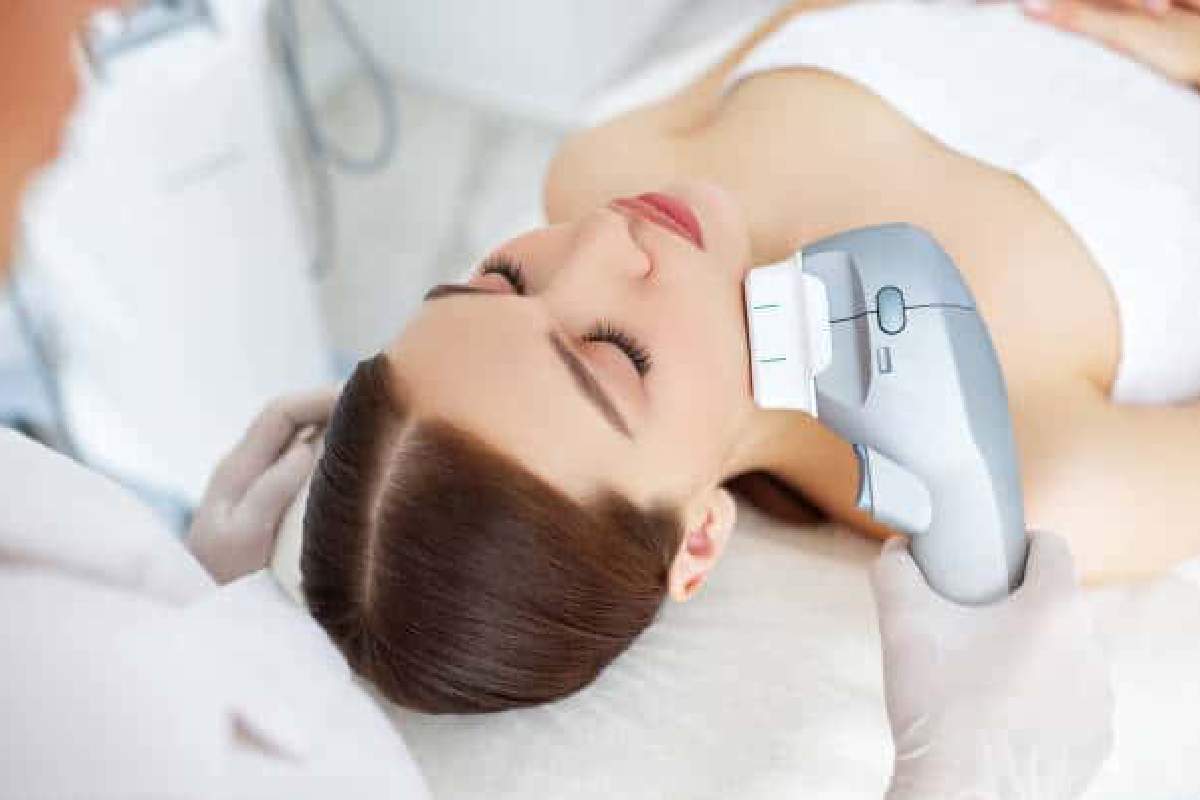
As skin ages, its structure changes in ways that gradually alter facial shape and surface texture. From the third decade of life onward, collagen production declines by roughly 1 percent per year, while elastin fibers become less organized and less able to recoil after stretching. These microscopic changes translate into visible features such as skin laxity, loss of jawline definition, and a less firm mid-face. In aesthetic and medical dermatology, much of facial rejuvenation focuses on supporting the skin’s own repair mechanisms rather than simply masking surface lines.
High-intensity focused ultrasound, often discussed in the context of hifu treatment Singapore clinics, is one of the technologies designed to influence deeper layers of the skin. By delivering targeted ultrasound energy below the surface, it aims to stimulate collagen remodeling in areas that topical products cannot reach.
Table of Contents
Why Supporting Collagen Matters With Age
Collagen is the primary structural protein of the dermis, accounting for most of its tensile strength. With aging, fibroblasts produce less new collagen, while enzymes known as matrix metalloproteinases break down existing fibers more rapidly. In addition, repetitive facial movement and gravity cause soft tissues to descend over time.
These changes do not only affect appearance. Thinner, weaker dermal layers may also compromise the skin barrier, reduce wound-healing capacity, and make blood vessels more visible. For these reasons, many clinicians view collagen support as part of broader skin health rather than purely cosmetic enhancement.
Screening and Early Identification of Skin Laxity
The degree and pattern of facial aging vary widely among individuals. During a clinical assessment, a dermatologist typically evaluates skin thickness, elasticity, and distribution of fat and connective tissue. Palpation can reveal areas where the skin is beginning to separate from underlying structures, particularly along the jawline and cheeks.
Some clinics use ultrasound imaging or cutometry to estimate dermal thickness and elasticity. Establishing a baseline may help determine whether non-invasive procedures are appropriate or whether changes are already too advanced to respond meaningfully to energy-based devices.
Daily Care and Lifestyle Influences
Although in-clinic technologies can stimulate collagen, daily habits strongly influence how quickly collagen is lost. Chronic ultraviolet exposure accelerates the activity of collagen-degrading enzymes, which is why sun-exposed skin often appears looser and more wrinkled. Broad-spectrum sunscreens with an SPF of at least 30 reduce this damage by limiting UVA and UVB penetration.
Smoking further impairs collagen integrity by reducing blood flow and introducing free radicals that degrade connective tissue. Adequate sleep and balanced nutrition also matter, as collagen synthesis requires amino acids and vitamin C. While these measures do not reverse established laxity, they may help preserve the effects of procedural treatments.
Age-Related and Chronic Skin Changes
Skin laxity often coexists with other age-related changes. Loss of subcutaneous fat in the temples and cheeks can make the face appear hollow, while thinning skin may highlight fine blood vessels. Some individuals also develop pigmentary irregularities or actinic damage from years of sun exposure.
Chronic inflammatory conditions, such as rosacea, may further weaken the skin barrier and contribute to visible aging. These overlapping issues mean that treatment planning usually involves more than one modality to address different layers and mechanisms.
Prescription Products Compared With Over-the-Counter Options
Topical products play a supportive role in maintaining skin quality. Over-the-counter formulations often contain retinol at concentrations below 1 percent, as well as antioxidants such as vitamin C derivatives. These may modestly improve fine lines and texture over time.
Prescription retinoids, such as tretinoin at 0.025 to 0.1 percent, have stronger evidence for increasing collagen synthesis and normalizing epidermal turnover. Clinical studies suggest that consistent use over three to six months can reduce the appearance of fine wrinkles and mottled pigmentation. Because these agents can cause irritation, dosing and frequency are usually adjusted by a healthcare professional.
In-Clinic Procedures for Collagen Stimulation
HIFU delivers focused ultrasound energy to precise depths, often between 1.5 and 4.5 millimeters, targeting the deep dermis and the superficial musculoaponeurotic system. The heat generated in these zones creates controlled micro-injuries that initiate a wound-healing cascade, leading to new collagen formation over several months.
Other technologies also aim to stimulate collagen. Radiofrequency devices heat the dermis using electrical energy, while fractional lasers create microscopic columns of thermal damage. Injectable biostimulatory fillers can further encourage fibroblast activity. The choice among these options depends on skin thickness, degree of laxity, and patient tolerance for downtime.
What Our Dermatologist Says
In my practice, I find that patients sometimes expect immediate tightening after energy-based treatments. In reality, collagen remodeling is gradual. When ultrasound or radiofrequency is applied, the body needs weeks to lay down new fibers, so changes often appear slowly over two to four months.
I also emphasize that no single device addresses every aspect of aging. Combining topical therapy, sun protection, and carefully selected procedures tends to produce more balanced and durable outcomes.
Putting This Into Practice
- Have your skin assessed to determine the pattern and extent of laxity
- Use daily sun protection to reduce ongoing collagen breakdown
- Consider prescription retinoids if appropriate for your skin type
- Maintain a diet with adequate protein and vitamin C
- Discuss procedural options with a qualified clinician
When to Seek Professional Help
- Progressive facial sagging affecting the jawline or cheeks
- Skin thinning with visible blood vessels
- Slow healing or frequent bruising
- Uneven pigmentation combined with laxity
- Interest in non-invasive tightening procedures
Commonly Asked Questions
How long do HIFU results usually last?
Many patients notice effects for 6 to 12 months, though individual response and aging rate vary.
Is HIFU suitable for all skin tones?
Because ultrasound bypasses the surface layer, it is generally considered safe across skin types, but assessment is still required.
Can topical products replace device-based treatments?
Topical products support skin health but typically do not reach the deeper layers needed for significant tightening.
What side effects are common?
Temporary redness, swelling, or mild tenderness may occur, usually resolving within days.
How often should treatments be repeated?
Protocols vary, but some individuals undergo annual sessions to maintain collagen support.
Next Steps
Supporting collagen is a gradual process that depends on both daily care and evidence-based procedures. If changes in skin firmness or facial contour are becoming noticeable, a consultation with a dermatologist can help clarify which options are appropriate for your skin and health profile.