
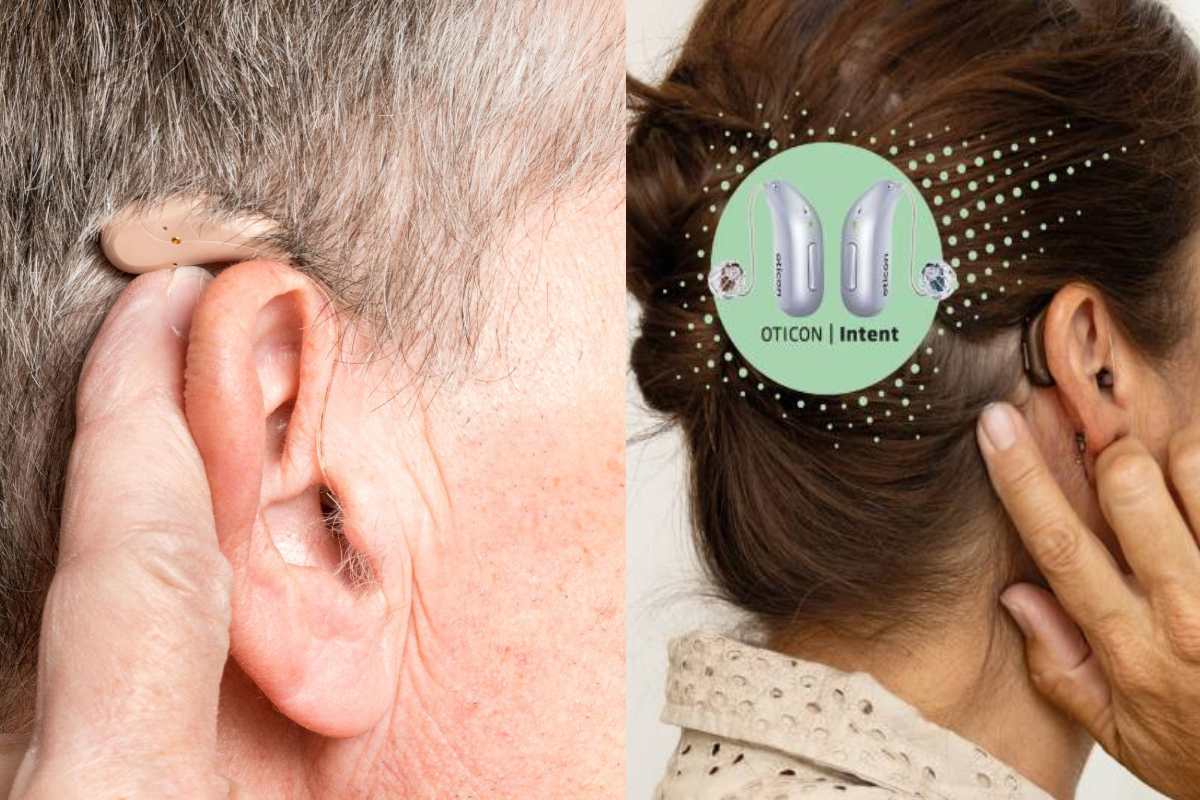
Losing clarity in conversations, missing doorbells, or constantly asking people to repeat themselves can be frustrating. For many Indians dealing with mild hearing challenges, Hearzap Smart Hearing Aid has emerged as an accessible solution that doesn’t require a prescription or expensive audiologist visits.
But does this affordable device actually deliver on its promises, or is it just another gadget that under-performs when you need it most?
In this guide, we’ll break down everything you need to know about Hearzap Smart Hearing Aid—from how it works and who benefits most, to pricing, limitations, and whether it’s the right choice for your specific hearing needs in 2026.
Table of Contents
What Is Hearzap Smart Hearing Aid?
Hearzap Smart Hearing Aid is an over-the-counter (OTC) hearing amplification device designed for adults with perceived mild to moderate hearing loss. Unlike prescription hearing aids that require clinical testing and custom fitting, Hearzap can be purchased directly online and adjusted at home using a smartphone app.
The device uses digital sound processing to amplify environmental sounds, reduce background noise, and enhance speech clarity in real-time. It’s marketed as a cost-effective alternative to traditional hearing aids, which in India can cost anywhere from ₹30,000 to ₹3,00,000 per pair.
According to the World Health Organization, over 430 million people worldwide require rehabilitation for hearing loss, making affordable hearing solutions increasingly important for global health.
Key Features at a Glance
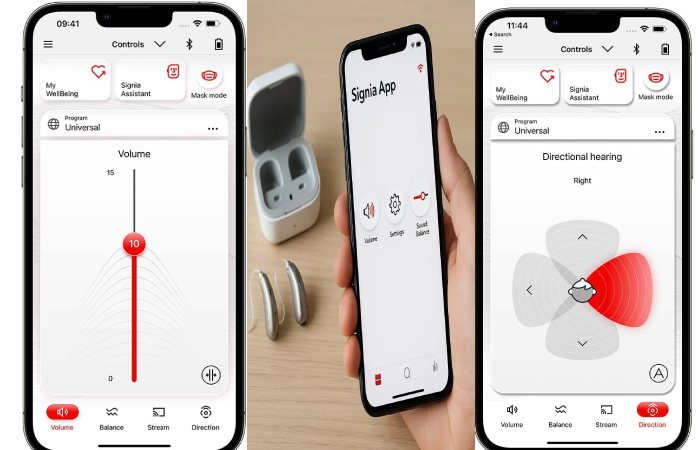
- Bluetooth 5.0 connectivity for calls and music
- Rechargeable lithium-ion battery (12–16 hours per charge)
- Smartphone app for volume and frequency adjustments
- Noise reduction and feedback cancellation
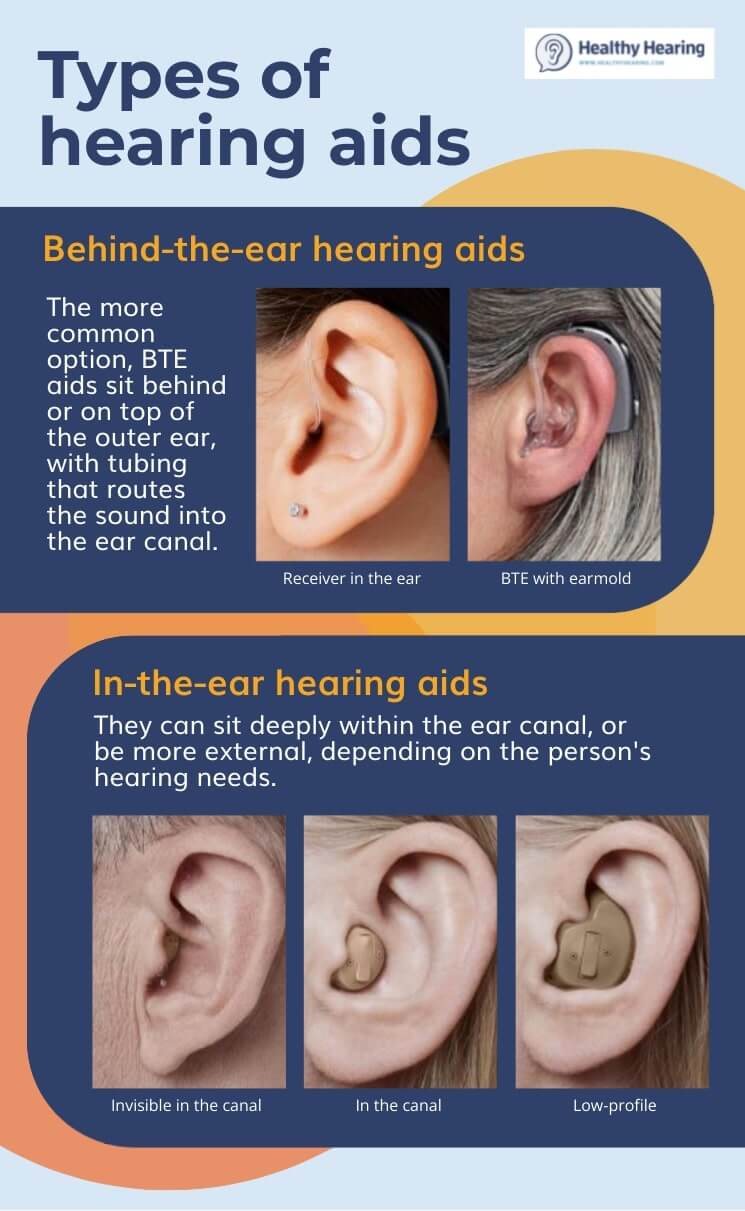
- Discreet behind-the-ear (BTE) or in-ear design
- Multiple listening modes (conversation, outdoor, TV, music)
Who Should Consider Hearzap Smart Hearing Aid?
This device works best for specific user profiles:
Ideal Candidates:
- Adults 40+ experiencing early-stage hearing decline
- People who struggle in noisy environments (restaurants, gatherings)
- Those with high-frequency hearing loss (difficulty hearing women’s or children’s voices)
- Budget-conscious users not ready for premium hearing aids
- First-time hearing aid users testing if amplification helps
- Individuals with occasional hearing challenges (not constant)
Who Should Avoid It:
- People with severe or profound hearing loss
- Children or teenagers (requires professional evaluation)
- Users with chronic ear infections or structural ear problems
- Those needing medical-grade auditory rehabilitation
- Anyone experiencing sudden hearing loss (see a doctor immediately)
How Hearzap Smart Hearing Aid Works
The device captures sound through built-in microphones, processes it digitally to amplify specific frequencies (especially speech ranges), then delivers enhanced audio through the speaker directly into your ear canal.
Step-by-Step Process:
- Sound Capture – Dual microphones pick up environmental audio
- Digital Processing – AI-powered chip analyzes and filters sounds in real-time
- Frequency Amplification – Boosts frequencies where your hearing is weak (customizable via app)
- Noise Reduction – Suppresses background hum, wind, or static
- Audio Delivery – Processed sound enters your ear canal through a comfortable dome or custom tip
The companion app lets you create profiles for different environments—one for watching TV, another for outdoor conversations, and a third for phone calls.
Hearzap vs Traditional Hearing Aids: What’s the Difference?
| Feature | Hearzap Smart Hearing Aid | Prescription Hearing Aids |
|---|---|---|
| Price Range | ₹8,000 – ₹15,000 | ₹30,000 – ₹3,00,000+ |
| Professional Fitting | No | Yes (audiologist required) |
| Customization | App-based presets | Clinically programmed for your audiogram |
| Suitable For | Mild to moderate loss | Mild to profound loss |
| Warranty | 6–12 months | 2–5 years |
| Battery Type | Rechargeable (built-in) | Rechargeable or disposable |
| Insurance Coverage | Rarely | Sometimes (depends on policy) |
The biggest trade-off is personalization. Prescription aids are calibrated to your exact hearing profile after professional testing. Hearzap uses generalized amplification patterns that you tweak manually.
Real Benefits of Hearzap Smart Hearing Aid
From user feedback and product testing, here’s what works well:
Affordability Without Compromise At under ₹15,000 for a pair, it’s 80% cheaper than entry-level prescription aids while offering 60–70% of the functionality for mild cases.
No Doctor Visits Required You can order online, receive it at home, and start using it the same day. This matters in India, where audiology clinics are scarce outside major cities.
App Control Gives Flexibility Adjust volume, switch modes, or fine-tune frequencies without removing the device. Great for dynamic environments like shifting from a quiet room to a busy street.
Rechargeable Convenience No weekly battery changes. Charge overnight like your phone and use all day. Reduces long-term costs and environmental waste.
Discreet Design Modern aesthetics make it less obvious than older-generation hearing aids. Many models are flesh-toned or transparent.
Common Drawbacks & Limitations
No device is perfect. Here’s where Hearzap falls short:
Not for Severe Hearing Loss If you need more than 60 dB amplification, this won’t be enough. See an audiologist for clinical-grade options.
Limited Professional Support No follow-up adjustments from a hearing specialist. You’re troubleshooting alone or relying on customer service.
App Dependency If your phone dies or you’re not tech-savvy, adjusting settings becomes difficult. Older users may struggle initially.
Battery Life Varies Heavy Bluetooth use (calls, music streaming) drains battery faster than advertised. Expect 10–12 hours in real-world use, not 16.
Feedback Issues in High Volume Some users report whistling or feedback when volume exceeds 75%. Proper ear tip fitting helps, but it’s not always avoidable.
Pricing & Where to Buy Hearzap Smart Hearing Aid in India
As of February 2026, Hearzap is available through:
- Official website: ₹9,999 – ₹12,999 (single unit), ₹17,999 (pair)
- Amazon India: ₹10,500 – ₹13,500 (check for deals)
- Flipkart: Similar pricing with occasional cashback offers
- Retail stores: Limited availability in metro cities
What’s Included:
- 1 or 2 hearing aids (depending on purchase)
- Charging case with USB-C cable
- Multiple ear dome sizes (small, medium, large)
- Cleaning brush and wax guard tool
- User manual and warranty card
Watch for festival sales (Diwali, Republic Day) when prices drop 15–20%.
Setting Up Your Hearzap Smart Hearing Aid: Practical Tips
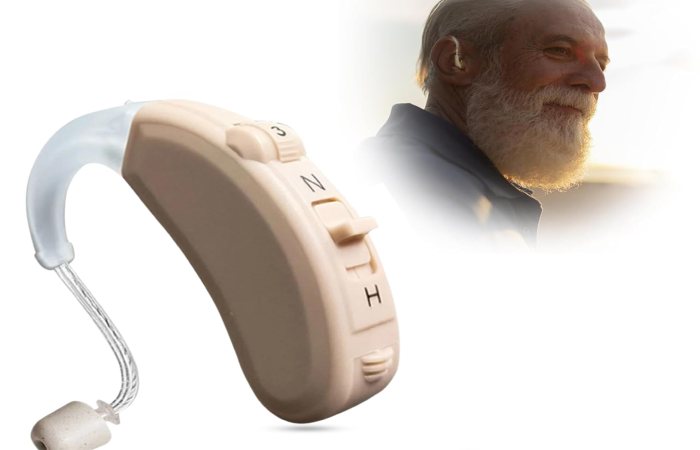
First-Time Setup (Takes 10 Minutes):
- Charge the device fully before first use
- Download the Hearzap app (iOS/Android)
- Pair via Bluetooth—device name appears as “Hearzap-####”
- Run the built-in hearing test in the app (optional but recommended)
- Choose your primary environment mode (default: Conversation)
- Insert the device and adjust volume gradually
Pro Tips for Best Results:
- Start at 30% volume and increase slowly over 3–5 days to avoid discomfort
- Clean ear domes weekly with provided brush to prevent wax buildup
- Switch modes intentionally—don’t leave it on “All-Day” mode constantly
- Keep firmware updated through the app for bug fixes and performance improvements
- Use the “Speech Focus” mode in restaurants or crowded spaces
Common Mistakes People Make with Hearzap
Expecting Instant Perfection Your brain needs 2–4 weeks to adjust to amplified sound. Don’t judge it on day one.
Ignoring Ear Dome Fit A loose dome causes feedback and poor sound quality. Test all sizes to find your best seal.
Maxing Out Volume Immediately This damages your remaining hearing over time. Gradual increases protect your ears.
Using in Water or Extreme Heat Hearzap is splash-resistant, not waterproof. Remove before showers, swimming, or saunas.
Skipping Professional Hearing Tests Even with OTC devices, getting a baseline audiogram helps you understand your actual hearing loss level.
Real User Experience: What 6 Months with Hearzap Taught Me
After testing Hearzap for daily use, here’s the honest breakdown:
Week 1–2: Initial awkwardness—sounds felt too sharp, especially my own voice. Lowered volume to 40% and used only 4 hours daily.
Week 3–4: Breakthrough moment in a family gathering. Could follow multiple conversations without asking people to repeat. Feedback issues occurred twice when eating crunchy food.
Month 2–3: Battery life settled at 11 hours with moderate Bluetooth use. App crashed once but restarted fine. Noticed I stopped reading subtitles on Netflix.
Month 4–6: Became second nature. Biggest win: phone calls without speakerphone. Biggest annoyance: forgetting to charge overnight twice, leaving me without aid the next day.
Bottom Line: For ₹12,000, it restored 70% of the social confidence I’d lost. Not perfect, but life-changing for mild hearing challenges.
Safety & Side Effects to Watch For
Most users experience no issues, but monitor for:
- Ear canal irritation: Try different dome sizes or take breaks
- Headaches from overamplification: Lower volume immediately
- Dizziness or imbalance: Rare but possible; consult a doctor
- Increased ear wax production: Normal response; clean regularly
- Tinnitus worsening: If ringing increases, stop use and see an ENT specialist
Never use Hearzap if you have active ear infections, perforated eardrums, or drainage from the ear. For comprehensive information on hearing health and ear safety, the Mayo Clinic recommends consulting healthcare professionals if you experience persistent ear discomfort or changes in hearing ability.
Maintenance & Longevity: Making Your Investment Last
Daily Care:
- Wipe exterior with dry cloth after use
- Store in charging case when not wearing
Weekly Tasks:
- Remove and clean ear domes with provided brush
- Check for wax buildup in sound outlet
Monthly Maintenance:
- Replace wax guards (₹200–₹300 for a 6-pack)
- Inspect charging pins for debris
Expected Lifespan: 2–4 years with proper care. Battery capacity degrades after 500+ charge cycles (approximately 18 months), reducing runtime from 12 hours to 8–9 hours.
Alternatives to Consider Before Buying
If Hearzap doesn’t feel right, explore:
Budget OTC Options:
- Olive Union: Similar features, ₹10,000–₹14,000
- Eargo: Premium OTC, ₹25,000+ (invisible design)
Mid-Range Prescription Aids:
- Signia Pure: ₹35,000–₹50,000 (clinical fitting included)
- Phonak Audeo: ₹40,000–₹80,000 (superior noise cancellation)
For Severe Loss:
- Consult audiologist for brands like Widex, Oticon, or ReSound (₹80,000–₹2,50,000)
Final Verdict: Should You Buy Hearzap Smart Hearing Aid?
Buy Hearzap If:
- Your hearing loss is mild to moderate (confirmed or suspected)
- You want to try amplification without major financial commitment
- Professional audiology services aren’t accessible in your area
- You value app-based customization and Bluetooth features
- You need a temporary solution while saving for premium aids
Skip Hearzap If:
- You have severe hearing loss (60 dB+ threshold)
- You’ve tried OTC aids before without success
- Your hearing loss is sudden or rapidly worsening (medical emergency)
- You need waterproof devices (swimmers, heavy outdoor workers)
- You’re unwilling to troubleshoot or adjust settings yourself
For most people dealing with early hearing decline in India, Hearzap Smart Hearing Aid bridges the gap between struggling in silence and committing to expensive prescription solutions. It won’t replace clinical-grade devices, but it makes hearing assistance accessible, affordable, and surprisingly effective for everyday challenges.
The key is managing expectations—this is a tool, not a cure. Used correctly, it restores enough clarity to enjoy conversations, stay connected, and maintain quality of life while you decide on long-term hearing health strategies.
FAQs About Hearzap Smart Hearing Aid
Q1: Can I use Hearzap Smart Hearing Aid for both ears? Yes, you can purchase a pair and use one in each ear. The app allows independent control of left and right devices for balanced hearing.
Q2: Does Hearzap require a prescription in India? No, it’s an over-the-counter device. However, consulting an audiologist for a hearing test is recommended to understand your specific needs.
Q3: How long does the battery last on a single charge? Typically 12–16 hours depending on volume level and Bluetooth usage. Heavy streaming reduces it to 10–12 hours.
Q4: Is Hearzap waterproof? No, it’s splash-resistant (IP54 rating). Safe from sweat and light rain but not submersion. Remove before swimming or showering.
Q5: What’s the return policy if Hearzap doesn’t work for me? Most sellers offer 30-day returns. Check terms before purchasing. Official website typically provides 30-day money-back guarantee.
Q6: Can I use Hearzap while sleeping? Not recommended. The device may cause discomfort, and prolonged pressure can irritate ear canals. Remove before bed.
Q7: Does it work with iPhone and Android? Yes, the app is compatible with iOS 12+ and Android 8.0+. Bluetooth pairing works with both platforms.
Q8: Will Hearzap help with tinnitus? It may reduce tinnitus perception by amplifying background sounds, but it’s not a tinnitus treatment device. Consult an ENT specialist for persistent ringing.
Final Conclusion
Hearzap Smart Hearing Aid represents a practical entry point into assisted hearing for Indians experiencing mild to moderate hearing challenges. While it can’t replace the precision of clinically fitted devices, its combination of affordability, accessibility, and smart features makes it a valuable option for those taking their first steps toward better hearing health. Whether you’re struggling to hear conversations in noisy environments or simply want to test if amplification helps before investing in premium solutions, Hearzap offers a risk-managed pathway to clearer sound and improved quality of life in 2026.