

Last Updated: October 13, 2026
In terms of ingredients easily accessible and extensively consumed by Indian households, hardly any could come close to the humble curd. From mixed in with rice, to churned into buttermilk, or simply consumed straight out of a bowl as a dessert-like concoction, yogurt has forever been part of the conventional Indian diet.
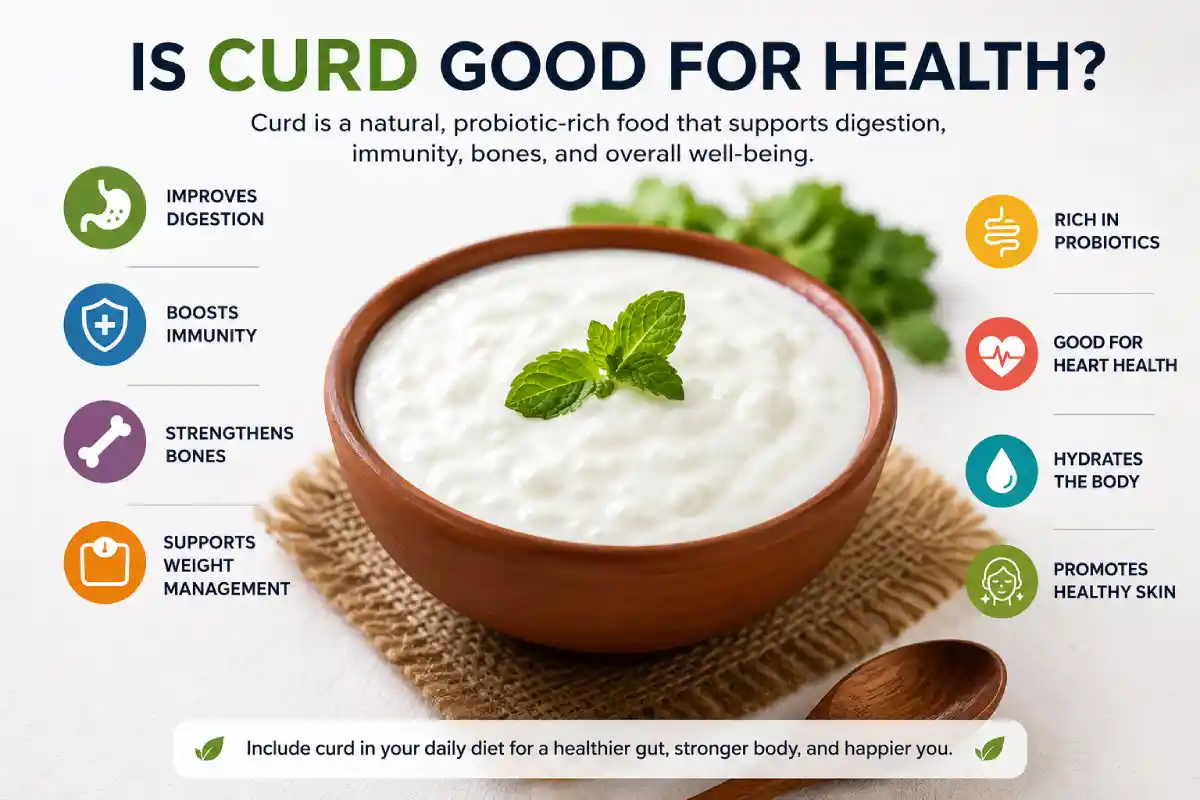
However, as many of us are still aware, the question that most people wonder about from time to time is, “Is curd good for health?” And to answer this directly – Yes!
It is a fantastic provider of good bacteria, beneficial nutrients, calcium, healthy fats and proteins, many beneficial vitamins and minerals that has numerous health advantages. It’s regarded a powerful probiotic food which supports your digestion, strengthens your body immunity and maintains a healthy stomach.
Table of Contents
What Is Curd?
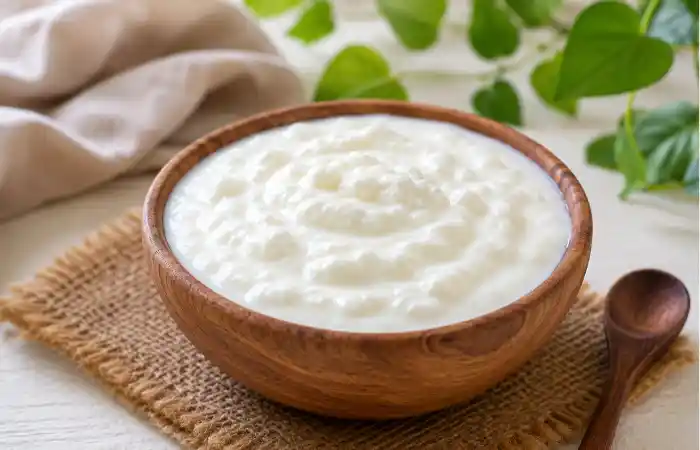
A yogurt or a curd is a dairy product, made by the process of specially fermenting in the presence of certain useful bacteria, which are available naturally. This helps to convert milk sugar into lactic acid that causes the coagulating effect on milk and provides a sour taste.
Definition of Curd
Dahi is a fermented milk product, which is made using a starter culture and it’s rich, creamy and delicious. It’s great for digestive and general health. Being traditional and home-made, curd is a living food with live bacteria that can be great for the microbiome.
Nutritional Value of Curd
Curd contains an impressive range of nutrients necessary for healthy body function.
Nutrition Per 100 Grams of Plain Curd
| Nutrient | Approximate Amount |
| Calories | 60–98 kcal |
| Protein | 3.5–5 g |
| Fat | 3–5 g |
| Carbohydrates | 4–6 g |
| Calcium | 120–150 mg |
| Phosphorus | 95–110 mg |
| Potassium | 140–180 mg |
| Vitamin B12 | 0.4–0.8 mcg |
| Riboflavin | 0.15–0.20 mg |
| Probiotics | Present |
| Water Content | 80–85% |
Hence, curd is a healthy, nutritious, and wholesome food to be consumed on a regular basis.
Why Is Curd Considered Healthy?
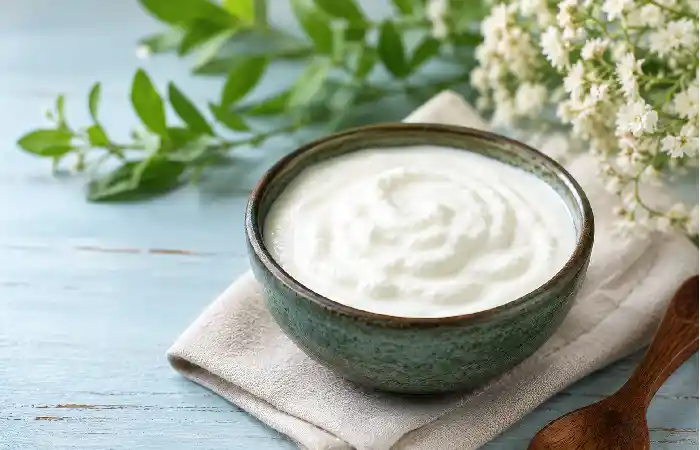
Dahi has a special balance of nutrients and healthy microorganisms which may improve the overall health of an individual.
Key Reasons Curd Is Healthy
- Rich source of probiotics
- Supports digestion
- Improves gut microbiome
- High in calcium
- Contains quality protein
- Strengthens bones
- Supports immunity
- Helps maintain body weight
- Easy to digest
- Suitable for most age groups
Top Health Benefits of Curd
1. Improves Digestive Health
One of the biggest reasons why curd is recommended by health gurus. The probiotics in the curd balance the good bacteria in your digestive tract. This can help ease the digestive process and possibly prevent some stomach problems.
Digestive Benefits
| Digestive Problem | How Curd Helps |
| Constipation | Improves gut movement |
| Bloating | Supports bacterial balance |
| Acidity | Provides a cooling effect |
| Indigestion | Enhances digestive efficiency |
| Diarrhea Recovery | Restores healthy bacteria |
When a patient is recovering from a stomach infection, a doctor might advise to eat curd as it would reintroduce friendly bacteria into the gut.
2. Strengthens the Immune System
The immune system is intimately related to health and that too of the gut. Having a healthy gut will ensure a healthier immune system. Probiotics present in curd will enable your body to betterfight off diseasesand illnesses.
Immune-Boosting Components in Curd
| Component | Benefit |
| Probiotics | Improve gut immunity |
| Protein | Supports cell repair |
| Zinc | Assists immune responses |
| Vitamin B12 | Helps blood cell production |
| Calcium | Supports overall health |
Consistent use could boost immune defense through the years.
3. Promotes Strong Bones and Teeth
We all know that curd is a good source of calcium. Calcium helps keep your bones and teeth strong, and is also important for the working of your muscles.
Bone Health Benefits
| Nutrient | Role |
| Calcium | Builds strong bones |
| Phosphorus | Supports bone structure |
| Protein | Helps tissue growth |
| Vitamin D* | Improves calcium absorption |
*Vitamin D levels depend on the milk source and fortification.
For children, adults, and seniors, curd can be a valuable addition to a bone-friendly diet.
4. Helps With Weight Management
Surprisingly enough, you may even get help with your weight-loss goals from curd. This dish may fill you up for more than just the time being since it contains ample protein, which could curb those pointless snacks.
How Curd Supports Weight Loss
- Keeps you full for longer
- Reduces hunger cravings
- Provides protein with relatively low calories
- Supports metabolism
- Promotes healthy digestion
The low-fat variety of curd can come in handy for people trying to lose weight.
5. Excellent Source of Protein
Muscle growth tissue repair production of hormones maintaining your body.
Curd provides high-quality protein that is easily digestible.
Protein Comparison
| Food | Protein Per 100g |
| Curd | 3.5–5 g |
| Milk | 3.2 g |
| Paneer | 18 g |
| Egg | 13 g |
| Greek Yogurt | 10 g |
Although curd has less protein when compared to paneer or greek yogurt, this easily accessible and daily source of protein cannot be dismissed.
6. Good for Heart Health
When included as part of an overall balanced diet, yogurt could support your heart health. Research has indicated that eating fermented dairy, like yogurt, can Help Manage Cholesterol levels.
Heart-Friendly Properties
- Contains potassium
- May help regulate blood pressure
- Supports healthy cholesterol balance
- Low-fat varieties contain fewer saturated fats
However, choosing plain curd without added sugar is important for maximum benefit.
7. Helps Regulate Blood Sugar Levels
When comparing curd to several processed food items, curd has quite a low glycemic index. This implies that curd results in the slowest rise of blood sugar levels.
Benefits for Blood Sugar Control
| Benefit | Explanation |
| Low GI | Slower glucose release |
| Protein-rich | Reduces sugar spikes |
| Gut health support | May improve metabolism |
| Satiety | Helps control overeating |
Diabetic individuals may be recommended to eat sugar free curd after consultation with their health professional.
8. Supports Healthy Skin
The nutrients present in curd can benefit the skin both internally and externally.
Skin Benefits
- Supports hydration
- Contains lactic acid
- Promotes skin repair
- May improve skin texture
- Supports collagen formation indirectly through protein intake
Many traditional beauty remedies include curd as a natural face pack ingredient.
9. May Improve Mental Well-Being
The association between mental and physical health has been observed in studies.
The benefits may be seen when you eat yogurt since it has good bacteria or probiotics that may indirectly affect emotional health via the gut brain.
Potential Benefits
- Supports healthy gut bacteria
- May reduce digestive-related stress
- Helps overall wellness
- Encourages balanced nutrition
It is not an official cure for mental disorders, but it can make an effort to help make our lifestyle balanced and healthy.
Homemade Curd vs Store-Bought Curd
Both types offer health benefits, but there are some differences.
| Feature | Homemade Curd | Store-Bought Curd |
| Freshness | High | Moderate |
| Preservatives | Usually none | May vary |
| Cost | Affordable | Higher |
| Probiotic Content | Good | Depends on brand |
| Convenience | Requires preparation | Ready to eat |
| Texture | Natural | Consistent |
Homemade curd is often preferred because it contains fewer additives.
Best Time to Eat Curd
Many people wonder when curd should be consumed for maximum benefit.
Recommended Times
| Time | Benefits |
| Breakfast | Supports digestion throughout the day |
| Lunch | Improves digestion of meals |
| Afternoon | Healthy snack option |
| Post-workout | Provides protein and nutrients |
Can You Eat Curd at Night?
This is a common question.
Traditionally, some people avoid curd at night because it may increase mucus production in sensitive individuals.
Night Consumption Pros and Cons
| Pros | Cons |
| Good protein source | May not suit people with sinus issues |
| Supports fullness | Can feel heavy for some |
| Provides calcium | Individual tolerance varies |
For most healthy individuals, moderate amounts are generally acceptable.
Different Ways to Include Curd in Your Diet
Curd is incredibly versatile.
Healthy Ways to Eat Curd
- Plain curd
- Curd rice
- Buttermilk
- Smoothies
- Fruit yogurt bowl
- Raita
- Lassi
- Salad dressing
- Overnight oats
- Healthy dips
Adding fruits, nuts, and seeds can further increase nutritional value.
Who Should Eat Curd Regularly?
Curd can be beneficial for many groups.
Ideal Consumers
| Group | Benefit |
| Children | Bone growth |
| Students | Protein and nutrients |
| Athletes | Recovery support |
| Adults | Digestive health |
| Seniors | Bone maintenance |
| Women | Calcium and protein intake |
Are There Any Side Effects of Eating Too Much Curd?
Although curd is healthy, excessive consumption may cause issues for some individuals.
Possible Side Effects
| Side Effect | Reason |
| Bloating | Excess dairy intake |
| Gas | Sensitivity to dairy |
| Weight gain | Overconsumption of full-fat curd |
| Allergic reactions | Milk allergy |
| Digestive discomfort | Individual intolerance |
Moderation remains important.
Who Should Be Careful While Eating Curd?
Certain individuals may need caution.
People Who Should Consult a Doctor
- Those with severe lactose intolerance
- Individuals with dairy allergies
- People following special medical diets
- Individuals with chronic digestive disorders
For most healthy people, curd remains a safe and nutritious food.
Curd vs Milk: Which Is Better?
Both are nutritious, but curd has some unique advantages.
| Feature | Curd | Milk |
| Digestion | Easier | Slightly harder |
| Probiotics | Present | Absent |
| Protein | Good | Good |
| Calcium | High | High |
| Lactose | Lower | Higher |
| Gut Health | Better | Limited effect |
Because fermentation reduces lactose content, curd is often easier to digest than milk.
Final Thoughts
Does curd work wonders on your body? Yes, it does. It’s indeed one of the most inexpensive and best-kept nutritional health bombs. This food contains a good array of probiotics, proteins, calcium, and other minerals, which collectively help maintain a healthy heart, improve digestion, bolster immunity, keep bones strong, and so on.
Whether you eat it plain, with some fruits or vegetables or you make a glass of buttermilk out of it or you just have it with some meal, adding a bowl of curd to your diet daily can prove beneficial in the long run. All you need to ensure is that the curd is fresh and that you don’t add a lot of sugar or salt to it. A bowl of plain curd everyday for most people will keep health in a check and improve the overall being of the person!