

Summary
Softmind Wellness(Softmind Wellness Pvt. Ltd.) is a mental health institution based in Kerala, providing evidence-based, neuroscience-based therapies through clinics across Kochi, Calicut, Thrissur, Alappuzha and Thiruvananthapuram. Their holistic services use Cognitive Behavioral Therapy, mindfulness, experiential therapy, clinical hypnosis, NLP and de-addiction counselling protocols, while being practitioner-led by 18+ licensed psychiatrists and psychologists. Therapy is available both in-clinic and online. For people of all ages experiencing depression, anxiety, stress, dysfunctional relationships, phobias, and addiction. Not a substitute for psychiatric crisis care.
Even in 2026, seeking professional help for your mental health is one of the most difficult choices that Indians make. It is not due to lack of necessity. It‘s not due to skepticism of science. It is due to a lack of infrastructure, awareness, and in many cases low-cost availability, that has not grown with 1.4 billion people.
There are more than 200 million Indians living with a diagnosable mental health condition (almost 1 in 7 of us). Yet over 83% go untreated. The problem is not our desire to improve but the stigma, cost, geographical distance and a lack of understanding about the nature of professional mental health care.
Softmind Wellness is one of the organizations working directly in the space, itself. An organization working in Kerala and rooted in clinical science softmind centers themselves on the notion that psychological support needs to be scientific, free of stigmatization and easily available to people. Here is a guide to what the softmind center offers, what the underlying science is, who can benefit the most from it and what you should expect to experience before you book your first session.
Table of Contents
What Is Softmind Wellness?
Softmind Wellness Pvt. Ltd. offer effective, evidence-based, non-invasive psychotherapies leveraging on a blend of CBT, mindfulness and experiential therapy. They have a set of 18+ psychologists and psychiatrists as part of their team and provide such solutions in Kerala through 3 hospitals and 3 clinics.
As a neuroscience-based psychological wellbeing and care organisation, Softmind is proffered by best mental health professionals across Kochi, Thrissur, Aroor and Thiruvananthapuram.
The key distinction of the Softmind model is the therapeutic approach they take, as opposed to the traditional medical route which usually starts with diagnosis and drugs. Softmind‘s therapy model is before anything else psychotherapy-focused, linking to the evidence-based talking therapies that deal with underlying psychological issues rather than just the symptoms.
The fundamental purpose of Softmind Wellness is not just on curing mental disorder but also improving positive emotions to better enable individuals to lead healthier and happier life. The site combines traditional and modern psychological perspectives in creating a safe environment where people are free to share their problems, and with greater focus on troubleshooting causative factors of problems than handling symptoms.
The India Mental Health Context: Why Organisations Like Softmind Matter
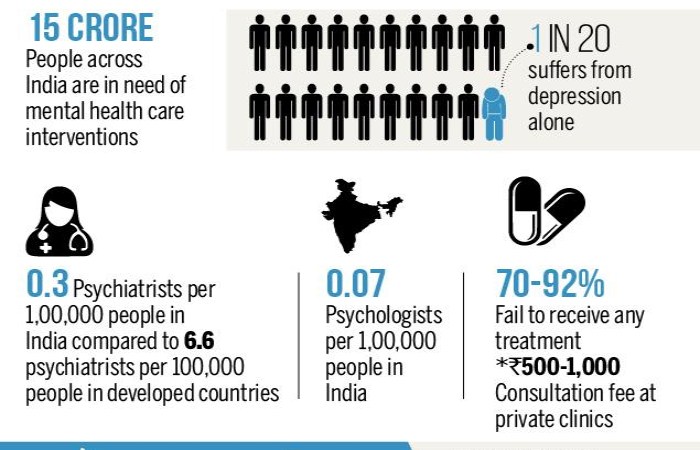
Before we go onto what Softmind brings to the table it may be helpful to put into perspective the type and extent of need the organization is addressing.
Two hundred million individuals. Eighty-three percent treatment gap. One psychiatrist/600,000 Indians. India‘s mental health care crisis is not a bit of affluent, metropolitan concern. It is a public health crisis on par with, andone that has been in existence forsome time.
The startling results from the Global Mind Health 2025 Report by Sapien Labs revealed that Indian youth between the ages of 18 and 34 rank 60th out of 84 countries assessed in mental health and are defined as being in the “Distressed or Struggling” band with a score of 33 out of 100 on the Mind Health Quotient.
“As noted by a 2015 article published in the Indian Journal of Psychiatry, India accounts for one of the highest mental health treatment gaps in the world. Even with the rolling out of the Mental Healthcare Act 2017 and recent scale-ups of mental health programmes, large proportions of persons with common and severe mental disorders (CMDs & SMIs) are not diagnosed/ treated, especially at the Recognition, Initiation and Maintenance stages.”
Clinically credible, geographically accessible private providers that are dedicated to best practice are not acting to fill a niche. They are partially contributing to a structural public health gap.
Softmind’s Locations in Kerala
Softmind has an existing operational base of 3 hospitals 2 in Cochin (Kochi) and 1 in Calicut (Kerala) Kochi and 3 clinics in Thrissur, Alapaduzha and calicut in Kerala.
Their Kochi centres have establishments at Kakkanad and Panampilly Nagar (Ernakulam). There are other establishments at Thiruvananthapuram (Trivandrum) and Aroor in Alappuzha district, thus ensuring that there is fairly wide coverage of the all of the main urban centres of Kerala, as well as some smaller semi-urban centres.
An online therapy is available to people who are residing out of these geographies and expanded to the reach of people living in and around Kerala.
What kind of therapies provide by Softmind Wellness
Softmind is a holistic mind solutions and wellness centre offering every kind of therapeutic and wellness services under one roof affordable, qualitative services in Clinical Hypnosis, Cognitive Behaviour Therapy, Rational Emotive Behaviour Therapy, NeuroLingusitc Programming, Family Therapy, Guidance and Counselling.
Here is what each of these approaches means in practice:
Cognitive Behavioural Therapy (CBT)
Cognitive behavioural therapy (CBT) is the most researched and evidence-supported approach to psychotherapy in the world. Its foundation is the hypothesis that our perceptions and thoughts about events guide our emotional reactions and foster undesired behavior. These depressive, anxious, and disress-producing maladaptive thought patterns (e.g., overgeneralising, dichotomous thinking, self-deprecating self-talk) are recognized through CBT, along with methods for formulation, intervention planning, and change in the form of structured, specific skills.
Patient‘s experiences on Softmind‘s CBT pathway indicate that therapists aided the recognition and challenge of negative thoughts identified by the patient and armed them with some useful skills to cope with anxiety. This consists of a structured, step-wise approach that makes it easier to follow and implement in everyday situations – with improvements being somewhat quantifiable, and manageable through professional expert advice.
CBT has been endorsed as the first line psychological choice for Anxiety disorders, depression, OCD, PTSD and phobias by principal clinical organizations across the globe, WHO, the national Institute for Health and Care Excellence (NICE), among others. Softmind‘s strategic focus on CBT as a central technique is evidence-based clinical best practice.
Mindfulness-Based Therapy
Mindfulness based interventions – exercises that train patients to notice their thoughts and feelings but do not respond immediately to them – are said to be effective in recurrent depression, generalised anxiety, chronic stress and burnout. (23) Including: Mindfulness-Based Cognitive Therapy (MBCT) and MBSR.
Indian setting: Mindfulness offers useful cultural connotations as it is well known to be an ancient practice based on contemplative origins, this may be advantageous for some patients in being more willing to try. Softmind does not provide ‘mindfulness’ as a programme however, but rather as a component of a combination therapy.
Experiential Therapy
Experiential therapy employs active techniques that focus on experience role play, visualizations, art, music, dance, etc.. to allow the client to access feelings that are difficult to reach with a conversational approach. Experiences can also be used to address trauma, grief, interpersonal issues, emotion regulation issues.
In contrast to purely cognitive models, experiential therapy directly engages with emotional memory and the body‘s response to distress – providing a useful adjunct to more cognitively oriented CBTs for a patient who can analyze their thinking in a distanced and intellectual way, but who has difficulty connecting emotionally.
Clinical Hypnosis (Hypnotherapy)
Therapeutic hypnosis is very different to the kind of stage hypnosis seen by most in the media. When used clinically, this is an intensely concentrated but relaxed state of attention, in which a highly trained therapist is able to address the underlying subconscious thoughts that underlie phobias, anxiety, habit disorders, and psychosomatic symptoms.
Clinal hypnosis is also provided by Softmind as one of their broad spectrum of holistic therapies by trained practitioners, being one of a number of modalities making up a therapeutic body rather than a panacea.
Rational Emotive Behaviour Therapy (REBT)
Rational Emotive Behavior Therapy (REBT), devised by Albert Ellis, is an earlier form of Cognitive Behavior Therapy which concentrates on recognising and disputing irrational core beliefs – generalised beliefs that are deep rooted, largely preconscious assumptions about ourselves and the world that cause emotional pain. Whereas CBT looks at specific thoughts in specific situations, REBT looks at the underlying belief systems from which they emerge. It is especially useful for perfectionism, feelings of inadequacy and dogmatism.
Neuro-Linguistic Programming (NLP)
Neuro Linguistic Programming (NLP) is concerned with the relationship between neurology, linguistics and a person‘s pattern of behaviour. In therapy NLP can provide a range of strategies to identify and change unhelpful ways of talking and doing. The research evidence for NLP is not as strong as with C B T or REBT and for this reason Softmind correctly presents it as an adjunct to other interventions rather than an independent approach.
Family Therapy
The counseling services could be used by people experiencing difficulties in their relationships to improve the understanding and communication facilitating the resolution of interpersonal problems in couples and families through structured and professional guided dialogue.
Family therapy acknowledges that psychological distress does not occur in a vacuum it is influenced by and influences the relationships we have with others. It is a form of therapy that works with the family system to elucidate how people relate to each other and how their communication systems affect one another.
De-Addiction Counselling
The latter also lists the Softmind as one of its sources for de-addiction services, including well evidenced based psychotherapy and counselling for such problems.
Softmind‘s de-addiction counselling: Accepting the problem of alcohol or substances use disorders it aims to differentiate itself from others by providing a holistic approach to treat them, incorporating psychological strategies, motivational enhancement, relapse prevention planning etc. with medical management.
The Softmind Team: You Know (Don t) Who They Are?
The team includes 18+ psychologists and psychiatrists, including:
- RCI-registered Clinical Psychologists: Registered with the Rehabilitation Council of India the statutory council of clinical psychology education and practice in the country. This is the highest qualification for clinical psychologists in the country.
- Counselling Psychologists: Trained in the use of therapy to help emotional and psychological difficulties which may not be severe enough to meet the classification of disorder but which impact heavily on quality of life.
- Psychiatrists: Medical practitioners specialised in mental health able to prescribe medication where appropriate and manage complex psychiatric disorders.
- Social Workers: Focus on the psychosocial aspects of mental health, especially when a patient‘s problem is influenced by family, community or financial factors.
Softmind has RCI-licensed Clinical and Rehabilitation Psychologists, Counselling Psychologists, Social Workers and even Psychiatrists working in their counselling centres. They assist patients in finding out what area of difficulty they encounter and give appropriate solution (CBT, Solution-Focused Therapy or Experiential Therapy) to reach the target.
Is Softmind Wellness Suitable for Me?
Softmind Wellness caters to a wide spectrum of clients including: students overwhelmed with school work and exams, wallowing in indecision and emotional fatigue; working professionals overwhelmed with the demands of work life, burning out and imbalance; couples and families with relationship and communication problems; individuals suffering from problems such as depression, anxiety, phobias and addictive disorders to name a few.
More specifically, the following presentations are well within Softmind‘s evidence-based scope:
Anxiety disorders: Generalised Anxiety Disorder (GAD),Social Anxiety, Panic Disorder,Specific Phobias are all amenable to a CBT-based intervention.
Depression (including sub-enthusiastic (mild to moderate) depression not responding to change in lifestyle alone, and recurrent depression where MBCT can substantially lower risk of relapse)
Stress and burnout: Especially pertinent to the white-collar population of urban Kerala which faces job stress, art transition, and chronic overload.
Relationship and family problems: Relationship strain fighting, negative interactions and poor communication with romantic partner or other family members; problems with children/parenting; grief/grief-related family difficulties.
Addiction/substance use (including alcohol and tobacco and behavioural addictions psychological intervention is the evidence based first line of treatment with medical support).
Psychosomatic conditions: These include IBS, chronic headaches, skin conditions that have a significant psychological component CBT and mindfulness have proved effective for these presentations.
Who Should Approach With Realistic Expectations
Softmind Wellness is not the right first port of call for everyone:
Urgent psychiatric crisis: In the event that an individual is experiencing a psychotic episode, is suicidal or at risk to themselves or others, urgent psychiatric services like government hospital psychiatric emergency services are the appropriate treatment first step, as are crisis helplines like iCall (9152987821) or Vandrevala Foundation (1860-2662-345).
Conditions that may need complex pharmacological management: bipolar disorder, schizophrenia and any other condition that needs strict psychiatric medication management requires a consultant psychiatrist (preferably one who has inpatient facilities). During the search for Softmind psychiatrists, check their medication management facilities at the branch you want to book.
Imperial Shoplifters“20: Those who are looking for the miracle cure: Psychotherapy is a long process. CBT for depression or anxiety usually takes between 8 & 20 stepped sessions. Changes in the patient‘s pattern, or reduction in symptoms, do not occur overnight but take time. Those hoping for an improvement in their condition after one session will have to look elsewhere whether that is the NHS, Dulwich or St. Albans.
For those outside of Kerala (for in person): Softmind currently only provides their in person therapy at their physical centres located in Kerala. The reach extends on online therapy, but users in other states should check the site for availability and to see which therapist they have been assigned.
What to Expect at Your First Softmind Session
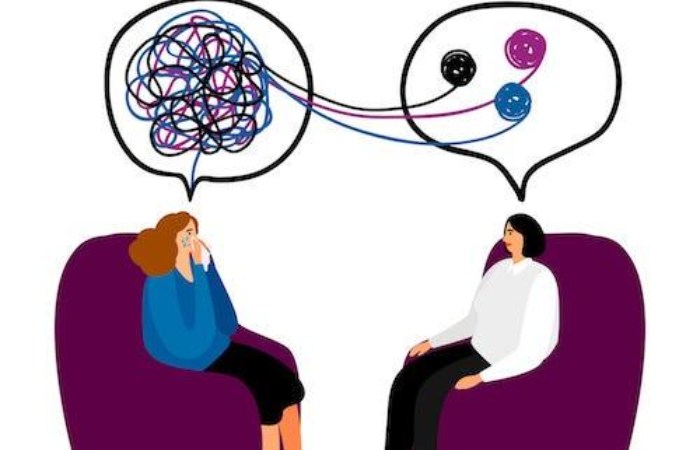
For many the first step in the way of attending a therapy session is the most difficult — most people worry about what will happen when they arrive. This is what the intake process at Softmind commonly looks like:
Initial Assessment: Your first session will feel more like a chat. Your therapist will assess your reasons for seeking therapy, present and past information, your lifestyle and relationships and what your therapy aims to achieve. It is not an interview process but the first step in a treatment plan.
Treatment Plan Discussion: The therapist will present a proposed treatment plan, including the modality(ies) they suggest, tentative schedule and the general structure of each session. You may wish to explore this plan during this time.
Sessions continuation: Future sessions are likely to be 45– 60 minutes. CBT sessions tend to be structured you may be given work sheets, thought records or behavioural experiments to do in between sessions. Mindfulness based sessions will often involve practice exercises. You will not just be asked to talk about your feelings without guidance.
Confidentiality: Privacy is a major concern surrounding mental health, and Softmind Wellness promises absolute confidentiality, so that individuals can speak freely, safely knowing nothing they say will be judged or shared. There are standard limits to therapists level of confidentiality, if a client is posing an imminent risk to an individual or themselves.
Common Mistakes People Make When Seeking Therapy in India
1. Delaying treatment until the crisis point. People who go to seek therapy are generally 2-5 years into onset of symptoms by that time. Anxiety and depression are much more treatable in the early stages than if they are long standing. Early intervention and identification of symptoms is considered paramount by specialists as this leads to better recovery and outcomes.
2. Mixing up Psychiatry and Psychology. Psychiatrists are medical doctors and prescribe drugs. Psychologists do therapy. Both are required simultaneously in many cases but are different disciplines with different roles. The Softmind team has both.
3. Stopping therapy early after feeling “cured.” It is not unusual to get significantly better after just 3–4 sessions of cognitive therapy; however, symptom remission at this point primarily signifies remission from turbulence in the short term, rather than the fundamental pattern change necessary to avoid relapse. Therapy recommended duration depends on condition in general, stopping therapy early is the single most common cause of relapse.
4. Not raising any issues with the clinician or approach. In other words therapeutic alliance, or the relationship with your clinician is a strong predictor of outcome in psychotherapy. If by 2–3 sessions you feel the clinician is not the right fit, let someone know. Good therapists will take this well and either make adjustments or refer you to another.
5. Focusing solely on therapy. Therapy can be extremely effective in isolation, but it is most effective when combined with a balanced diet, regular sleep and exercise, limited alcohol intake, and stress management. Softmind understands this: but the real work occurs when you‘re not in therapy.
Myths vs Facts About Mental Health Therapy in India
Myth: Only ‘mad’ people see a therapist. Fact: Most of the people who come to me for therapy in India now have simple anxiety, stress, marriage or family problems, grief or changes in life, and not psychiatric illnesses. Therapy cannot help you if you are brain damaged, but other than that, it is always useful.
Myth: Engineering your problems makes them worse. Fact: Dozens of years and millions of dollars of clinical research have shown the contrary. Guided therapeutic dialogue reduces the severity of symptoms, escalates individual coping abilities, and results in persistent neurological change. More than 83% of the India mental healthcare treatment gap is attributed to access and stigma, not effectiveness.
Myth: Medication is always better than therapy. Fact: For mild-to-moderate depressions and even most anxiety disorders psychotherapy (including cognitive-behavioural techniques) produces the same or better outcomes than medication, and with considerably lower relapse rates once treatment ceases. Moderate-to-severe presentations tend to do best with combined treatments.
Myth: Mental health problems are a reflection of character weakness. Fact: Mental health conditions are the result of genetics, neurobiology, life experiences, social factors and stress they are not a matter of character. 200 million Indians have mental health conditions personal weakness cannot account for a population phenomenon.
Myth: Online therapy is less effective than face-to-face. Fact: Numerous research studies published from 2020 onwards have evidenced that online CBT and similar therapies have outcomes similar to traditional, face-to-face delivery and for the most common presentations. Softmind online delivery is suitable for most of their caseload.
Softmind‘s Corporate and Institutional Wellness Programmes
More than individual clinical intervention Softmind provide wellness programmes in different formats for industries, corporations and institutions dedicated to boosting productivity, preserved organisation health, increased morale, enhanced organisation communication, construct teams, solve problems, realize work life balance.
This is a significant part of their offering. Mental health for the working population is one of the fastest growing fields of need in India‘s urban working population and access to psychological services supported by the employer would encourage a greater proportion of working workers who would not seek services on their own, to follow through.
In addition to overseeing a community-based program, Softmind offers accreditated training, orientation and diploma courses for young people, with the goal of creating a pool of talented professionals in holistic psychological solutions. This training function makes Softmind both a care provider and a long-term part of addressing the shortage of mental health professionals in India.
How to Book a Session at Softmind Wellness
For anyone in Kerala considering Softmind:
- Go to softmindindia.com where you will find the city and state-wise offices addresses, team profiles, and list of our services.
- Call or WhatsApp: +91 90618 18732 Appointment booking available at Kochi, Thrissur, Aroor and Thiruvananthapuram centers
- They also list individual practitioners at different branches in additional to any hospital or clinic.
- Make sure you select in-clinic or online session when booking
- For online sessions, please specify if you will use a computer for a video call and find a quiet, private space available during our appointment time.
However, if you are in a mental health crisis right now, call iCall, 9152987821 or the Vandrevala Foundation helpline, 1860-2662-345 both toll free and accessible everywhere in India.
FAQs
Q: What is Softmind Wellness and where is it based?
A: Softmind Wellness Pvt. Ltd is a mental health organization based in Kerala has over 18 psychologists and psychiatrists practicing in clinics/ hospitals in Thrissur, Alappuzha, Calicut and Kochi. It offers evidence based therapy including CBT, mindfulness and experiential therapy.
Q: Can I do online therapy with Softmind Wellness?
A: Yes. Softmind Wellness offers online as well as clinic-based therapy sessions, thus providing services which can be accessed by someone who cannot physically visit the clinic. This can be an advantage for someone who lives too far away to visit the clinic or has limited mobility or time.
Q:What does Softmind treat?
A: Softmind offer evidence based psychological counselling for anxiety, depression, stress and similar problems as well as providing de-addiction counselling. Their scope may extends to Phobias, relationship issues, family conflict, trauma, burn out and psychosomatic problems.
Q: Is softmind‘s psychologist qualified?
A: Softmind has Clinical and Rehabilitation Psychologists, Counselling Psychologists, Social Workers and Psychiatrists in their counselling centres, all of whom have license from RCI (Rehabilitation Council of India). RCI is the statutory professional body for clinical psychology in India.
Q: How many sessions of therapy will I need?
A: It varies depending on what you are presenting with and how severe it is as well as your response to therapy. On average most presentations of anxiety and depression (using CBT) last 8 20 sessions. A rough estimate of time scale will be discussed during the first assessment session.
Q: Will anything I tell Softmind be kept secret?
A: Yes. Softmind Wellness is committed to keeping everything said in clients’ sessions with them confidential, creating a safe space for clients to share and explore their thoughts and feelings without fear of judgement or public exposure. As with any form of therapy, client confidentiality will have limitations if a person is in danger of harming themselves or others.
Q: Is there any way that Softmind can treat addiction?
A: Softmind offers evidence-based psychotherapy and counselling in addictions, in addition to medical management where required, to successfully treat problems such as alcoholism and drug abuse.
Q: How are the Psychologists and psychiatrists involved?
A: Psychologists are trained to offer Psychotherapy structured talking therapies such as CBT and mindfulness; Psychiatrists are trained medical doctors who can offer diagnosis, prescribe medication, and offer medical management; Softmind have both on their team so can take an integrated approach for presentations of need requiring medication and therapy.
Final Conclusion
India does not have a shortage of people who need mental health support. It has a shortage of places where people can get it safely, affordably, and without judgment. As research published in the Indian Journal of Psychiatry in 2025 makes clear, India’s treatment gap is structural — with drop-offs at every stage from awareness through long-term adherence to care.
Softmind Wellness is not a solution to that structural problem. No single organisation can be. But it represents what a credible, clinically responsible response to that problem looks like at the ground level — licensed professionals, evidence-based modalities, flexible access, and a genuine commitment to treating the person rather than managing the diagnosis.
If you are in Kerala and carrying something you’ve been carrying alone — anxiety that hasn’t lifted, depression that flattens your days, a relationship that’s fraying, a habit that’s grown beyond your control — then reaching out to a professional is not weakness. It is the most rational, courageous, and self-respecting thing you can do with that weight.
Softmind wellness offers a starting point. What happens after the first session is between you and the work — but the evidence is clear: for most of what burdens us psychologically, structured professional support produces better outcomes than suffering in silence, and significantly better outcomes than hoping it will resolve on its own.
Start with one call. One appointment. One honest conversation. The gap between where you are and where you want to be is rarely as wide as it feels — but you cannot cross it alone.
If you or someone you know is in crisis right now, please contact iCall at 9152987821 or the Vandrevala Foundation Helpline at 1860-2662-345, available 24/7, free of charge, across India.