

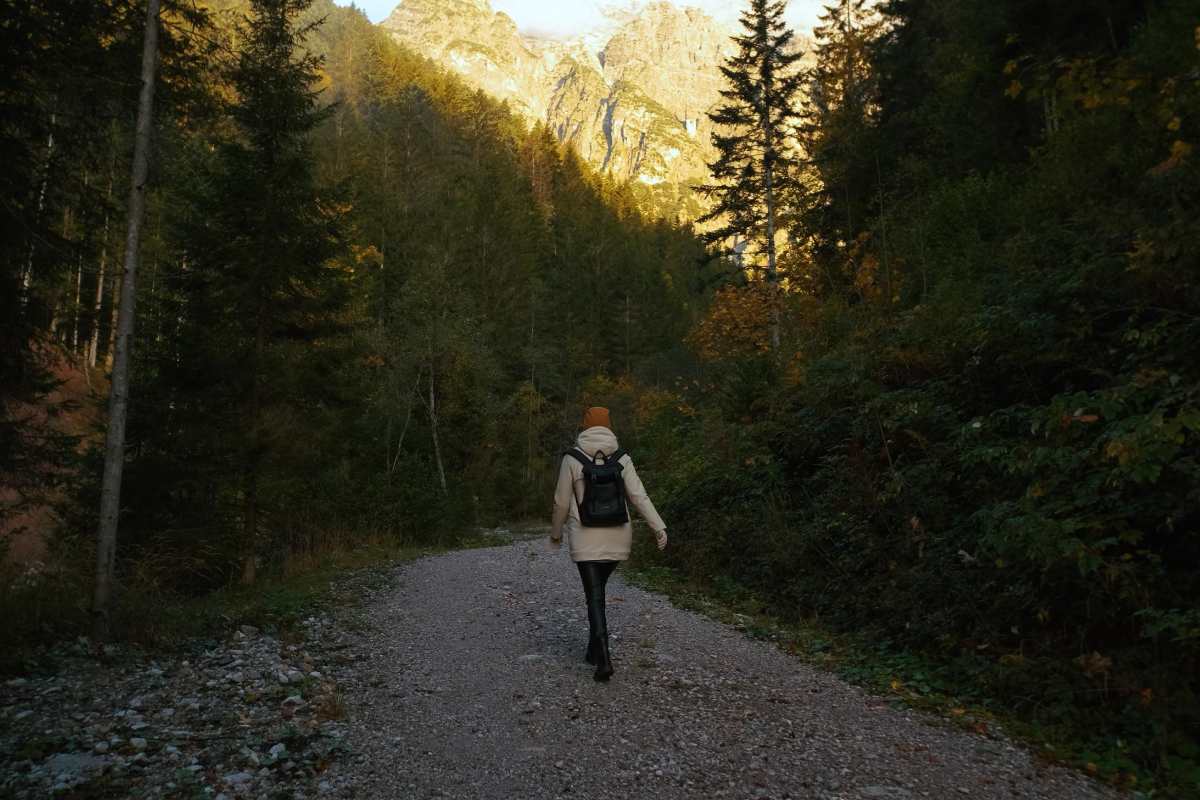
Backroad wellness is a lifestyle philosophy built around slow, intentional, nature-rooted health practices — think herbal remedies, mindful movement, traditional eating, and genuine rest. It’s the opposite of hustle culture wellness. It works quietly, consistently, and without burning you out. This article breaks down what it means, who it’s for, the real benefits, common mistakes, and how to actually start — especially if you’re tired of every “quick fix” that came before.
Most of us have been sold the exact same wellness story. Download this app. Try that supplement. Do HIIT every morning. Meditate for ten minutes. Track your macros. Track your sleep. Track everything.
And yet — a lot of people doing all of that still feel tired, scattered, and honestly, worse than they did before they started “optimizing.”
That’s where backroad wellness enters the picture. And just to be clear upfront — it’s not a brand, not a product range, not something with a monthly subscription fee. It’s more of a return. A quiet shift back toward slower, more grounded ways of actually taking care of yourself. The kind of health path your nani or dadi probably walked every day without ever once using the word “wellness.”
I’ll be honest with you: this isn’t for everyone. If you’re chasing a six-pack in 30 days or want a juice cleanse that resets your liver over a long weekend — this isn’t that. But if you’ve got a nagging feeling that the mainstream health conversation has been selling you something incomplete — keep going.
Table of Contents
What Is Backroad Wellness, Exactly?
Picture the main highway as the conventional health industry — loud, fast, always congested, billboards every hundred meters trying to sell you something new. The backroad is quieter. Fewer people on it. And you have to actually choose it — nobody’s marketing it at you.
Backroad wellness is the practice of building real, lasting health through simple, consistent habits that don’t need expensive products, gym memberships, or a wellness tracker strapped to your wrist. It draws from traditional healing systems like Ayurveda and herbal medicine, the slow food movement, and modern research on how chronic stress quietly breaks the body down — combined with the plain observation that human beings were never built to be switched on 24/7.
In wellness circles, it’s being called things like “slow wellness,” “analog living,” or “back-to-roots health.” The Global Wellness Summit identified this shift as one of the defining movements of 2025–2026 — a growing hunger for lower-tech, nature-immersed approaches to health that push back against the hyper-optimized, data-driven routines that have left a lot of people feeling more anxious, not less.
But here’s something worth sitting with: this isn’t a trend invented in California. In India, this is genuinely just how most of our grandparents lived. We’re not discovering something new. We’re remembering something old — and dressing it in cleaner language.
Who Is Backroad Wellness For?
Let’s be real about who this actually speaks to, because it’s not a universal prescription and pretending otherwise would be doing you a disservice.
Backroad wellness tends to hit home most for people who:
- Feel genuinely fed up with hustle-culture health advice that never quite delivers
- Have tried “everything” — the programs, the powders, the protocols — and still feel off
- Want to stop being so dependent on processed supplements and quick fixes
- Are dealing with low-grade chronic stress, disrupted sleep, or digestive problems that won’t quit
- Want their health habits to actually hold up across years, not just until the next reset button
- Feel drawn to traditional or nature-based approaches — the kind where tulsi chai wins over an energy drink every time
It also resonates strongly with younger people in Indian cities, particularly those stuck in high-pressure work environments who are quietly burning out and looking for something more grounding than another wellness app to download.
Who is it NOT for? People managing serious acute medical conditions should not walk away from conventional care because of any lifestyle philosophy, including this one. Backroad wellness is something that complements medical treatment — it doesn’t replace it. If you’re dealing with a thyroid condition, diabetes, or a diagnosed mental health condition, please have a conversation with your doctor before making any significant lifestyle shifts.
The Core Pillars (What Backroad Wellness Actually Looks Like)
There’s no single official rulebook here. But spend enough time in this space and you notice the same themes coming up again and again, across different cultures and different practitioners.
1. Eating Closer to the Ground
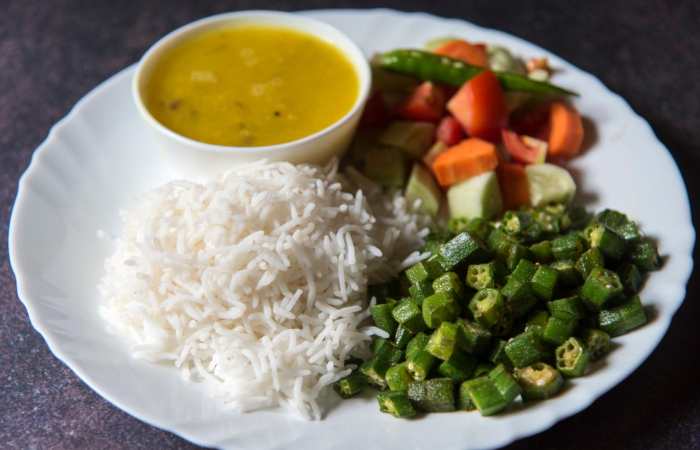
Not “clean eating” the way Instagram uses that phrase, with its aesthetic smoothie bowls and color-coordinated meal prep. Closer to how food actually was before industrial processing removed everything inconvenient from it.
In practice, this means more whole grains, seasonal vegetables, home-cooked dal, fermented foods like curd and kanji — and fewer things that come in a foil packet with a 14-month shelf life. Not because of calories, but because whole food genuinely nourishes your gut microbiome in ways that ultra-processed food simply cannot replicate, no matter how many probiotics you add back in afterward.
By 2025, the research on gut health has become loud enough that even mainstream medicine is paying attention: a diverse, fiber-rich diet supports digestion, immunity, mood regulation, and more. Functional nutrition experts have been pointing to fermented foods and prebiotic staples — bananas, garlic, onion, oats — as the most reliable everyday tools for gut resilience.
In backroad wellness terms, this honestly just looks like eating the way Indian households did before the packaged food boom hit us in the 1990s.
2. Movement That Doesn’t Feel Like Punishment
Here’s something the fitness industry has quietly avoided telling you: intense daily exercise, especially layered on top of chronic work stress, can push cortisol high enough to actively undermine the very health goals you’re working toward.
Slow fitness — yoga, long evening walks, swimming, stretching, or even something as ordinary as cooking a full meal and carrying your own groceries — has been gaining real traction globally, and not just among people who hate gyms. It protects joints, reduces systemic inflammation, and is actually something a person can sustain for decades without burning out or getting injured. Not just through Q1.
I’ve watched this play out more than once — people who were grinding through aggressive workout routines, always tired, never quite recovering, who switched to consistent daily walks and a regular yoga practice for six months and came out the other side feeling lighter, more energetic, and yes, leaner. Consistency edges out intensity almost every single time. The research backs it. So does lived experience.
3. Real Sleep (Not Just “Sleep Hygiene Tips”)
Backroad wellness takes sleep seriously. Not as a biohacking variable to optimize, but as a fundamental biological process that the body cannot negotiate its way out of needing.
The 2026 wellness landscape has stopped treating rest as optional — it’s now being recognized as a core pillar of metabolic health, emotional regulation, and physical recovery. Sleep-consistent evening routines, cutting blue light after sunset, and what some practitioners call “slow evenings” — screen-free rituals, a warm herbal drink, magnesium-rich foods at dinner — are becoming common not because they’re trendy but because the science behind them keeps getting stronger.
In the Indian tradition, this resonates with concepts most of us grew up hearing about but perhaps didn’t take seriously: brahma muhurta, the practice of rising with the natural light cycle, and dinacharya, the idea of daily routines calibrated to rhythm. These weren’t random customs. They were working with circadian biology long before we had a word for it.
4. Herbal and Traditional Remedies (Done Thoughtfully)

Tulsi. Ashwagandha. Triphala. Turmeric. Neem. These aren’t wellness-influencer trends that showed up last year — they’re plant-based tools with centuries of actual use behind them and, increasingly, a growing body of clinical research asking the right questions about how and why they work.
Backroad wellness uses them as tools, not as replacements for medical care — and that distinction matters more than most people realize. Ashwagandha as an adaptogen for managing stress load is reasonably well-documented in research. Triphala has a solid track record for digestive regularity. Turmeric, used in cooking with fat and black pepper (which dramatically increases curcumin absorption), has meaningful anti-inflammatory properties. The delivery vehicle matters — a pinch of turmeric in your sabzi works differently from a supplement capsule promising “500mg standardized extract.”
What separates backroad wellness from the wellness-influencer herbal hype cycle is that one word: thoughtfully. Herbs have real pharmacological activity, which means they also have real interactions. Some shouldn’t be used during pregnancy. Some need to be rotated. Start with food-based uses. Move slowly. And if you’re on any regular medication, talk to someone who knows both sides of that picture before adding concentrated herbal supplements.
5. Reducing Unnecessary Stimulation
This pillar tends to get the least attention, but in my view it might be the most important one.
Backroad wellness instinctively pulls back from the kind of constant low-grade stimulation — the endless scroll, the background noise, artificial light into the late hours, three cups of chai just to function, information hitting you from every direction — that the human nervous system genuinely was not built to handle at this scale and this frequency.
The slow living movement has been capturing this for a while now — the idea isn’t total digital abstinence but intentional non-digital space carved into the day. A quiet morning before the phone. A meal without a screen. Twenty minutes in actual sunlight and fresh air. These aren’t luxuries or productivity hacks. For the nervous system, they’re just maintenance.
The Real Benefits — With Honest Timelines
People always want to know: how long before any of this actually does something visible?
Here’s what’s realistic, based on what functional health practitioners and nutritionists generally see when people genuinely commit to lifestyle-based change:
| What You Might Notice | Approximate Timeline |
|---|---|
| Better sleep quality | 2–4 weeks (with consistent evening routine) |
| Reduced digestive bloating | 3–6 weeks (dietary changes) |
| Improved energy baseline | 4–8 weeks |
| Reduced anxiety/stress reactivity | 6–12 weeks |
| Clearer skin (gut-linked) | 8–16 weeks |
| Sustained weight change | 3–6 months+ |
| Long-term chronic condition improvement | 6–18 months (with professional support) |
These aren’t magic numbers pulled from nowhere — but they’re honest ones. And honestly? The timelines are part of the point. Backroad wellness doesn’t deliver fast. That’s not a flaw in the approach. That’s the approach. The flip side is that the results don’t evaporate the moment you stop paying for a subscription.
Common Mistakes People Make (And I’ve Seen These a Lot)
Mistake 1: Treating it like another protocol to optimize. People who’ve been deep in wellness culture for a while sometimes come to backroad wellness and immediately try to do it perfectly — the right herbal stack, the exact sleep time, the optimized morning routine mapped to the minute. This completely misses what it’s about. The whole practice is about releasing that grip on control, not swapping it for a different, more rustic-looking version of the same thing.
Mistake 2: Going all-in too fast. Overhauling the entire diet in week one, doing a five-day fast, banning screens completely, restructuring your whole schedule — these tend to end in reactance and then abandonment. The backroad is, by definition, taken slowly. One turn at a time.
Mistake 3: Using it as a reason to avoid medical care. Some people use “natural wellness” as cover for not getting bloodwork done, not filling prescriptions, not addressing symptoms that deserve a doctor’s attention. This can genuinely be dangerous. Backroad wellness is a lifestyle layer — it has no business being a medical system.
Mistake 4: Making it expensive. This is not supposed to cost a lot. Seasonal vegetables, home-cooked dal, twenty minutes of morning sunlight, a walk in the evening — these are the actual tools. Anyone selling you a premium backroad wellness product bundle has probably missed the point of the backroad entirely.
Myths vs. Facts
Myth: “Natural always means safe.” Fact: Herbs and plant compounds have real pharmacological activity — which means real interactions too. Ashwagandha, as just one example, can be contraindicated with certain thyroid medications. “Natural” is not a safety guarantee. Always check, especially if you’re on regular medication.
Myth: “If you can’t see results in 30 days, it isn’t working.” Fact: The meaningful physiological shifts — gut microbiome diversity, hormonal balance, nervous system regulation — take months to develop. The 30-day expectation was invented by supplement marketing, not biology.
Myth: “Slow wellness is for people who aren’t serious about their health.” Fact: Slow fitness and intentional lifestyle practices are exactly what longevity researchers keep coming back to. The Blue Zone communities — places where people regularly live well past 90 in good health — don’t do HIIT. They walk daily, eat simply, sleep consistently, work with their hands, and maintain close social bonds. That’s the model.
Myth: “You have to give up modern medicine.” Fact: No one serious in this space argues that. The approach is integrative — evidence-based medicine where it’s needed, and consistent daily lifestyle practices as the foundation everything else rests on.
How to Actually Start: A Practical Guide
You don’t need a program. You don’t need to buy anything. You need a few anchors — small, repeatable things you’ll actually do.
Week 1–2: Pick one thing from each pillar.
- Add one genuinely whole-food meal to your day — even if everything else stays the same for now
- Take a 20-minute walk outside, ideally somewhere with trees or open sky, not a treadmill
- Set a consistent sleep time and start dimming your lights about an hour before it
- Leave your phone out of reach for the first hour after you wake up — even just on the other side of the room
Week 3–4: Deepen what’s working. Resist the urge to add more. Go deeper with what you’ve already started. Pay attention to what actually feels different — not what you expected to feel different based on what you read somewhere.
Month 2 onward: Let it become boring. This is genuinely the milestone. Sustainable health habits are boring. If your routine still feels exciting and new, it hasn’t become a habit yet. The goal is for these practices to become as unremarkable as washing your face — something you’d feel strange skipping, not something that requires motivation.
Backroad Wellness in the Indian Context
India has a natural head start here that a lot of people haven’t thought about.
Our culinary tradition is genuinely rich in fermented foods — idli, dosa, kanji, lassi, homemade pickles — and anti-inflammatory spices like turmeric, ginger, cumin, and coriander that most of the rest of the world is now spending a lot of money to import and capsulize. Ayurveda, whatever your feelings about its more esoteric elements, contains sophisticated frameworks for circadian rhythm, gut health, and lifestyle medicine that modern research keeps arriving at independently, often without realizing it.
The real challenge in urban India isn’t access — it’s drift. Western eating patterns (packaged snacks, food delivery, skipped meals, irregular timings) and relentlessly high-pressure work culture have quietly disconnected a lot of us from traditions that were actually functional, not just cultural. Backroad wellness, in the Indian context, isn’t about adopting something foreign. It’s about remembering what was already working — and what we quietly let go of sometime in the last thirty years.
A grandmother’s morning tulsi chai. The Sunday dal that simmered for two hours. The evening walk in the colony park that everyone did without it being called “cardio.” These weren’t incidental habits. They were doing something. And a growing body of research is now explaining, in molecular detail, exactly why.
What to Realistically Expect (And What Won’t Happen)
What will likely happen if you’re genuinely consistent — meaning months, not two weeks:
- Better gut function, less bloating, more regularity
- More stable energy through the day without the mid-afternoon crash
- Noticeably improved sleep depth, not just duration
- Gradually reduced anxiety sensitivity and stress reactivity
- A quieter, more regulated nervous system — harder to describe, but you’ll notice it
- Clearer skin in many cases, because the gut-skin connection is real and well-established
What won’t happen, and it’s worth being honest about this:
- Rapid, dramatic weight loss
- Reversal of serious chronic disease without professional medical support alongside
- Some kind of immunity to stress
- Perfect health, indefinitely
The promise of backroad wellness isn’t a cure, and it was never meant to be. It’s a foundation — the kind that holds up over time instead of collapsing the moment life gets complicated.
Conclusion
Backroad wellness isn’t about starting a revolution. It doesn’t ask you to throw out everything you know, sell your gym membership, and move to a mountain village. What it asks is actually harder than any of that — to slow down. To trust the quiet, boring consistency of daily habits over the exciting promise of 30-day transformations.
In a health landscape that runs on shortcuts and urgency, choosing the backroad feels almost strange. Almost countercultural. But here’s what I’ve come to genuinely believe, watching what holds up over years and what doesn’t: the quiet path outlasts the dramatic one. Almost every time.
If you’re tired of the highway — its noise, its monthly fees, its relentless pressure to optimize just a little more — maybe the backroad is exactly what you’ve been looking for.
Backroad wellness isn’t about going backward. It’s about going deeper.
FAQs (Featured Snippet-Optimized)
Q1: What is backroad wellness? Backroad wellness is a lifestyle approach centered on slow, intentional, and nature-rooted health habits — including whole-food nutrition, gentle movement, traditional herbal practices, quality sleep, and reduced overstimulation. It prioritizes consistency and simplicity over quick fixes and expensive interventions.
Q2: Is backroad wellness the same as slow living? They overlap significantly. Slow living is the broader lifestyle philosophy, while backroad wellness specifically applies that slower, more deliberate approach to health and healing practices. Both reject hustle culture and favor sustainable, intentional habits.
Q3: Can backroad wellness work in India? Yes — arguably better than anywhere. India’s culinary and healing traditions (Ayurveda, fermented foods, seasonal eating, herbal remedies like tulsi and turmeric) are already aligned with backroad wellness principles. It’s less about adopting something new and more about reclaiming what’s already part of the cultural heritage.
Q4: How long does backroad wellness take to show results? Realistic timelines vary: improved sleep in 2–4 weeks, better digestion in 3–6 weeks, energy improvements in 4–8 weeks, and deeper changes like reduced stress reactivity or clearer skin in 8–16 weeks or longer. It is not a fast-fix system — sustainable results take consistent months.
Q5: Is backroad wellness safe? For most people, yes — the core practices (whole food eating, moderate movement, sleep prioritization, herbal teas used traditionally) are low-risk. However, if you have existing medical conditions or take medications, consult a doctor before making significant dietary changes or adding herbal supplements, as some herbs can interact with medications.
Q6: Does backroad wellness require expensive products? No. In fact, the philosophy actively resists the idea of wellness-as-consumption. Seasonal vegetables, home-cooked meals, morning sunlight, regular walks, and basic herbal teas are the foundation — all of which are accessible and affordable.
Q7: What’s the difference between backroad wellness and mainstream wellness culture? Mainstream wellness often emphasizes measurable optimization, premium products, and fast results. Backroad wellness prioritizes simplicity, long-term sustainability, nature connection, and traditional wisdom — with the understanding that health is a lifelong process, not a 30-day transformation.