

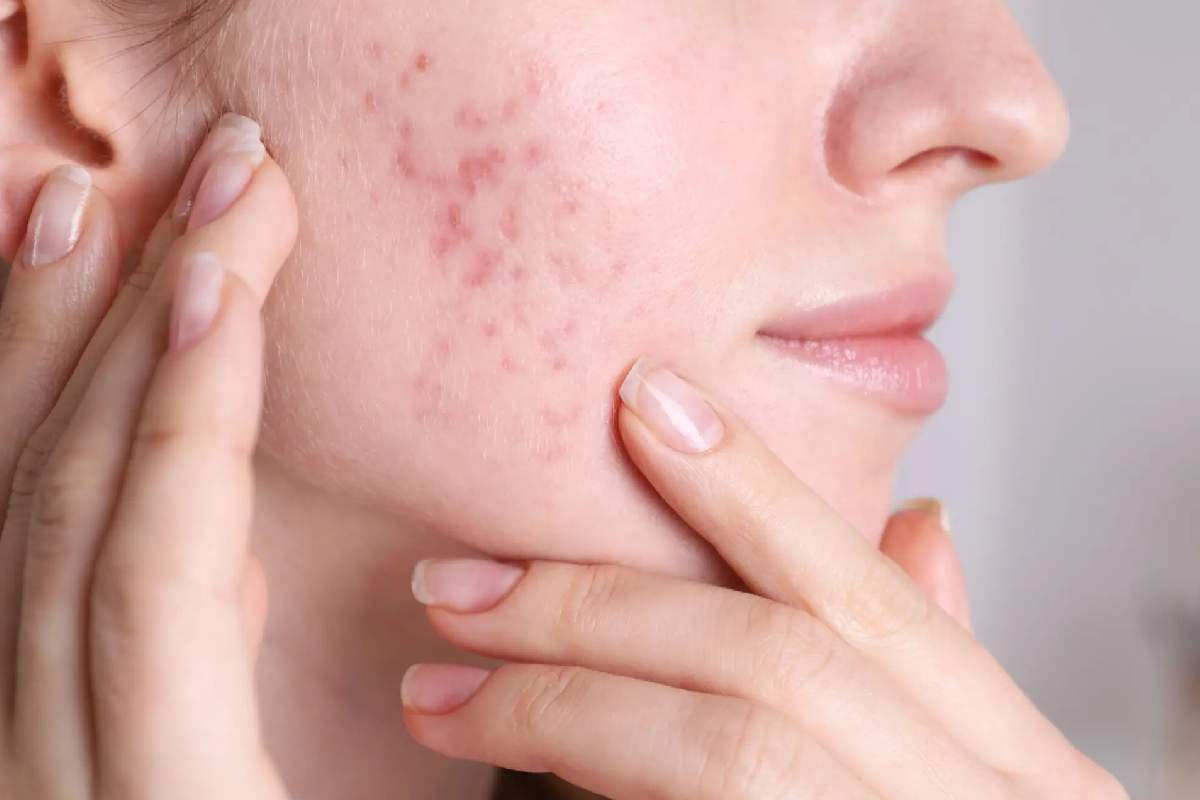
Acne scars represent the long-term structural consequences of inflammation within the skin. When acne lesions extend beyond the superficial epidermis into the dermis, they can damage collagen, elastin, and the extracellular matrix that supports normal skin texture. As people age, the skin’s ability to repair this damage changes. Collagen production declines by approximately 1 percent per year after early adulthood, and blood flow to the skin gradually decreases. These biological shifts mean that recovery after procedures for acne scars may take longer and vary more between individuals over time.
Patients who seek Singapore acne scar removal treatment often notice that two people undergoing the same procedure may heal at different speeds and with different degrees of improvement. This variability is not random. It reflects differences in scar type, skin biology, overall health, and post-treatment care, all of which influence how the skin remodels itself after controlled injury.
Table of Contents
Why Recovery Matters in Acne Scar Management
The goal of acne scar treatments is not simply to remove surface irregularities, but to trigger controlled wound healing that leads to new collagen formation. Procedures such as lasers, microneedling, and chemical peels intentionally create micro-injuries in the dermis. Fibroblasts then produce new collagen and reorganize existing fibers, gradually improving skin texture.
This remodeling process can take weeks to months. During that time, inflammation, vascular response, and cell turnover all play a role. If these processes are impaired or disrupted, recovery may be prolonged, and the final result may be less predictable.
Screening and Early Assessment of Scar Type
One of the most important predictors of recovery is the type of acne scar being treated. Atrophic scars, such as ice pick, boxcar, and rolling scars, differ in depth and shape. Ice pick scars extend deep into the dermis, while rolling scars involve broader areas of fibrous tethering.
Before treatment, a dermatologist typically performs a detailed examination, sometimes using magnification or imaging to assess scar depth and distribution. Early identification of mixed scar patterns allows for combination approaches, which may reduce the number of sessions required and improve overall recovery.
Skin type is also relevant. Individuals with higher melanin levels may have a greater risk of post-inflammatory hyperpigmentation, which can prolong the visible recovery period even after the underlying texture improves.
Daily Care and Lifestyle Factors
Recovery does not depend solely on the procedure itself. Daily habits influence how well the skin heals. Adequate sleep supports growth hormone release, which plays a role in tissue repair. Poor sleep has been associated with slower wound healing and increased inflammation.
Nutrition also matters. Protein provides amino acids for collagen synthesis, while vitamin C acts as a cofactor for collagen-forming enzymes. Deficiencies in these nutrients may delay healing. Smoking, by contrast, reduces blood flow and oxygen delivery to the skin, often prolonging recovery times after dermatologic procedures.
Sun exposure is another key factor. Ultraviolet radiation increases inflammation and can worsen pigmentary changes in healing skin. Consistent use of broad-spectrum sunscreen with an SPF of at least 30 is therefore part of most post-procedure protocols.
Age-Related and Chronic Skin Conditions
As the skin ages, its regenerative capacity declines. Older skin typically has fewer active fibroblasts and a thinner dermal layer, which can slow collagen remodeling. Chronic conditions such as eczema or rosacea may also interfere with barrier function and increase sensitivity during recovery.
Some patients have a history of keloids or hypertrophic scars, indicating an overactive wound-healing response. These individuals may require modified treatment plans to minimize the risk of abnormal scar formation.
Hormonal conditions, including polycystic ovary syndrome, may also affect ongoing acne activity, which in turn can influence the stability of scar treatment results.
Prescription Treatments Versus Over-the-Counter Products
Topical products are often used before and after procedures to support recovery. Over-the-counter formulations typically contain lower concentrations of active ingredients. For example, retinol in cosmetic products is usually below 1 percent and may help improve surface texture gradually.
Prescription retinoids, such as tretinoin at concentrations of 0.025 to 0.1 percent, have stronger evidence for stimulating collagen synthesis and increasing epidermal turnover. When used after healing has occurred, they may enhance long-term results by supporting ongoing remodeling.
Topical antibiotics or anti-inflammatory agents may also be prescribed temporarily to reduce the risk of infection and excessive inflammation during the early recovery phase.
In-Clinic Procedures and Their Impact on Recovery
Different procedures produce different patterns of injury and healing. Fractional lasers create microscopic columns of thermal damage, allowing surrounding tissue to speed re-epithelialization. Recovery from non-ablative fractional lasers may take several days, while ablative lasers can require one to two weeks of healing.
Microneedling and radiofrequency microneedling create mechanical and thermal injury that stimulates collagen without removing surface skin. These techniques often have shorter visible downtime but may require multiple sessions for optimal results.
Subcision, which releases fibrous bands beneath rolling scars, creates localized bleeding that initiates a healing response. Swelling and bruising may last one to two weeks, depending on the extent of treatment.
What Our Dermatologist Says
In my clinical practice, I often remind patients that acne scar improvement is not immediate. Even after the skin looks healed on the surface, collagen remodeling continues beneath the epidermis for several months. This is why we typically space treatments six to eight weeks apart.
I also emphasize that adherence to post-procedure instructions matters. Sun protection, gentle cleansing, and avoiding irritating products during recovery can significantly influence how evenly and predictably the skin heals.
Putting This Into Practice
- Have your scars evaluated to determine type and depth
- Follow pre-treatment skin care instructions provided by your clinician
- Maintain adequate protein and vitamin C intake
- Avoid smoking before and after procedures
- Use broad-spectrum sunscreen daily during recovery
When to Seek Professional Help
- Persistent redness or swelling beyond expected healing time
- Signs of infection such as increasing pain or discharge
- Worsening pigmentation after treatment
- Development of raised or thickened scars
- Ongoing acne flares interfering with scar therapy
Commonly Asked Questions
How long does recovery usually take?
Visible healing often occurs within one to two weeks, but collagen remodeling can continue for three to six months.
Can I return to normal activities right away?
Many non-ablative treatments allow return to work within a few days, though sun avoidance and gentle care are still required.
Do all scars respond the same way?
Different scar types respond differently. Deep ice pick scars may need more sessions or combined approaches.
Is pigmentation common after treatment?
Post-inflammatory hyperpigmentation can occur, especially in darker skin types, but it often fades over time with proper care.
How many sessions are typically needed?
Most patients require multiple treatments, often three to six, depending on scar severity and response.
Next Steps
Recovery after acne scar procedures depends on both biological factors and careful aftercare. If scarring or healing concerns are present, a consultation with a qualified dermatologist can help determine the most appropriate and evidence-based approach for your skin.