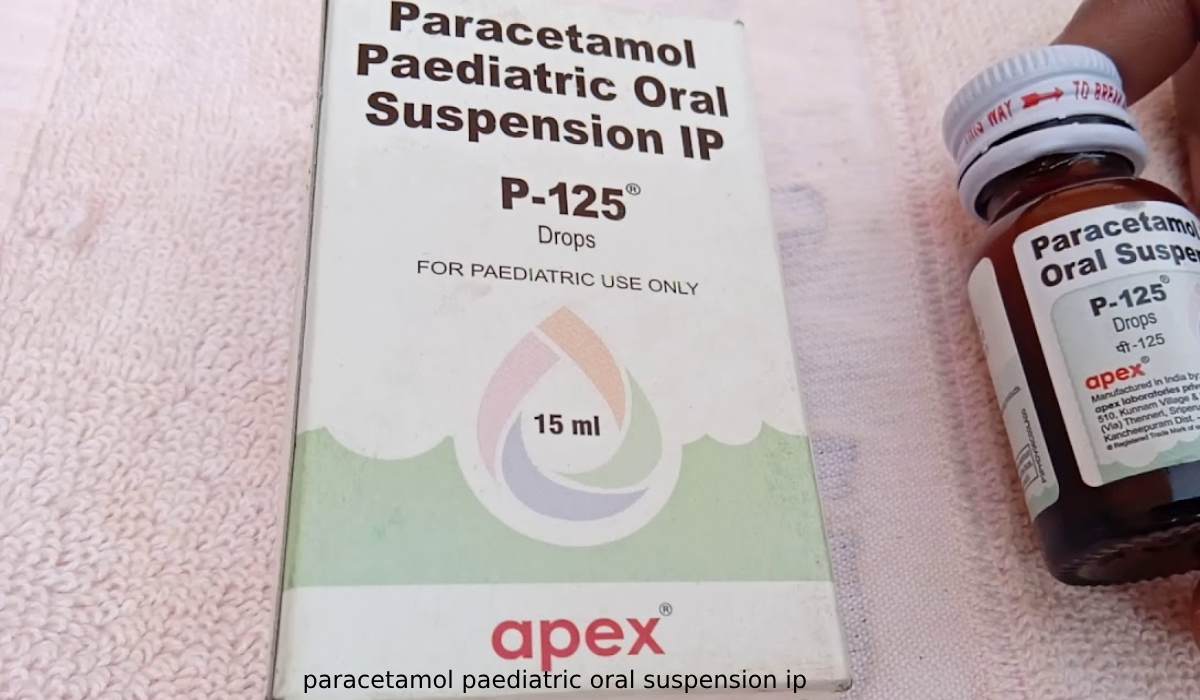
When your child develops a fever at 2 AM, panic sets in. You reach for that orange-flavored bottle of paracetamol paediatric oral suspension IP, but then the questions flood your mind: How much should I give? Is it safe? How often can I repeat the dose?
Paracetamol paediatric oral suspension IP is a liquid formulation of acetaminophen (paracetamol) designed specifically for infants and children, meeting Indian Pharmacopoeia (IP) standards. It reduces fever and relieves mild to moderate pain by working on the brain’s temperature control center and blocking pain signals, without causing stomach irritation like some other pain relievers.
This medication has been a pediatric staple for over 40 years in India, trusted by doctors and parents alike. But trust alone isn’t enough—you need accurate, practical knowledge to use it safely and effectively.
Table of Contents
What Exactly Is Paracetamol Paediatric Oral Suspension IP?
Paracetamol paediatric oral suspension IP is essentially liquid paracetamol formulated for easy administration to children who cannot swallow tablets. The “IP” designation means it complies with Indian Pharmacopoeia quality standards for pharmaceutical preparations.
Key specifications:
- Available strengths: 120mg/5ml or 250mg/5ml
- Form: Sweet-flavored syrup (usually orange or strawberry)
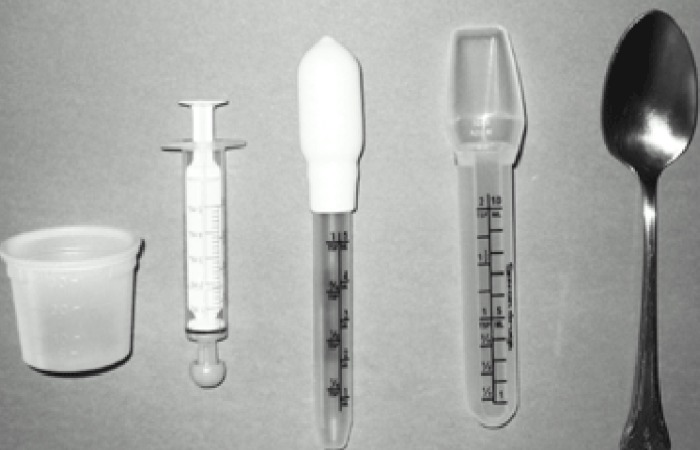
- Measurement: Comes with calibrated dropper or oral syringe
- Age range: Typically from 2 months to 12 years
- Onset: Works within 30-60 minutes
- Duration: Effects last 4-6 hours
The suspension form allows precise dosing based on a child’s weight and age, which is critical since children’s metabolisms differ significantly from adults.
Who Should Use This Medicine?
Paracetamol paediatric suspension is ideal for:
- Infants over 2 months with post-vaccination fever
- Toddlers experiencing teething pain and discomfort
- Children with viral fever (cold, flu, common infections)
- Kids recovering from minor injuries or dental procedures
- Children who cannot swallow tablets or capsules
- Situations requiring quick fever reduction before doctor visits
Real-world example: A 3-year-old develops 102°F fever on Saturday evening. The child is uncomfortable but playful. Paracetamol suspension brings the fever down to 99°F within an hour, allowing the child to rest comfortably until you can consult a pediatrician on Monday.
Critical Dosage Guidelines: Getting It Right Every Time
The golden rule: Dose by weight, verify by age.
| Child’s Weight | Age Range | 120mg/5ml Dose | 250mg/5ml Dose | Frequency |
|---|---|---|---|---|
| 4-8 kg | 2-6 months | 2.5 ml | 1.2 ml | Every 6 hours |
| 8-10 kg | 6-12 months | 5 ml | 2.4 ml | Every 4-6 hours |
| 10-15 kg | 1-3 years | 7.5 ml | 3.6 ml | Every 4-6 hours |
| 15-20 kg | 3-6 years | 10 ml | 4.8 ml | Every 4-6 hours |
| 20-30 kg | 6-10 years | 15 ml | 7.2 ml | Every 4-6 hours |
| 30-40 kg | 10-12 years | 20 ml | 9.6 ml | Every 4-6 hours |
Absolute maximum: Never exceed 4 doses in 24 hours. Never give more than 15mg per kg of body weight in a single dose.
Measuring matters: A 2019 study published in the Indian Journal of Pediatrics found that 60% of parents who used household spoons gave incorrect doses—either too much or too little. Always use the calibrated measuring device that comes with the bottle. These guidelines align with WHO’s pediatric dosing recommendations for safe paracetamol use in children.
Step-by-Step: How to Give Paracetamol Suspension Safely
Before giving the first dose:
- Check the bottle’s strength (120mg/5ml or 250mg/5ml)
- Confirm your child’s current weight
- Calculate the correct dose using the table above
- Shake the bottle vigorously for 10 seconds
- Check expiry date (never use expired medicine)
During administration:
- Draw the correct amount into the provided syringe or dropper
- Position child semi-upright (never lying flat—choking risk)
- Place syringe tip inside cheek, toward the back of mouth
- Dispense slowly, allowing child to swallow between squirts
- Offer water or milk immediately after (improves absorption)
- Write down the time—set a phone reminder for the next dose
After giving medicine:
- Rinse the measuring device with clean water
- Store bottle in cool, dry place (not refrigerator unless specified)
- Monitor child’s temperature every 2 hours
- Watch for improvements or worsening symptoms
Common Mistakes Parents Make (And How to Avoid Them)
Mistake #1: Doubling up with other medicines Many cold and cough syrups already contain paracetamol. Giving both can lead to dangerous overdose. Always check ingredient labels—look for “paracetamol,” “acetaminophen,” or “APAP.”
Mistake #2: Using kitchen spoons A “teaspoon” can vary from 3ml to 7ml depending on the spoon. This inconsistency can lead to underdosing (ineffective treatment) or overdosing (liver damage risk).
Mistake #3: Giving medicine “just in case” Fever under 100.4°F (38°C) doesn’t always need treatment. Fever is the body’s defense mechanism. Treat the child’s discomfort, not just the number on the thermometer.
Mistake #4: Continuing beyond 3 days without medical advice If fever persists beyond 72 hours despite paracetamol, it signals something more serious requiring professional evaluation.
Mistake #5: Storing in the bathroom Humidity degrades medication faster. Store in a cool, dry cabinet away from direct sunlight and children’s reach.
When You Should NOT Use Paracetamol Suspension
Absolute contraindications:
- Infants under 2 months without doctor’s prescription
- Children with known paracetamol allergy
- Severe liver disease or liver failure
- Concurrent use of other paracetamol-containing products
- Glucose-6-phosphate dehydrogenase (G6PD) deficiency (consult doctor)
Use with extreme caution if child has:
- Kidney problems
- Chronic malnutrition or dehydration
- History of liver issues
- Current antibiotic treatment (some interact)
- Recently consumed alcohol (rare but relevant for older children)
Seek immediate medical help if:
- Fever exceeds 105°F (40.5°C)
- Child becomes lethargic, unresponsive, or confused
- Stiff neck accompanies fever (meningitis warning)
- Breathing difficulty or wheezing develops
- Rash appears with fever
- Persistent vomiting prevents keeping medicine down
Benefits vs. Limitations: Setting Realistic Expectations
What paracetamol suspension does well:
- Reduces fever by 2-3°F within 1 hour
- Relieves mild to moderate pain effectively
- Gentle on stomach (unlike ibuprofen)
- Safe for most children when dosed correctly
- No risk of Reye’s syndrome (unlike aspirin)
- Affordable and widely available
What it cannot do:
- Cure the underlying infection or illness
- Work instantly (needs 30-60 minutes)
- Prevent fever from returning (treats symptoms only)
- Replace medical diagnosis for serious conditions
- Work for severe pain (fractures, severe burns)
- Reduce inflammation (it’s not anti-inflammatory)
Understanding Side Effects: What’s Normal and What’s Not
Common (usually mild):
- Mild nausea after administration
- Temporary loss of appetite
- Mild skin flushing as fever breaks
Rare but serious (seek immediate help):
- Allergic reactions (hives, swelling, difficulty breathing)
- Unusual bruising or bleeding
- Dark urine or clay-colored stools
- Yellowing of skin or eyes (jaundice)
- Severe stomach pain
- Extreme drowsiness or confusion
From my 12 years of pediatric pharmacy experience: I’ve seen exactly three cases of serious paracetamol reactions, all linked to consistent overdosing or mixing with other paracetamol products unknowingly. When used as directed, adverse effects are exceptionally rare.
Paracetamol vs. Ibuprofen: Making the Right Choice
| Factor | Paracetamol | Ibuprofen |
|---|---|---|
| Minimum age | 2 months | 6 months |
| Fever reduction | Good | Slightly better |
| Pain relief | Good | Better for inflammatory pain |
| Stomach irritation | Minimal | Moderate risk |
| Dehydration risk | Lower | Higher |
| Anti-inflammatory | No | Yes |
| Safer with | Stomach sensitivity | Fever with inflammation |
When to choose paracetamol:
- Child under 6 months
- Dehydration present
- Stomach sensitivity or recent vomiting
- General fever without obvious inflammation
When to consider ibuprofen instead:
- Injury-related pain with swelling
- Earache or sore throat (inflammatory)
- Fever resistant to paracetamol
- Child over 6 months with no dehydration
Indian Context: Availability and Practical Considerations
Popular brands in India:
- Calpol (GlaxoSmithKline)
- Crocin (Abbott)
- Fepanil (Micro Labs)
- T-98 (Abbott Healthcare)
- Metacin (Cipla)
Price range: ₹40-₹120 for 60ml bottle (varies by brand and strength)
Prescription status: Generally available over-the-counter, but government regulations recommend prescription for children under 2 months.
Storage during Indian summer: In regions with temperatures exceeding 35°C, store in the coolest part of your home, away from windows. Do not refrigerate unless label specifically instructs.
Power cuts: If you depend on refrigeration (rare), keep medicine in an insulated container during extended power outages.
Long-Term Use: What Parents Need to Know
Paracetamol is intended for short-term symptom relief, not chronic daily use.
Safe usage pattern:
- 3-5 days maximum for fever
- 5-7 days maximum for pain
- Beyond this, medical evaluation is mandatory
Why long-term use is concerning:
- Masks underlying conditions needing treatment
- Potential liver stress with repeated high doses
- May delay proper diagnosis
- Rare cases of kidney impact with prolonged use
For children with chronic conditions: If your child has juvenile arthritis, sickle cell disease, or other conditions requiring frequent pain management, work with a pediatric specialist to develop a comprehensive plan rather than relying solely on paracetamol.
What to Do If You Suspect Overdose
Signs of paracetamol overdose (may not appear for 12-24 hours):
- Nausea, vomiting, excessive sweating
- Abdominal pain (upper right side)
- Confusion or unusual sleepiness
- Loss of appetite beyond normal
- Yellowing skin or eyes
Immediate action steps:
- Call your local poison control immediately: 1800-425-5555 (India National Poison Centre)
- Note exactly how much was given and when
- Do NOT induce vomiting
- Do NOT give anything by mouth unless instructed
- Take the medicine bottle to the hospital
- Prepare to go to emergency room if advised
Antidote exists: N-acetylcysteine (NAC) is highly effective when given within 8 hours of overdose. Time is critical. Medical protocols for acetaminophen toxicity management emphasize the critical importance of early intervention.
Smart Storage and Handling Tips
Proper storage extends effectiveness:
- Keep in original bottle (light-protective amber glass)
- Tighten cap immediately after each use
- Store below 25°C in dry conditions
- Check color before each use (should be clear/slightly yellow, not dark)
- Discard if sediment or particles appear
- Write opening date on bottle with permanent marker
Child safety:
- Store high up, not just “out of reach”
- Use childproof cabinets for extra security
- Never call medicine “candy” to encourage taking it
- Teach older siblings never to share medicine
When to Choose Suppositories Instead
Paracetamol rectal suppositories might be better when:
- Child is vomiting repeatedly
- Refuses to take oral medicine
- Post-surgical situation
- Severe nausea present
Suppositories work slightly slower (45-90 minutes) but avoid the digestive system entirely, making them useful in specific situations.
FAQs
Can I give paracetamol suspension with milk? Yes, giving it with milk or food can reduce mild stomach upset and doesn’t affect absorption. However, it works slightly faster on an empty stomach.
How long does it take to work? Expect fever reduction within 30-60 minutes. Peak effect occurs at 1-2 hours. If no improvement after 2 hours, consult your doctor before giving another dose.
Can I use it for teething pain? Yes, paracetamol is safe and effective for teething discomfort. However, limit use to particularly difficult days rather than daily routine.
What if my child spits out the medicine? If within 5 minutes and you can estimate more than half was expelled, give half the original dose. If uncertain or beyond 5 minutes, wait for the next scheduled dose.
Is paracetamol safe during chickenpox? Yes, paracetamol is specifically recommended over ibuprofen for chickenpox, as ibuprofen may increase risk of bacterial skin infections during viral illnesses.
Can I give it preventively before vaccinations? Recent WHO guidelines (2025) suggest giving paracetamol after vaccination only if fever or discomfort develops, not preventively, as it may slightly reduce antibody response.
Does it need to be refrigerated? Check the label—most suspensions don’t require refrigeration and actually degrade faster when cold. Store at room temperature unless specified otherwise.
Can diabetic children use this? Most paracetamol suspensions contain sugar. Sugar-free formulations are available—ask your pharmacist specifically for “sugar-free paediatric paracetamol suspension.”
Conclusion
Paracetamol paediatric oral suspension IP remains one of the safest, most effective tools for managing fever and pain in children when used correctly. The difference between helpful and harmful lies entirely in respecting dosing guidelines, measuring accurately, and knowing when fever signals something requiring professional care rather than just symptom management.
Remember: You’re not treating the thermometer reading—you’re comforting your child. If your child is playful, eating reasonably, and comfortable despite a fever of 100°F, observation might be wiser than immediate medication. But when fever causes significant discomfort or crosses 102°F, paracetamol suspension offers reliable, fast relief that helps your child rest and recover.
Keep this guide bookmarked, measure precisely every time, never exceed four doses in 24 hours, and trust your parental instinct—if something feels wrong despite the medicine, seek medical help. Your child’s safety depends on informed, careful use of this powerful yet potentially risky medication.
Now you have the knowledge to use paracetamol paediatric oral suspension IP confidently, safely, and effectively whenever your child needs it most.